
- Endura Flap vs. RANGER: Which Pet Door Actually Holds Up? - September 11, 2026
- Primal Dog Food Alternatives: Safety, Cost, and Convenience Compared - September 4, 2026
- How to Find the Best Dog Food for Joint Support - August 9, 2026
As a veterinarian, I’ve had many clients come to me over the years concerned that their dog may have a food allergy. You may not be surprised to learn that when I ask them what their dog has been eating most of its life, the most common answer is chicken. That doesn’t make chicken a bad ingredient.
The bigger issue is that chicken has traditionally (and still is) in so many foods dogs eat every day: kibble, treats, chews, supplements, pill pockets, and flavored medications. If a dog has been eating chicken-based food and chicken-based treats for years, that’s a lot of repeated exposure to chicken.
In clinical practice, that exposure history matters. When a dog comes in with chronic itching, recurring ear infections, or on-and-off digestive upset, it helps your vet tremendously to know what your pup’s diet has been.
Why Chicken, Specifically?
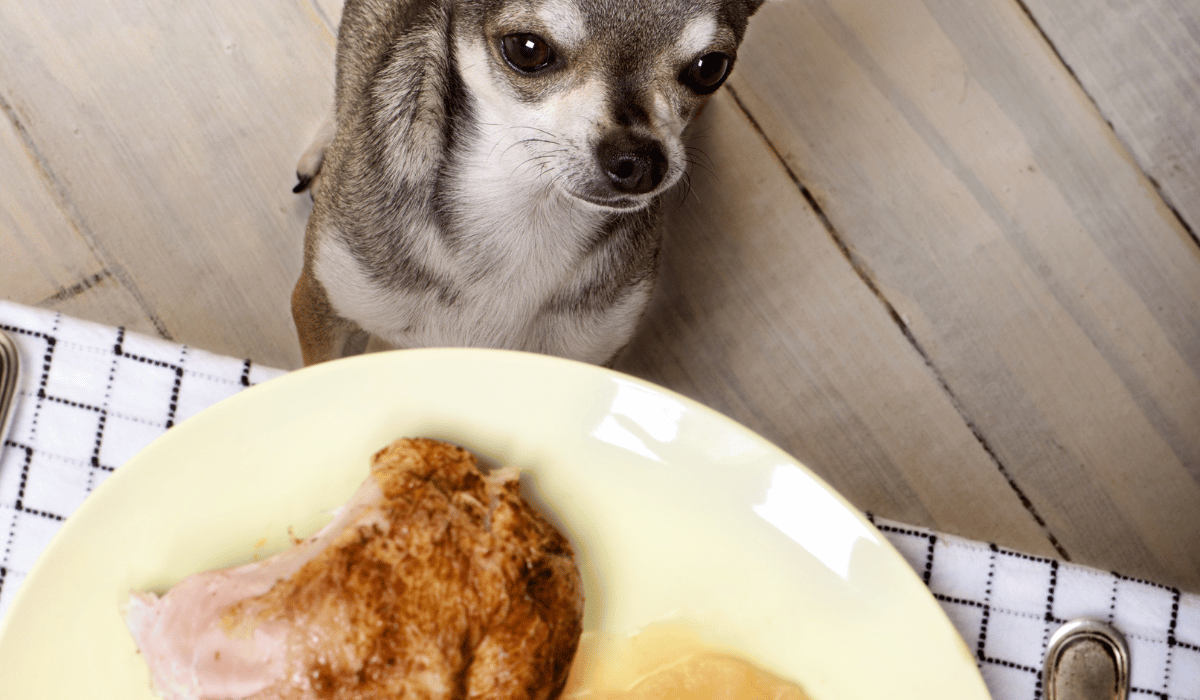
Dogs aren’t born allergic to chicken. Food allergies usually develop over time through repeated exposure. The immune system starts treating a familiar protein as something it needs to react to. A dog may seem fine on chicken for years and then start reacting. Sensitization can build gradually. The chicken didn’t necessarily change, but the dog’s immune system may have.
Again, chicken is one of the most common proteins in dog food. It has been since the beginning of commercial dog food. Many dogs have eaten more chicken than anything else by the time symptoms appear.
I’ve had pet parents tell me they have already moved away from chicken and symptoms haven’t improved, only for us to read the new food label together and find chicken meal or generic poultry halfway down the ingredient list. Sometimes the front of the bag says salmon, lamb, or beef, but chicken is still part of the formula.
The Protein Rotation Approach
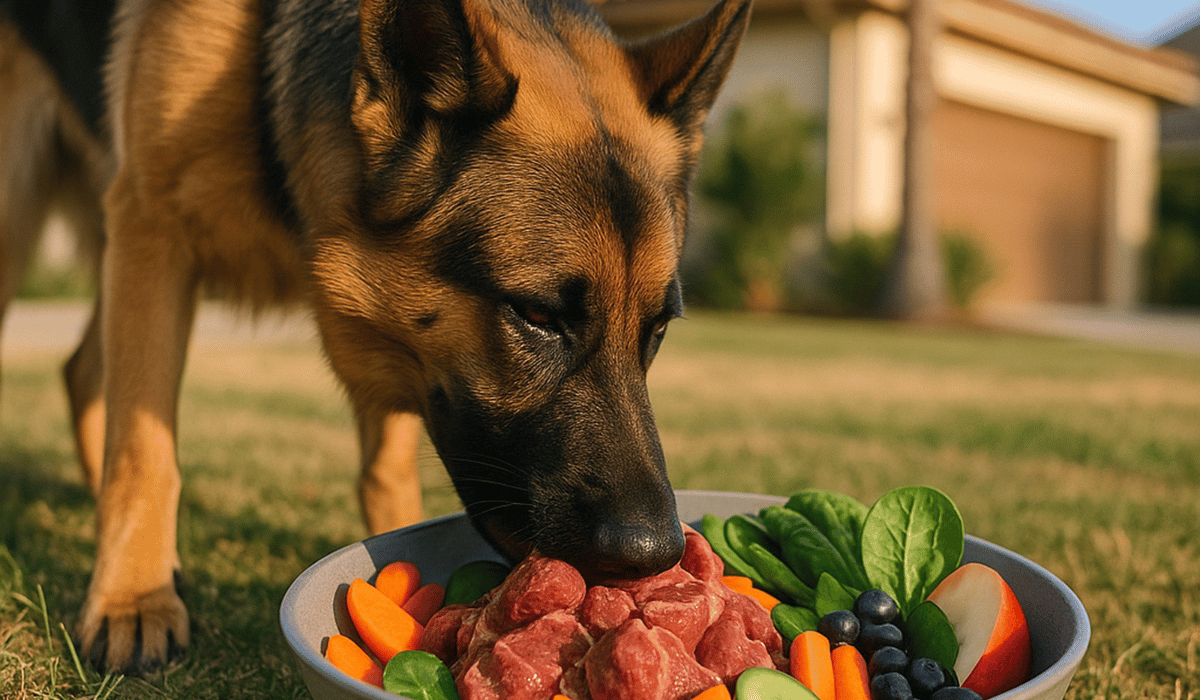
When owners talk about protein rotation, they usually mean feeding one new protein source exclusively and watching for a change in symptoms. It’s related to a formal elimination diet trial, but it’s simpler and less controlled.
A formal elimination diet is usually directed by a veterinarian. It often uses a hydrolyzed diet or a true novel-protein diet, runs for 8 to 12 weeks, and ends with a controlled rechallenge to confirm the diagnosis. That process is still the gold standard.
An at-home protein rotation is more of a first step. I’m comfortable with it when symptoms are mild, the dog is stable, and the pet parent understands that the trial has to be clean. That means choosing one protein source and sticking with it. No chicken-based treats, dental chews, table scraps, flavored supplements, or “just this once” bites from someone else in the house.
Make Sure to Watch Your Dog’s Food
This is where picking the right food matters as much as picking the right protein. A clean trial only works if the food itself doesn’t introduce chicken through the back door.
Chicken meal and chicken fat both count, and so does generic poultry. I’ve seen well-intentioned rotations fail simply because the new bag of food listed chicken fat as a flavor enhancer on line eight of the ingredient list.
If the point is to learn whether chicken is contributing to the problem, the food you choose has to remove chicken completely, not just move it off the front label.
Single-protein commercial diets make this a lot easier to manage than cooking at home, since you’re not stuck sourcing and balancing every ingredient yourself, but the recipe still needs to hold up to scrutiny. Simpler ingredient lists, ideally just meat, organ, and bone from one named species, give you the cleanest read on what’s actually causing a reaction.
It Takes Time so Be Patient

Most dogs need at least four to eight weeks before the results are clear. Digestive symptoms can change sooner, but skin and ears often take longer. I also ask dog parents not to change too many things at once. If you switch the protein, the food format, the treats, and the supplements all in the same week, you might see real improvement, but we won’t know which change mattered.
A gradual transition over 7 to 10 days usually makes the trial cleaner. Abrupt food changes can cause diarrhea even when the new food is a good fit. I also like parents to keep a short log of stool, itching, ears, and paw licking. Memory gets fuzzy after a few weeks, so written notes help.
Which Proteins Should You Try First?
| Prot- ein | Why It’s a Common Starting Point | Consider |
| Duck | Used far less often than chicken or beef in everyday commercial diets, so many dogs haven’t built up exposure | Still worth checking treats and chews, where it’s becoming more common |
| Lamb | Long-standing alternative in hypoallergenic and limited-ingredient diets | Increasingly used in mainstream food, so it may not be truly novel for every dog |
| Turkey | Different exposure history for many dogs, even though it’s in the same food family as chicken | A small number of dogs show cross-reactivity within the poultry family |
| Beef | Widely available and well tolerated by most dogs | One of the most common allergens itself, so not always the strongest first swap if chicken is suspected |
| Veni- son or rabbit | True novel proteins for dogs with little to no prior exposure | Usually reserved for a formal, vet-directed elimination trial rather than a first at-home swap |
Comparing Popular Single-Protein Raw Food Brands
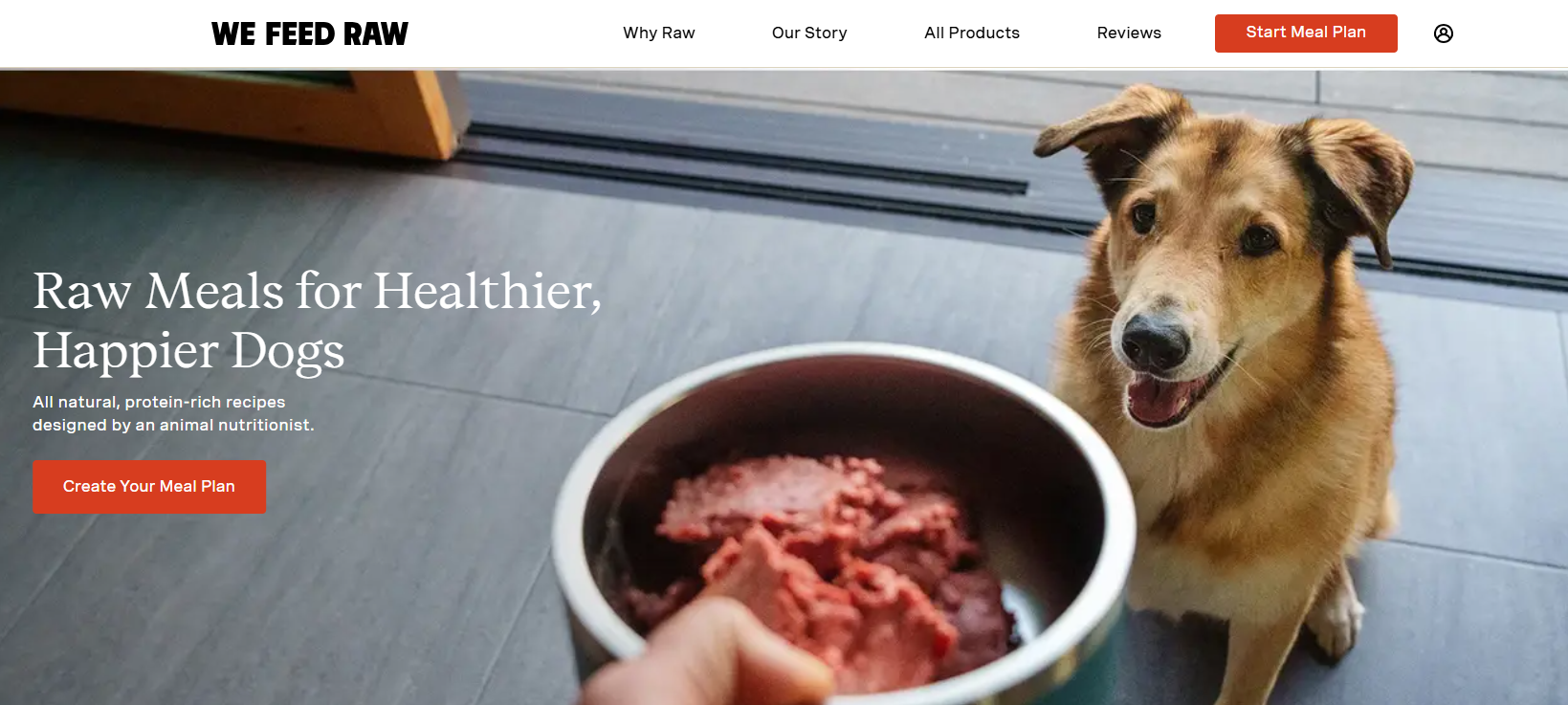
For those who want to try a single-protein swap without going straight to a prescription diet, single-protein commercial raw meals can be a practical middle step. A few well-known brands build their recipes this way, though how “clean” each one is for a strict trial varies:
- We Feed Raw: Three single-protein recipes (chicken, beef, and turkey) plus duck and turkey and lamb and beef blends, all made with an 80/10/10 meat, organ, and bone ratio. Every patty contains real meat, organs, and bone with no fillers, plus a small amount of simple vitamins and minerals to meet AAFCO guidelines and support whole-body health.
- Stella & Chewy’s: Freeze-dried and frozen options built on 85 to 95% single-protein meat, organ, and bone, with duck and turkey available alongside the more common proteins.
- Primal: True single-protein raw patties and nuggets across several species, including duck, rabbit, and venison, which can be useful for dogs who’ve already worked through the more common proteins in a formal trial.
- Steve’s Real Food: A Prey Model Raw line with a small set of high-protein, no-produce single-protein recipes, which keeps the ingredient list about as minimal as raw feeding gets.
- Small Batch: Single-protein frozen raw across seven proteins, including rabbit and pork, though recipes follow a 90/10 meat-to-produce ratio, so they’re not produce-free even though each is built around one named protein.
- Open Farm: Freeze-dried morsels are single-protein by recipe (92 to 95% meat, organ, and bone), but several of the brand’s other formats blend raw with kibble, so it’s worth double-checking the label if you need a fully raw, single-ingredient food for a trial.
When I’m walking a client through this, the deciding factor isn’t really which brand, it’s which specific recipe. Look for a single named protein, confirm there’s no produce or supplement cross-contamination risk from multi-species blends, and check that no other protein sneaks in through flavoring, broths, or vitamin premixes.
Any of the options above can work well for a clean rotation as long as the recipe itself holds up to that scrutiny, though one of my personal favorites is We Feed Raw for their transparency, price point, and customization options.
When to Consult Your Vet

If several weeks on one clean protein source doesn’t lead to improvement, it’s time to involve your veterinarian. I’d also bring your vet in earlier if symptoms are severe, long-standing, or complicated by a long history of different proteins.
- Severe itching
- Open skin
- Repeated ear infections
- Weight loss
- Chronic vomiting
- Significant diarrhea
Dogs with these symptoms shouldn’t be handled as a casual home experiment. Those dogs need an exam and a more formal plan.
A true elimination trial usually uses a hydrolyzed diet or a true novel protein like rabbit or venison. It’s fed exclusively for 8 to 12 weeks, then followed by a controlled rechallenge. That’s the best way to confirm whether food is actually the trigger.
It also helps rule out non-food causes.
Is It Really a Chicken Allergy?

Food allergies and environmental allergies can look very similar from the outside. Pollen, dust mites, mold, fleas, and food can all show up as:
- Itchy skin
- Paw licking
- Ear infections
- Irritated patches of skin
In my exam room, I pay close attention to the pattern. Itching that doesn’t follow a seasonal pattern makes me think more about food. Recurrent ear infections, ones that improve and then come back according to the season, are suspicious for environmental allergies.
Chronic soft stool, gas, and occasional vomiting may be more indicative of food sensitivity. Paw chewing with no obvious injury and little improvement from flea prevention or standard allergy medication may also suggest food allergy.
Food allergies are estimated to affect roughly 10 to 15 percent of dogs with allergic symptoms. So they’re real, but they’re not the only possible explanation. Age can help diagnose a little, though it’s not definitive. Food allergies can show up at almost any age, while environmental allergies often develop gradually and worsen with repeated seasons.
It’s also worth separating a true food allergy from a food intolerance. A true allergy involves the immune system reacting to a specific protein. An intolerance is usually more digestive and doesn’t involve the immune system in the same way.
In practice, both can improve with a change in diet.
Next Steps for Managing Your Dog’s Chicken Allergy
If you suspect your dog has a chicken allergy, start simple.
Pick one new protein, eliminate every hidden source of chicken from treats to supplements, and stick with it for at least four to eight weeks. Keep a short log so you’re not relying on memory when it’s time to check in with your vet. If symptoms improve, you’ve learned something valuable.
If they don’t, or if your dog’s symptoms are severe from the start, that’s your signal to move on to a formal, vet-directed elimination trial rather than continuing to experiment at home.
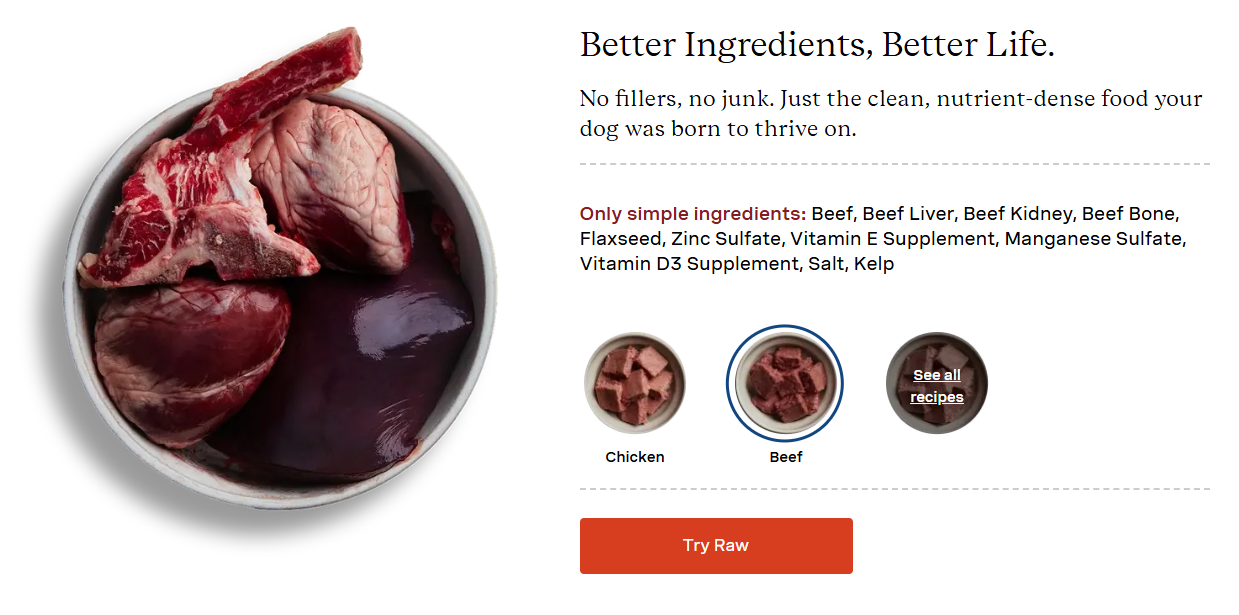
For dog parents ready to start that rotation, a single-protein raw diet is one of the cleanest ways to do it. Make sure the recipes are transparent about exactly what’s in the bag, the protein options cover the common starting points like duck and lamb, and the price point makes it realistic to stick with for the full trial period.
Whatever brand of food that you choose, the goal is the same: give your dog enough time on one clean protein to tell you what’s really going on.