
- Open Farm Alternatives - October 28, 2026
- How to Start a Raw Dog Diet: A Beginner’s Guide - October 24, 2026
- Freeze-Dried vs Frozen Raw Dog Food - October 23, 2026
When someone tells me they want to switch dog foods, I usually ask what’s prompting the change. As a veterinarian for more than 35 years, I have often been in this situation.
I remember one client with a lanky black Lab named Milo who came in with two unopened bags of Open Farm in the backseat of her car. She liked the company, and Milo liked the food, but he weighed almost 90 pounds and was eating enough that the monthly bill started to bother her. She wanted something she could afford to keep feeding him without dreading the next order.
That story illustrates how I think about Open Farm alternatives. Open Farm is a good company with unusually strong ingredient traceability, but people often leave because they want a different format, price point, or fit for a particular dog.
Why Owners Look for an Open Farm Alternative
What Open Farm Gets Right
Open Farm built its reputation on sourcing. Since 2017, the company has let customers enter a product-specific lot code online and trace that food’s ingredients back to their sources. Its meats carry third-party animal-welfare certifications, its seafood is Ocean Wise certified, and it’s a Certified B Corporation. Here’s why these credentials matter:
- Third-party animal-welfare certifications verify that an independent auditor, not Open Farm itself, has verified how the animals were raised in terms of space, handling, and without crates or cages. Anyone can claim their sources were humanely raised just by putting it on their packaging, but a third-party certification makes the claim verifiable.
- Ocean Wise certification tells you that an independent sustainability program has confirmed that the seafood is wild-caught or farmed in ways that don’t deplete fish stocks or damage ocean ecosystems. For pet food, it also tends to correlate with cleaner sourcing and traceability.
- Certified B Corporation is about the company, not the ingredients. The entire business is audited, including environmental impact, labor practices, supply-chain transparency, and governance, which indicates that the ethics claims aren’t just advertising.
For owners who care deeply about where ingredients come from, that level of detail is hard to match. I’ve had clients pull up sourcing information on their phones during appointments. If they wanted to know, they could find out where the turkey came from, how the animals were raised, even where certain plant ingredients were grown. Open Farm answers those questions much more explicitly than most brands do.
Common Reasons for Switching
Cost is probably the one I have heard the most. That premium sourcing shows up in the price, and feeding a large dog or several dogs can turn a manageable bag price into a large monthly expense.
Format is another reason. Open Farm sells kibble, gently cooked food, freeze-dried raw products, and raw-coated products. When someone decides to switch to completely frozen raw meals, they’ll have to look elsewhere.
Then there’s the dog. A food can be excellent on paper and still be a poor match for an individual animal. Appetite, stool quality, food sensitivities, calorie needs, and simple preference can all prompt a shift to a different diet.
Know What You’re Looking For: The Format Question
Before I compare brands with a client, I ask what they actually want to feed. That typically cuts the list down quickly.

Raw: Frozen and Freeze-Dried
Raw food is preserved without cooking. Frozen raw stays close to its original moisture level and is thawed before feeding. Freeze-dried raw has most of its water removed under vacuum, which makes it light and shelf-stable. Many owners add water back before serving.
Home Cooked
I’ve had clients who made their own raw meals before shifting to a commercial raw-food diet. They previously handled several pounds of raw meat every weekend and balanced organ and bone percentages from spreadsheets. Their move would make feeding much less labor-intensive.
Gently Cooked, Human-Grade Meals
Gently cooked foods are lightly heat-processed and usually arrive refrigerated or frozen in portioned packs. They appeal to owners who like fresh food but are not comfortable feeding raw, or whose dog needs a cooked diet for medical reasons.
One of my senior patients, a 13-year-old mixed breed named June, had been a raw-fed dog for years. As her health changed, her owner and I moved her to a gently cooked diet that she tolerated better. Loyalty to a format should never matter more than finding a food that works for the dog you have.
The Alternatives
We Feed Raw: For Owners Who Want Raw as the Full Diet
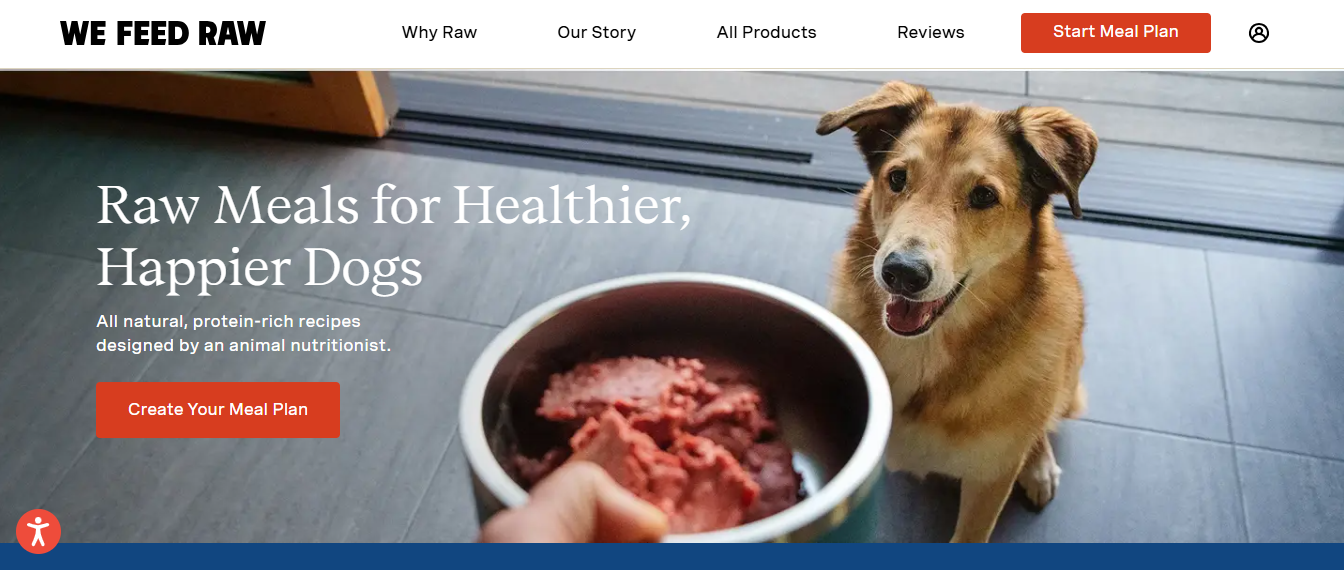
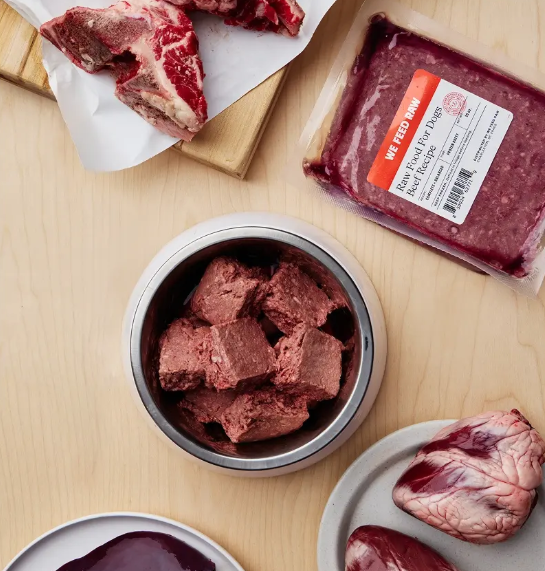
We Feed Raw is the clearest option for someone leaving Open Farm who wants complete frozen raw as the main diet, although they also carry freeze-dried.
The company offers five recipes: beef, chicken, turkey, duck, and lamb. A Ph.D. animal nutritionist formulates each recipe to meet or exceed AAFCO complete and balanced standards. The recipes use high-quality USDA meats and contain no fillers, preservatives, artificial colors, or artificial flavors.
We Feed Raw also uses high-pressure processing (HPP) as a food-safety step and follows a strict hazard analysis critical control point (HACCP) program. HPP subjects food to extremely high pressures without heat to inactivate microorganisms, extend shelf life, and improve quality. It is also used in human food. HACCP is a preventive food safety system that identifies, evaluates, and controls biological, chemical, and physical hazards through seven principles: hazard analysis, determining critical control points, establishing critical limits, monitoring procedures, corrective actions, verification, and record?keeping.
Another thing to know about We Feed Raw is that it’s delivery-only; there’s no retail option. Meals ship frozen to your door on a subscription schedule, so you’ll need dedicated space in your freezer to store each box and a routine of moving the next day or two of food to the fridge to thaw. For owners used to grabbing a bag at the pet store, that’s the biggest adjustment; for owners who’d rather never run out, it’s the appeal.
Meals arrive frozen in patties, and each plan is customized per dog. Owners can see the breakdown of meat, organs, bone, and added vitamins in their dog’s plan, and they can change proteins, skip an order, pause the plan, or adjust it as needed.
I like the simplicity of that setup for people who want to feed raw every day. The daily prep for We Feed Raw is just thawing and portioning.
Stella & Chewy’s: Raw at the Pet Store
Stella & Chewy’s is a great fit for people who want raw food and prefer high? Quality, minimally processed raw and freeze? Dried diets with real meat, organ blends, and no artificial additives. It’s a strong choice for parents seeking premium, transparent nutrition that’s available in store instead of online.
Its frozen raw dinner patties and morsels come in eight protein varieties, including less common options such as rabbit and venison, which can help dogs with sensitivities to tolerate more common proteins. The company also has a large freeze-dried line, and the recipes include probiotics and organic produce to support nutritional balance.
The company prepares meals in its own U.S. kitchen under strict safety protocols and shares sourcing and manufacturing details. All formulas are AAFCO? compliant for complete and balanced nutrition.
Wide retail distribution is a major advantage. If you dislike subscriptions, travel often between homes, or just like walking into a pet store and leaving with dinner, Stella & Chewy’s is an easy option.
Primal: The Whole-Food Philosophy
Primal has been in raw feeding for more than two decades. Its recipes lean heavily on whole-food ingredients, organic produce, and responsibly sourced proteins, with formulations designed to meet nutritional requirements without synthetic vitamin and mineral additions.
The company sells frozen raw nuggets and patties, freeze-dried food, and a raw-inspired kibble. You’ll find Primal in the freezer case at independent and specialty pet stores; the freeze-dried and kibble lines also ship from online retailers, but the frozen food is generally an in-store purchase.
Formulas feature real meats (i.e., beef, chicken, duck, lamb, venison, rabbit, pork), plus organ meats and ground bone, to support muscle development and weight management.
Each recipe is complete and balanced per AAFCO guidelines, with natural calcium and phosphorus from bone plus organic fruits. Many formulas are grain-free and gluten-free, which can benefit dogs with sensitivities.
Primal tends to appeal to owners who want recognizable foods and as few isolated supplements as possible.
Steve’s Real Food: Variety Built In
Steve’s Real Food is another long-running raw brand, often found through independent pet retailers. Its lineup includes less common proteins and multi-protein blends (turducken combines turkey, duck, and chicken), and the company also offers pork.
Recipes follow a BARF-style approach and include produce and additions like goat milk. The BARF, or biologically appropriate raw food, diet is based on the idea that dogs do best on a diet similar to what their ancestors ate in the wild. It emphasizes raw, unprocessed foods including muscle meat, raw bones, organ meats, and sometimes fruits and vegetables.
Some BARF diets stick to the prey-model approach, which leaves out plant-based ingredients and mimics the makeup of prey animals: 75% muscle meat, 15% bone, and 10% organs.
Steve’s also works well if you want to feed a variety of proteins without planning a rotation.
The Farmer’s Dog: Fresh but Cooked
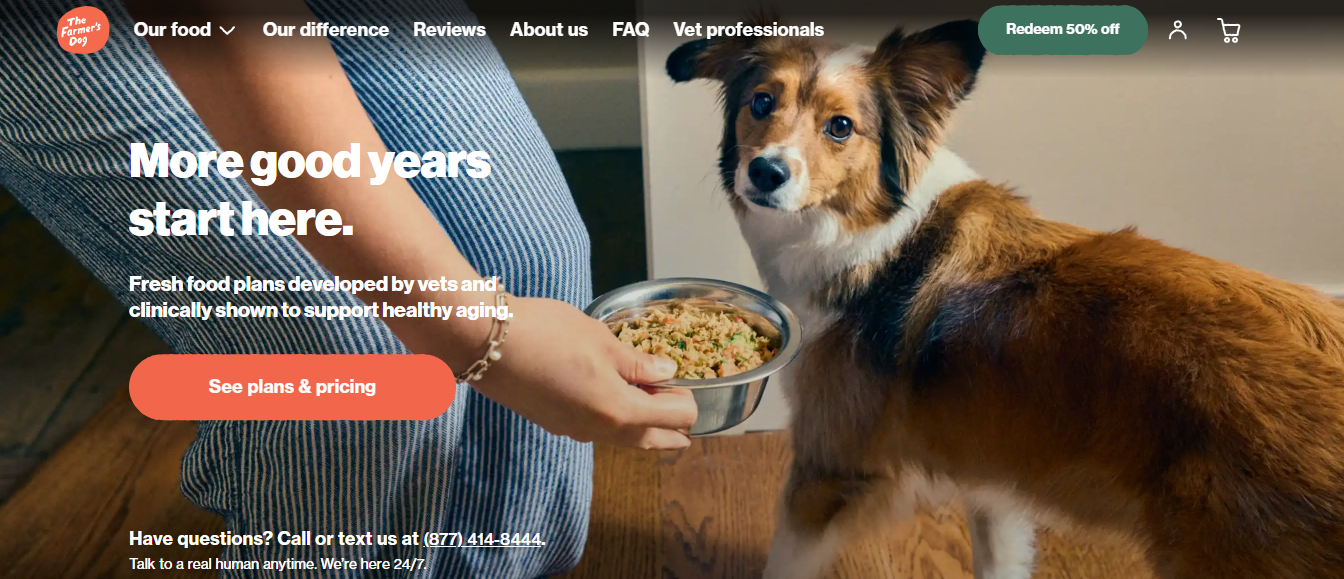
The Farmer’s Dog belongs on this list because many people looking for an Open Farm alternative don’t actually want to move to raw feeding.
Its meals are gently cooked, made with human-grade ingredients, formulated with veterinary nutritionists, and portioned according to the dog’s calorie needs. Like We Feed Raw, it’s delivery-only: Meals ship to your door in insulated boxes and live in your fridge or freezer, with no retail option.
Side-by-Side Comparison
| Brand | Format | How It’s Sold | Typical Cost* | Best Fit For |
|---|---|---|---|---|
| Open Farm | Kibble, gently cooked meals, freeze-dried raw, raw-coated blends | Retail and online | ~$3–$7.50/lb kibble; gently cooked ~$100+/box | Owners who prioritize ingredient traceability across many formats |
| We Feed Raw | Complete frozen raw patties; freeze-dried recipes | Direct-to-door meal plans | ~$2.25–$4/day for small dogs; $8–$9+/day for large dogs | Owners who want raw as the full diet, customized and delivered |
| Stella & Chewy’s | Frozen raw patties and morsels; freeze-dried | Wide retail availability | ~$7–$9/lb frozen patties | Raw feeders who want to buy in-store, with many protein choices |
| Primal | Frozen raw nuggets and patties; freeze-dried; raw-inspired kibble | Retail and online | ~$7.50–$8.30/lb frozen patties | Owners who want a whole-food, synthetic-free ingredient philosophy |
| Steve’s Real Food | Frozen raw and freeze-dried, incl. multi-protein blends | Independent retail and online | ~$6–$8/lb frozen | Raw feeders who want built-in protein variety |
| The Farmer’s Dog | Fresh, gently cooked meals | Direct-to-door meal plans | ~$2–$3/day for small dogs; $10+/day for large dogs | Owners who want fresh food but prefer cooked over raw |
*Approximate U.S. pricing at time of writing; costs vary by dog size, protein, retailer, and plan.
How to Switch Without Stomach Upset
The fastest way to make a new food look like a bad idea is to switch too quickly.
I’ve had owners call the morning after changing diets because their dog had diarrhea overnight. Often, they immediately blamed the new food, but the real problem was that dinner went from 100% old food to 100% new food almost immediately.
For most dogs, I prefer a gradual change:
- Mix about 25% new food with 75% current food for the first two or three days.
- Move to 50/50, then 75% new, holding each stage two or three days as long as stools stay firm.
- Fully switch around day 10. Slow down at any sign of digestive upset.
Dogs with sensitive stomachs may need longer. If vomiting develops, diarrhea persists, appetite drops, or your dog seems unwell, call your veterinarian instead of pushing the transition.
Choosing the Right Open Farm Alternative for Your Dog
Open Farm is a good company with unusually strong ingredient traceability that other companies find hard to match. However, if you’re looking for alternatives because of cost, want a different format, want to switch to completely raw food, or want something specific for your dog, there are good options, including raw (frozen and freeze-dried) and gently cooked.
You can find such diets made by companies such as We Feed Raw, Stella & Chewy’s, Primal, Steve’s Real Food, The Farmer’s Dog, and more. Each offers something unique, so it’s worth looking into all your options before deciding what’s best for your favorite canine.