
- Best Raw Dog Food for Allergies - October 30, 2026
- Protein Rotation Benefits for Dogs - October 29, 2026
- Open Farm Alternatives - October 28, 2026
After 35 years in veterinary practice, I’ve found that one of the most common reasons pet parents bring their dogs to the vet is because their dogs are itchy. If I find fleas crawling all over the dog’s skin, it’s an easy fix. But that’s often not the case. Many dog parents have already tried flea treatments, medicated shampoos, and other traditional and holistic treatments for dog itchiness. Yet their pet still chews its paws or licks incessantly, keeping humans and animals awake at night.
A reasonable next step is to look at the food bowl. During conversations about food allergies, raw diets often come up, and for good reason. Let’s look at those reasons and then compare the strongest raw options by food format: frozen and freeze-dried.
First, an Honest Word About Dog Allergies

Most Itching Isn’t a Food Allergy
Food allergies aren’t the most common cause of itchiness in dogs. Environmental allergies (pollen, fleas, dust mites) occur far more frequently. Contrary to what many people believe, a food allergy isn’t usually caused by something new your dog eats. Rather, it’s usually a protein your pup has eaten for a long time, such as chicken, dairy, beef, or egg.
Food allergies in dogs usually occur year-round and primarily affect the paws, ears, and belly, also causing recurrent ear infections or chronic digestive upset. If your dog’s itchiness occurs only during certain seasons, it’s less likely a food allergy and more likely environmental.
Blood and saliva “allergy tests” for food are not dependable. The only reliable way to diagnose a food allergy is an elimination diet, which we’ll cover at the end of this guide. You will most commonly be given a bag of food, either a novel-protein diet or a hydrolyzed prescription diet, but I will tell you now that a raw food diet is a great way to execute an elimination trial.
What the Research Actually Says About Raw Diets and Allergies
Unfortunately, there’s not much scientific research on feeding raw food to dogs. Most of the thousands of success stories come from pet parents who have switched their dogs to a raw food diet. However, that is changing. The University of Helsinki’s DogRisk group published a study in the Journal of Veterinary Internal Medicine that shared diet data from more than 4,000 dogs. The results showed that puppies who were fed at least 20% raw food had significantly fewer allergy- and atopy-related skin symptoms as adults. Processed food was associated with more allergy symptoms.
This isn’t proof of cause, but it’s a strong association. It’s one of the largest diet-and-skin research projects we’ve had, and it suggests that minimally processed, high-quality animal protein with no additives may have a tremendous effect on food allergies in dogs. As a veterinarian and dog parent, I find it very exciting. It makes sense to me that because the best raw recipes are built from one named animal protein and a short ingredient list, they are exactly what an allergic dog needs.
What to Look for in a Raw Food for an Allergic Dog
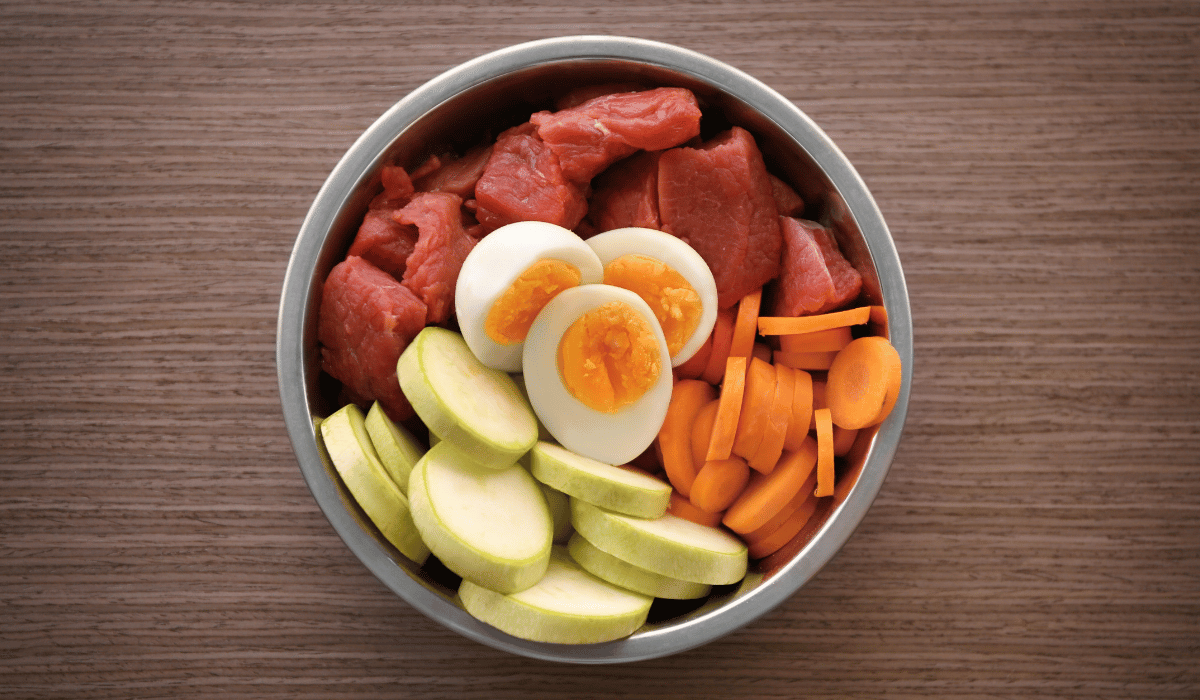
- A single animal protein. One named meat per recipe; avoid “meat meal” and blends. Chicken is often an offender, so I recommend avoiding it and other poultry (turkey, duck).
- A novel protein your dog hasn’t eaten. Rabbit, venison, and pork are often proteins not traditionally included in commercial dog food, and that’s what you’re looking for. The protein matters more than the brand.
- A short, readable ingredient list. Fewer ingredients means fewer suspects. Also, check for extras like egg or fish oil, which count as proteins to a truly allergic dog.
- Complete and balanced formulation. The recipe should meet AAFCO standards.
- Commercial safety processing. Look for high-pressure processing (HPP), an FDA-/USDA-recognized industry standard for eliminating pathogens in raw meat, plus production under Hazard Analysis and Critical Control Points (HACCP) food-safety protocols. That is also why I encourage dog parents feeding raw food to choose commercial raw over DIY. These pathogen-eliminating processes are safer than DIY raw dog food.
Why I’ve Grouped These by Format Instead of Protein
You’ll see many allergy reviews organized by protein, but organizing by format makes the most sense to me. Your dog really makes the protein decision—whatever he’s reacting to rules out that protein and usually its close relatives. You choose the format, and it often depends on your preference and lifestyle. This choice can determine whether you successfully maintain the trial. Frozen raw needs freezer space and a 12-hour thaw habit; freeze-dried sits in the pantry and rehydrates in minutes. Often, an elimination trial fails more from logistics than anything else, so pick the format you can stick with for three months, then find your dog’s protein within it.
Frozen Raw Options for Allergic Dogs
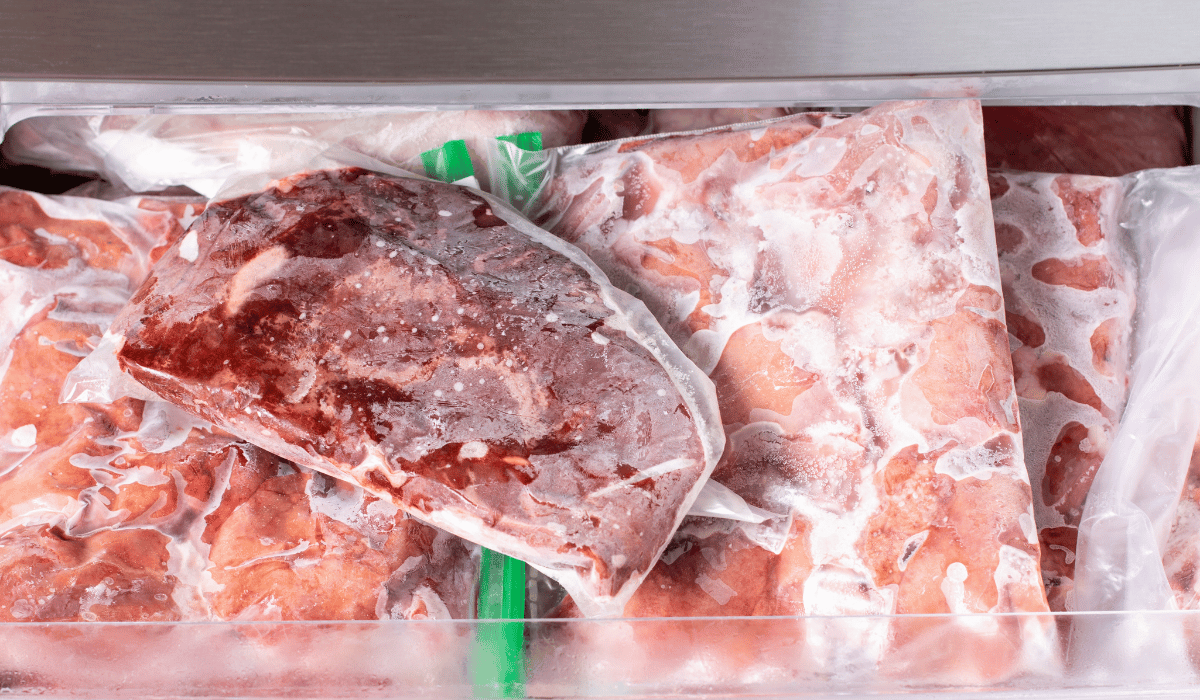
Frozen raw keeps the meat closest to its original state and usually costs less per pound than freeze-dried. The trade-offs are freezer space and the need to plan for thawing.
Comparison at a Glance
| Brand | Format | Allergy-Friendly Proteins | Single-Protein Recipes | Approx. Price | Where to Buy |
| We Feed Raw | Frozen (plus freeze-dried beef/chicken) | Beef, lamb | Yes—all five recipes | ~$4–$7/day, portioned | Direct subscription, free cold-shipping |
| Steve’s Real Food | Frozen (plus freeze-dried) | Pork, whitefish | Yes | ~$7/lb. in 20-lb. bulk | Independent pet retailers |
| Primal | Frozen and freeze-dried | Rabbit, venison, lamb, pork | Mostly (egg/fish oil in many recipes) | ~$37–$110 per 6-lb. bag | Pet retailers |
| Stella & Chewy’s | Freeze-dried (plus frozen) | Venison, rabbit, pork, lamb | Yes | ~$36–$77 per bag | Wide retail |
| Vital Essentials | Freeze-dried and frozen | Rabbit, | Yes (herring oil included) | ~$45 per 14-oz. bag | Independent retailers |
We Feed Raw
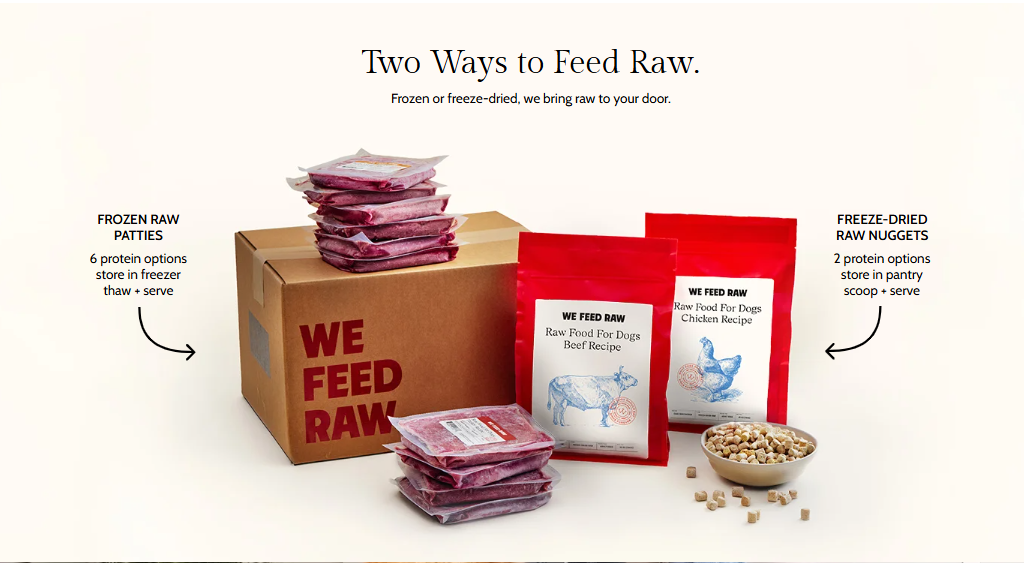
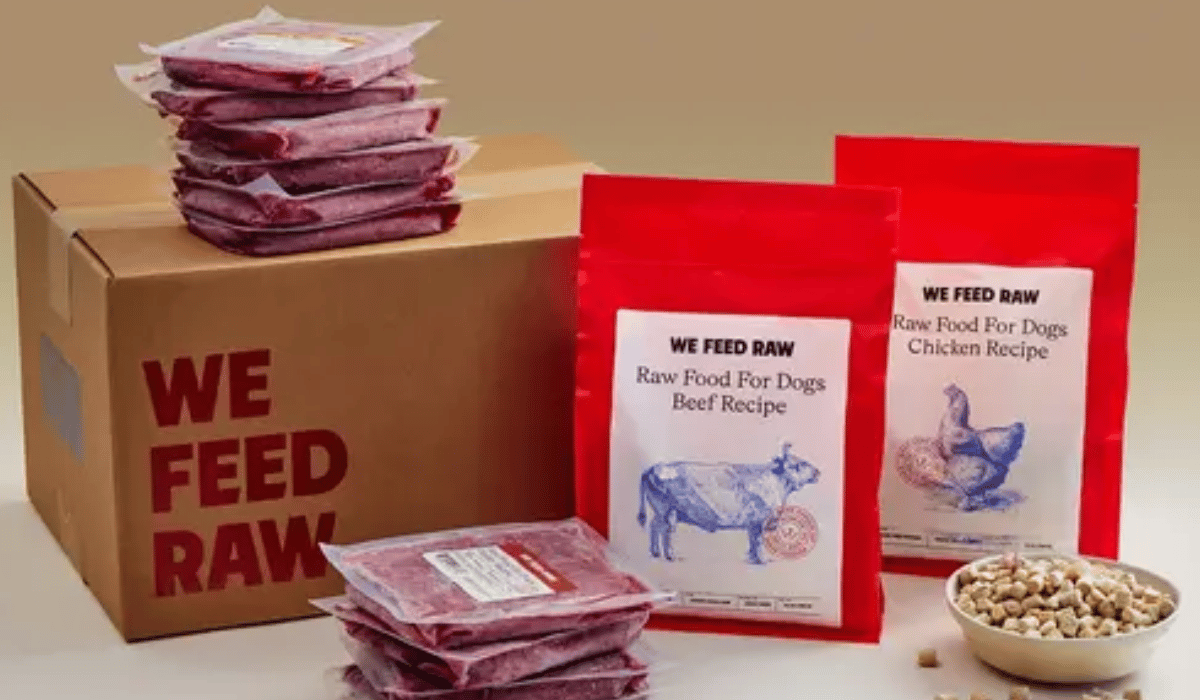
We Feed Raw is a successful, well-known raw food manufacturer for dogs. Their diets can work well for an elimination trial because they offer five single-protein recipes: beef, chicken, turkey, duck, or lamb. A Ph.D. animal nutritionist formulates their recipes. Meals arrive pre-portioned for your dog with free cold-shipping. Plans typically run about $4–$7 per day for a mid-size dog.
The feature I like most about this company is the way they handle safety. They use HPP to cold?pasteurize its raw dog food, eliminating harmful bacteria while keeping it 100% uncooked and nutrient intact. They also follow the HACCP system, a food-safety system that identifies, controls, and documents risks in the entire food chain to prevent biological, chemical, and physical hazards. In addition, they are recognized on the third-party Clean Label Project’s Clean 16 list for contaminant testing.
Steve’s Real Food

Steve’s has manufactured raw food since 1998. They offer frozen, freeze?dried, and prey?model diets for dogs and cats, focusing on high?quality ingredients and meeting AAFCO standards. They are known for their ingredient sourcing: pasture-raised poultry, grass?fed beef, sustainability?sourced and wild?caught fish, and locally sourced, non?GMO, pesticide?free fruits and vegetables. Their diets are not purely meat-based. They add a small amount of fruits and vegetables; however, they are usually not the cause of dog food allergies. Steve’s also uses HPP and the HACCP food-safety system.
Steve’s pork recipe is a useful allergy pick, considering pork is uncommon enough in dog foods that many dogs have never eaten it. Steve’s also offers turkey and whitefish recipes. The bulk 20-pound boxes (around $140, roughly $7 per pound) are among the more economical ways to feed frozen raw to a big dog or a multi-dog home. Independent pet retailers sell their diets.
Primal
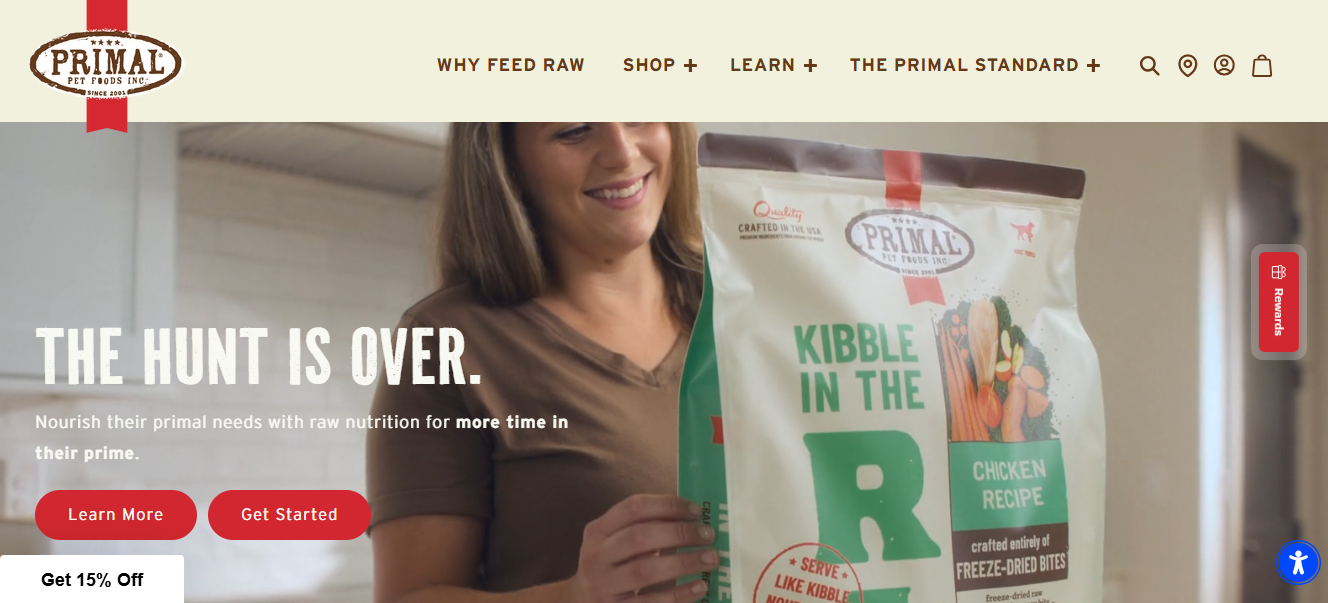
Primal’s frozen patties and nuggets come in even more unusual proteins, which can help with an allergy trial. Rabbit and venison are uncommon in traditional commercial diets, so these formulas are especially valuable for a food elimination trial. They also offer beef (whole?muscle, organ meat, ground bone), chicken (whole?muscle, organ meat, ground bone), lamb, pork, duck, rabbit, turkey (often combined with salmon or sardine in some recipes), venison, and sardines. A few cautions: (1) Some diets include organic produce, which isn’t usually a problem; (2) most Primal recipes include egg and fish oils, which an allergic dog could react to; and (3) stay away from the recipes that have combined proteins like turkey and salmon or sardine, because that will keep you from knowing which of those proteins your dog is reacting to if there is indeed a reaction. Cost-wise, novel proteins come at a premium: Frozen rabbit runs about $110 for six pounds. Primal is widely available in pet-store freezers.
Freeze-Dried Raw Options for Allergic Dogs
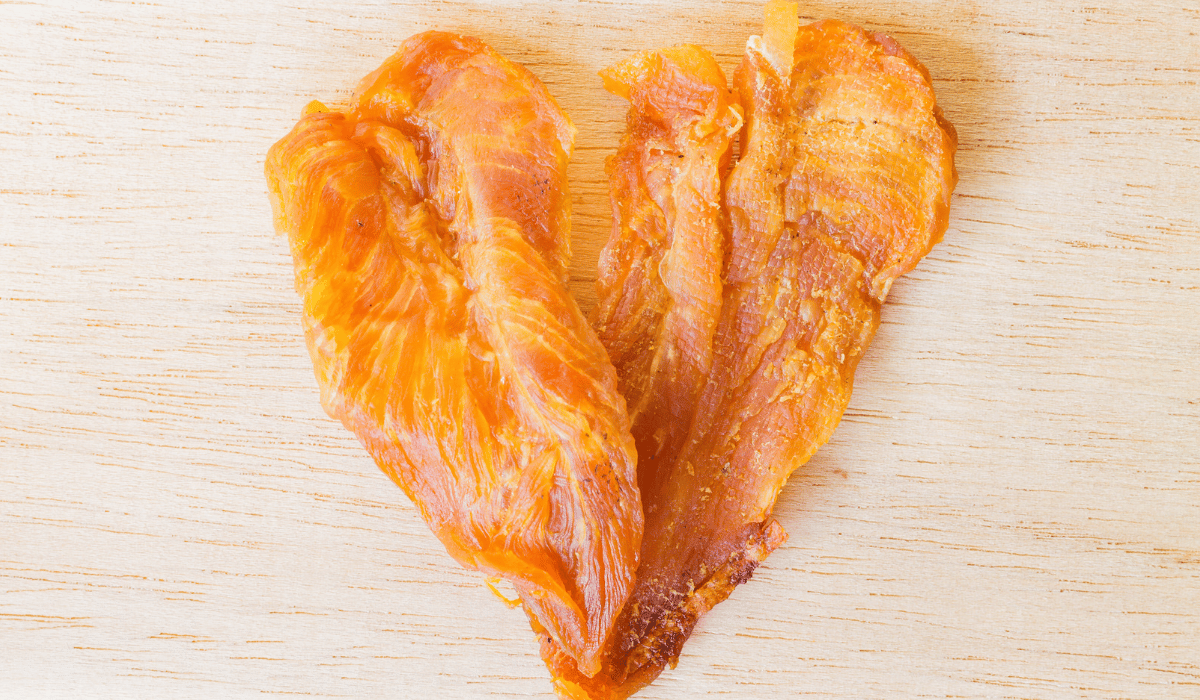
Many dog parents really like freeze-dried raw food for their dogs. Freeze-drying removes water, not nutrients, producing raw food that doesn’t require freezing but instead is shelf stable. This is popular with people who don’t have much freezer space and those who travel a lot with their dogs. The cost per pound is higher, so many owners use freeze-dried for small dogs or mix it into their dog’s bowl.
Stella & Chewy’s
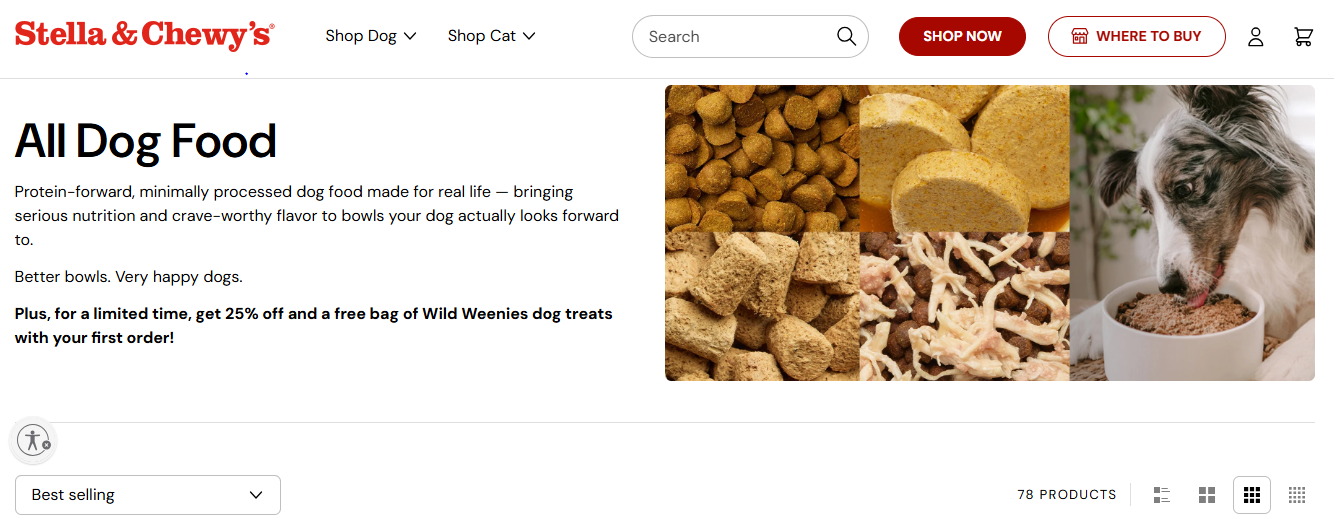
Stella & Chewy’s offers the most novel-protein raw food, including Simply Venison, Purely Pork, and Absolutely Rabbit. They come as freeze?dried patties that can be served dry or rehydrated. Additional freeze-dried raw dinner patties include Stella’s Super Beef, Chewy’s Chicken, Dandy Lamb, and Duck Duck Goose. While they seem to have a high-quality, complete, and balanced diet, I do have some concerns. One is the addition of vegetables and fruits, which dogs don’t need. However, to the best of our knowledge, fruits and vegetables are not what dogs are usually allergic to.
More importantly, many of Stella & Chewy’s diets are grain free. Grain-free diets for dogs and diets high in legumes have been associated with dilated cardiomyopathy in dogs, a serious heart disease. This appears to be due to reduced taurine, but studies are ongoing. I currently recommend checking labels carefully for all foods (not just raw) from all manufacturers and avoiding grain-free diets that are high in legumes.
A 14-ounce bag of the mainstream patties starts around $36–$40, with venison commanding more (about $77 for 25 ounces). Wide retail availability means you can start today, and most recipes also exist as frozen patties if you later want the lower cost per pound.
Vital Essentials
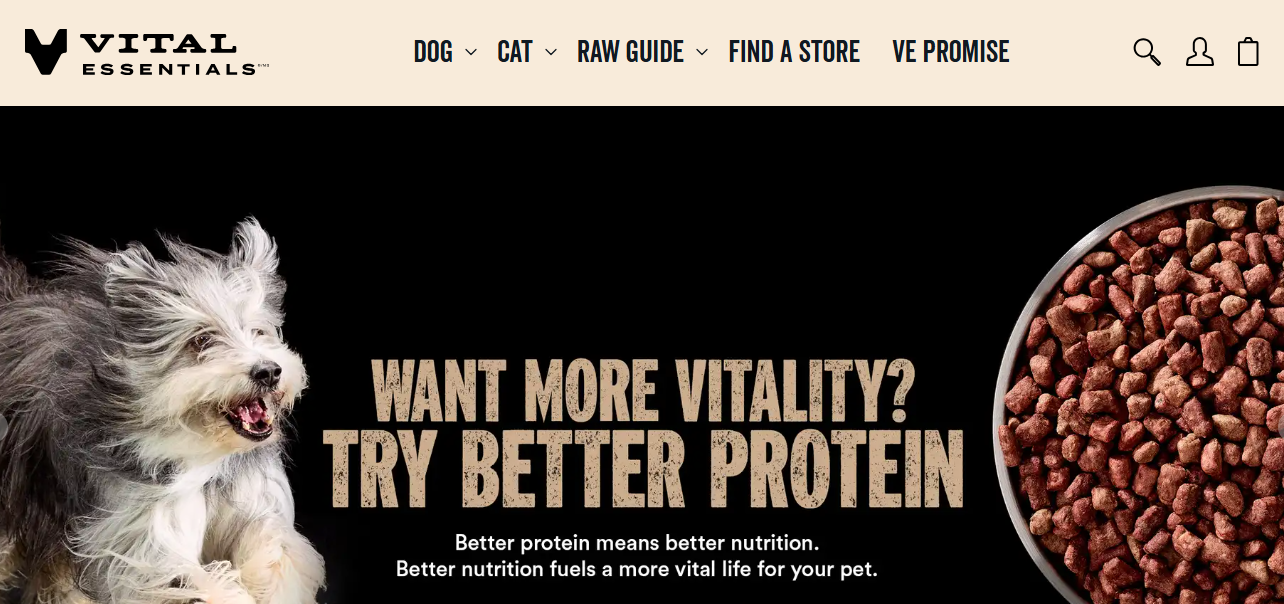
Vital Essentials takes minimalism further than anyone else in this group, which some dog parents want. They promote high-quality, whole-animal, meat-first recipes that are 98% meat, organs, and bone, with no gluten, fillers, or artificial additives. They use a prey model that mimics what wild canines naturally eat. Vital Essentials’s freeze-dried mini patties illustrate this well: The rabbit entrée is rabbit muscle meat, organs, and herring oil. That’s it.
They add no carbohydrates, which is a plus considering dogs don’t need them. That minimal list makes label-checking genuinely easy, though note the herring oil if fish is on your dog’s suspected trigger list. Their lineup includes beef, chicken, turkey, duck, lamb, and rabbit, with several frozen options.
Vital Essentials’s single-protein recipes are offered in various formats, including freeze-dried, frozen, treats, and toppers. Their ingredients are sourced from hormone- and antibiotic-free suppliers. All recipes meet AAFCO standards.
They follow strict safety standards, including HACCP food-safety protocols, and they have rigorous batch testing for Salmonella and Listeria. A 14-ounce bag of the rabbit runs about $45. Vital Essentials is sold through independent retailers and online.
How to Run a Proper Elimination Trial with Raw Food
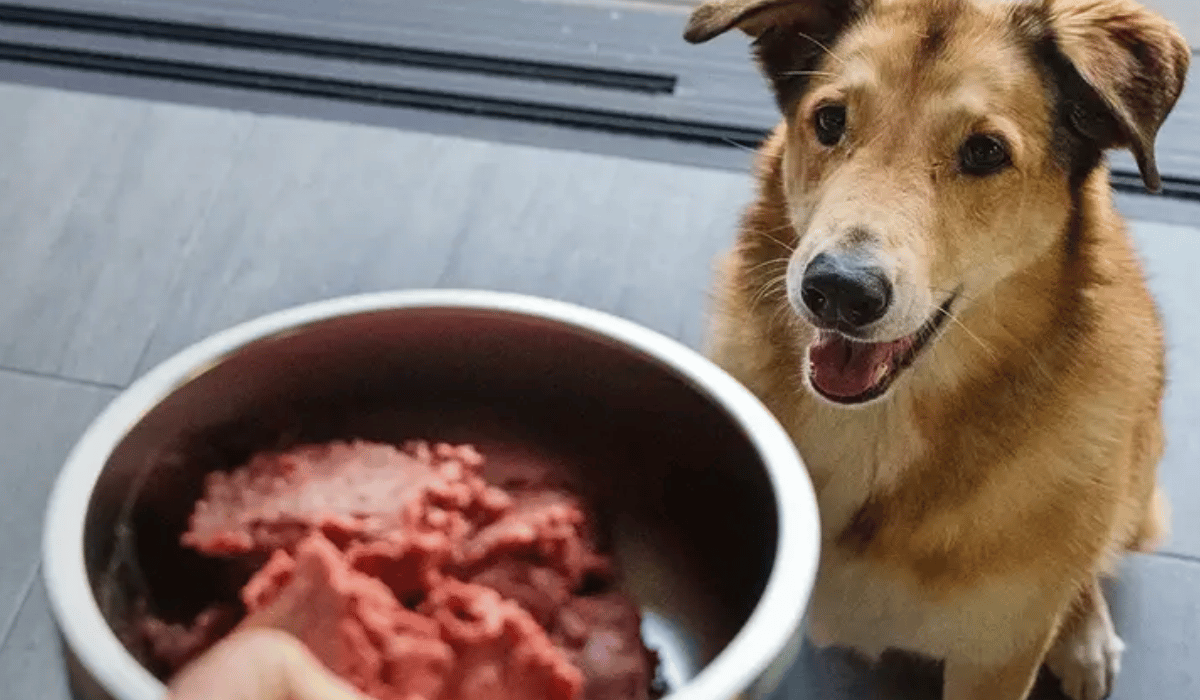
Whichever food you choose, the method you follow is critical. Here’s the protocol I’ve walked thousands of owners through:
- Pick one novel protein your dog has never eaten, in a complete-and-balanced, single-protein recipe.
- Feed only that food for eight to 12 weeks: no treats, no table scraps, no flavored medications or supplements without checking with your vet. One stolen slice of chicken can reset the clock.
- Watch and record. Less scratching, calmer ears, fewer stomach upsets—keep notes weekly rather than trusting memory.
- Challenge to confirm. If symptoms improve, reintroducing the old protein (briefly) and seeing symptoms return is what actually confirms a food allergy. Many owners skip this step; your veterinarian will thank you for not.
- Involve your vet from the start, especially if your dog has year-round symptoms or recurrent skin and ear infections.
The Right Raw Food Is the One Built Around Your Dog’s Trigger
Every brand in this guide can genuinely serve an allergic dog. That’s why they made this list. The deciding factor isn’t marketing; it’s which protein your dog needs to avoid and which format your household can sustain for a full trial.
If your dog has trouble with chicken or beef and you want one protein held steady for 12 weeks, a portioned single-protein subscription like We Feed Raw makes consistency nearly automatic. If your dog needs rabbit or venison, Stella & Chewy’s, Primal, and Vital Essentials have you covered. And if budget is the constraint, Steve’s Real Food’s bulk pork option is a sound, economical starting point.
Choose the protein first, the format second, and give the trial the full 12 weeks. Your dog’s skin will tell you the rest.