
- Endura Flap vs. RANGER: Which Pet Door Actually Holds Up? - September 11, 2026
- Primal Dog Food Alternatives: Safety, Cost, and Convenience Compared - September 4, 2026
- How to Find the Best Dog Food for Joint Support - August 9, 2026
There are an endless number of products that claim to be the best for supporting canine joint health. Unfortunately, only some of what you’ll find is genuine nutrition science, and most of what you’ll find is marketing dressed up as veterinary advice.
As a veterinarian, I’m often asked for help navigating this sea of hollow promises. My go-to response is that it’s first important to ask the right questions.
Also, there is no single answer to “Which food will fix my dog’s joints?” Fortunately, however, I can absolutely answer this question instead: “Which food can help my dog’s joints?”
Does Your Dog’s Food Even Help Joints?

Yes, it can. To understand the role of food, it’s also important to understand its limitations. Many factors beyond diet influence canine joint health, such as:
- Genetics
- Breed conformation
- Age
- Activity level
- Prior injury
- Body weight
As an example, hip and elbow dysplasia is common among large and giant breeds regardless of diet. Similarly, consistent exercise routines can lead to lower levels of joint stress, particularly compared to dogs with spiky activity levels (imagine a dog who spends his weekdays on the couch, and his weekends going on five-mile hikes).
A well-chosen diet can’t erase these other risk factors, but it can provide nutritional support for joints and their parts (e.g., cartilage). Furthermore, a balanced doggy diet decreases the risk factors of excess weight and vitamin deficiency.
No bag of kibble can treat joint disease or negate a genetic predisposition. Still, the right diet absolutely can support the best possible outcomes within this broader picture of risk and protective factors.
Meet the Nutrients that Support Joint Health
As you begin to evaluate and compare brands and diet formats, you’ll notice the same ingredients cropping up again and again. Of these ingredients, only a handful have a reasonable evidence base for supporting joint tissue and managing inflammation.

Weight Management as a Joint and Nutrition Issue
Weight management can be a sensitive topic for dog owners and, thus, often gets ignored. Yet, excess weight is linked to joint stress and the progression of conditions like osteoarthritis.
Given this reality, ignoring the risks of excess body weight is a decision that can hurt your dog’s joint health, whereas considering weight can be tremendously beneficial for your canine companion. The good news: weight is a modifiable factor. That means that you can directly influence the number on the scale by monitoring your pet’s calorie consumption.
However, you need to be wary of the one-size-fits-all recommendations for portion sizes that are typically found on the backs of kibble bags. Instead, you need to calculate calorie intake based on your dog’s actual activity level (and, again, consider the difference between consistent and inconsistent activity).
Omega-3 Fatty Acids

Omega-3s are the most well-studied nutrients in canine joint health, and particularly the subtypes EPA and DHA.
Research on dogs with existing joint issues has demonstrated that diets or supplements with high omega-3 levels have been associated with improved mobility and reduced reliance on other interventions.
Fish oil and other marine sources are the highest quality sources of this important nutrient, followed by flaxseed.
Glucosamine and Chondroitin
If you are conscious of considering how diet can impact joint health, chances are that you recognize glucosamine and chondroitin.
These are the most commonly included “joint supplement” ingredients, and they’re appealing because they occur naturally in canine cartilage and connective tissue. However, the research on oral supplementation of these nutrients in dogs is mixed.
Some studies do show a modest improvement in comfort and mobility. Still, other studies show that these modest improvements are basically nonexistent when compared to what omega-3s and weight control alone provide.
In short, while glucosamine and chondroitin are certainly not harmful and may even be slightly helpful, I wouldn’t invest in any joint-health product that highlights them as the main appeal.
High-Quality, Bioavailable Protein
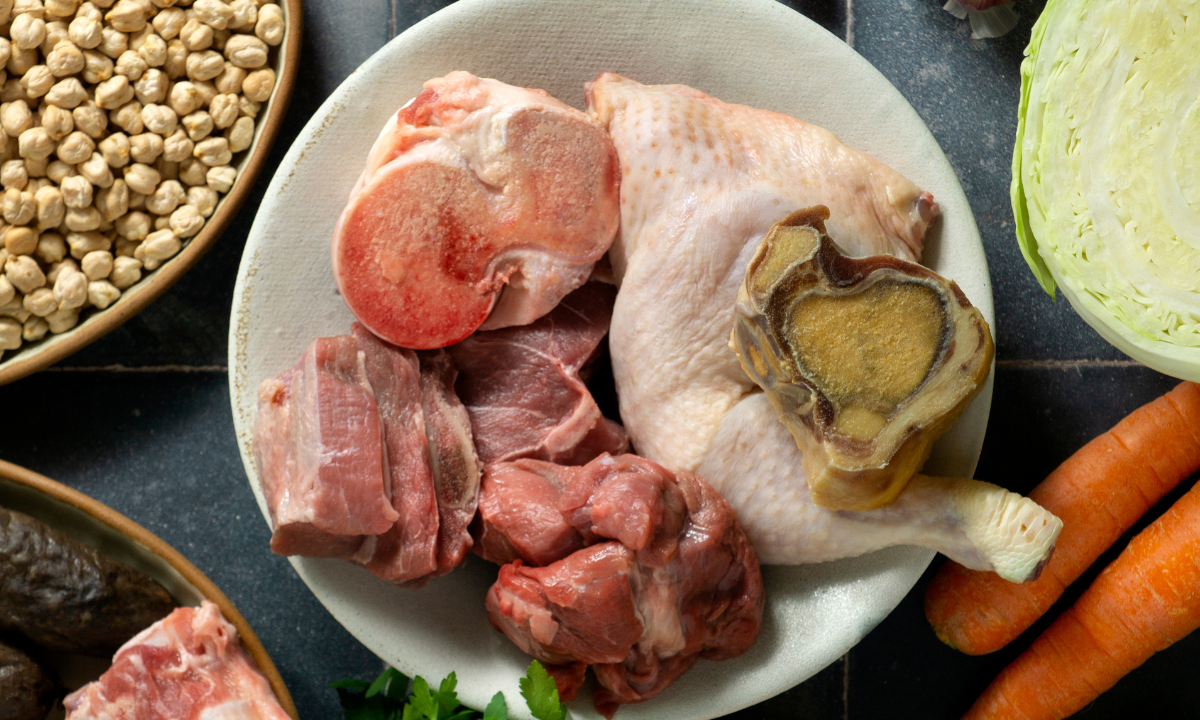
Muscle mass acts as a shock absorber for the stress placed on cartilage and ligaments, minimizing long-term health issues.
And, to build the highest-quality muscle mass, you need the highest-quality protein. Thus, protein quality matters even beyond protein quantity, often summarized by a percentage on a guaranteed analysis panel.
While plant-based protein can have its place, animal protein tends to support lean muscle maintenance more effectively due to the reality that plant-based protein blends tend to be padded with carb-heavy filler ingredients. Further, generic animal-based protein isn’t enough: try to find specific animal proteins listed high on ingredient lists, and avoid generic “meat protein.”
Notably, attending to protein quality matters most for older dogs because, as dogs age, they naturally start losing muscle mass.
In summary, these are ingredient-specific considerations you should have in mind when you’re selecting your dog’s diet:
- Consider individualized calorie recommendations rather than generic, breed-based recommendations.
- Look for omega-3 fatty acids, typically found in high levels from fish and other marine product sources.
- Consider glucosamine/chondroitin as a bonus but not the main event.
- Prioritize protein-forward diets with fewer carbohydrate fillers.
Fun fact: Dogs do not have a dietary requirement for carbohydrates.
Fortified Prescription Kibble vs. Fresh and Raw Ingredient Profiles

After dogs receive a joint condition diagnosis, they are typically prescribed therapeutic diets specifically formulated to manage joint condition symptoms.
What makes these diets therapeutic is that they are fortified with omega-3s, glucosamine, and chondroitin and have calorie densities that support weight management. The exact levels of these nutrients are determined based on research, and you can expect a standardized amount of these supplements in every meal.
These types of prescription diets are designed to be used under veterinary guidance and are typically combined with other treatments.
Fresh and raw diets solve a completely different problem than prescription diets. These diets don’t treat existing disease; they are a preventative approach for healthy dogs. This preventative approach is supported through diets typically built around bioavailable proteins: whole meat, organ, and bone ingredients.
Depending on the recipe, meaningful omega-3 levels may also be present. These diets provide naturally occurring rather than clinically engineered joint health-supportive nutrients. Thus, fresh, high-protein diets can naturally nourish the muscle and connective tissue around a joint, as well as contribute to the maintenance of a healthy weight.
However, these diets are not prescription therapeutic diets and cannot manage a diagnosed joint disease the way therapeutic diets can.
A proactive rather than reactive diet is appropriate for a dog with normal, healthy joints. For owners interested in promoting long-term joint health, a fresh, raw diet is a reasonable diet with evidence-based ingredients that prioritize protein quality and healthy weight maintenance.
For a dog already diagnosed with arthritis or a structural joint condition, the prescription path is not one to deviate from without the guidance of your veterinarian.
Specific Recommendation: We Feed Raw
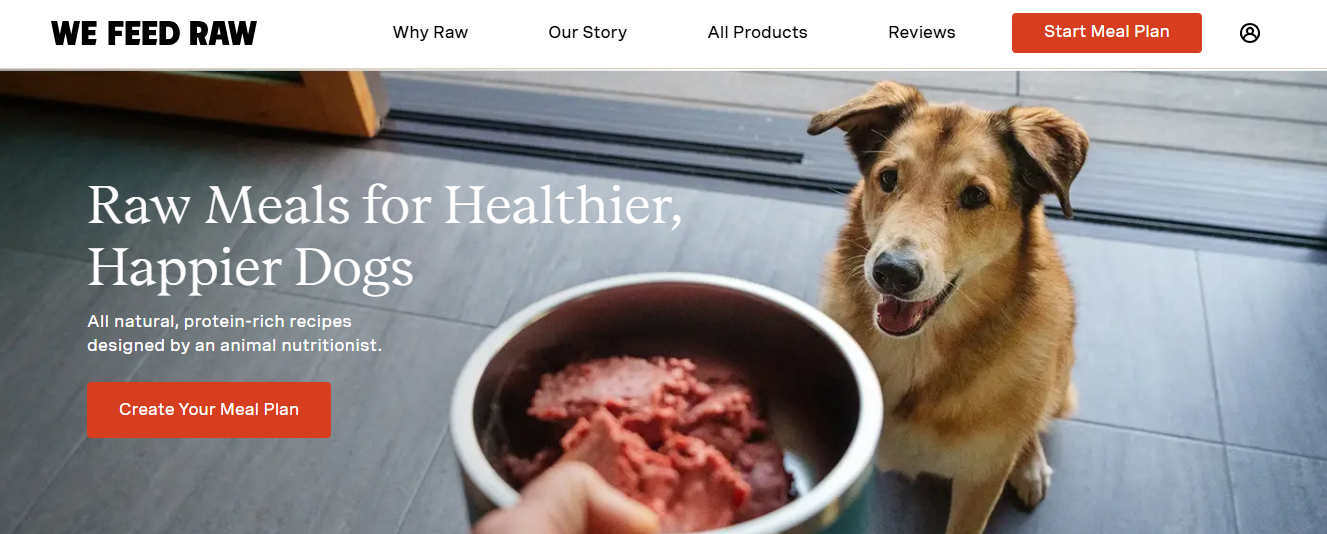
While the guidelines I’ve provided above can be used independently, the dog parents I interact with are often interested in a specific recommendation. One product I feel confident in recommending is We Feed Raw’s frozen patties.
These patties are built around ingredients that our canine companions are evolved to eat:
- Muscle meat, organ meat, and fresh, uncooked bone
- No carb-heavy fillers and artificial preservatives
- The protein is high-quality.
In addition to these high-quality, whole ingredients, We Feed Raw recipes include a small, purposeful set of vitamins and minerals, including flaxseed, zinc, vitamin E, manganese, and vitamin D3. These ingredients are included in research-based amounts that meet AAFCO standards.
Safety Standards
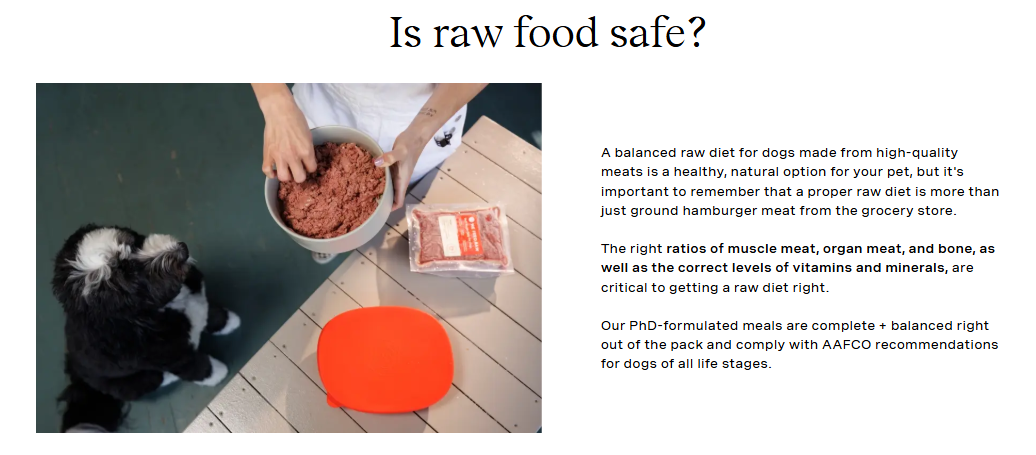
Regarding safety, We Feed Raw implements a multi-layered safety program to keep their diets free from harmful pathogens:
- High-Pressure Processing (HPP): We Feed Raw uses ultra-high water pressure to inactivate foodborne pathogens such as Listeria, E. coli, and Salmonella without heat or chemicals.
- Made with USDA Human-Grade Ingredients: Every recipe starts with USDA human-grade meat, organs, and bones and is produced in an SQF Level 3-certified pet food facility, meeting rigorous standards for food safety and quality.
- High-Quality, Human-Grade Ingredients: Meats are sourced from USDA human-grade suppliers, which are less likely to carry harmful contaminants and are subject to stricter quality controls.
- Independent Safety Validation: We Feed Raw was recognized by the Clean Label Project as part of the “Clean 16® list for safest dog foods. This independent study found We Feed Raw to be among the purest.
- HACCP: HACCP is a systematic approach to food safety that identifies potential hazards (biological, chemical, or physical) and implements controls to prevent or eliminate them. For raw pet food, this is especially important because raw meat can harbor harmful pathogens like Listeria, E. coli, and Salmonella.
We Feed Raw is not formulated to be a treatment for diagnosed joint disease. Instead, it is intended to be used as part of a preventative approach to overall joint and whole-body health in combination with other healthy choices, such as regular exercise.
We Feed Raw is also not a clinical intervention, but it delivers the kind of ingredient quality that matters for muscle maintenance and weight management.
Other Brand-Name Recommendations

Of course, We Feed Raw is not the only fresh, raw diet option that can support your dog’s joint health.
Additional options for brands that prioritize whole-food, high-protein formulations include:
- Stella & Chewy’s: Best known for freeze-dried raw, with recipes built on 85–95% meat, organ, and bone from a single protein source, plus blended options featuring up to six proteins per bag.
- Primal: Offers both prey-model and produce-inclusive raw recipes, though its use of HPP varies by protein (applied to poultry, not to red meat).
- Open Farm: Emphasizes traceability and ethical sourcing, with freeze-dried morsels around 92–95% meat, organ, and bone, often paired with salmon oil for omega-3s.
- Steve’s Real Food: A BARF-style formulation (meat, organ, and bone plus produce) that stands out for including New Zealand green-lipped mussel, a whole-food source of both omega-3s and natural glucosamine.
- Small Batch: Uses a 90/10 meat-to-produce ratio and skips HPP entirely, relying on batch testing and test-and-hold protocols instead.
If you’re comparing options, ask yourself these questions:
- What’s the primary protein source? Named, whole-animal proteins provide the amino acids your dog needs to build and repair the muscle and connective tissue that support their joints. The more diluted or generic the protein listing, the less of that benefit you’re likely getting.
- How are omega-3s delivered? Not all omega-3s are equal. Marine sources like fish oil or green-lipped mussel provide EPA/DHA directly, which are more bioavailable and better studied for reducing joint inflammation than plant sources like flaxseed, which dogs must convert less efficiently.
- How is the diet processed for safety? Raw diets carry inherent pathogen risk, so it’s worth knowing whether a brand relies on HPP, test-and-hold protocols, or something else entirely, and whether that approach is applied consistently across all their recipes.
Ultimately, these questions are what led us to We Feed Raw: a true prey-model ratio, a single named protein per recipe, and a short-hold HPP process that keeps the food safe without sacrificing what makes raw feeding beneficial in the first place.
Don’t Forget About Your Veterinarian

I began this article by noting the limitations of diet, and it’s a good way to end: diet cannot substitute for veterinary diagnosis and treatment.
While this article will hopefully provide you with the foundation to independently evaluate healthy food choices for your dog, it’s important to remember that you should seek guidance from a veterinarian before introducing dietary changes if any of the following is true for your pet:
- A rapid decline in mobility, increase in stiffness or inability to rise, and/or sudden lethargy is present
- A diagnosis of hip or elbow dysplasia, osteoarthritis, or any other joint or bone condition
- Being from a breed with high-risk genetic factors, such as known joint conditions or irregular growth rates
- Your dog is already on a prescription diet or otherwise taking medication
In these situations, your vet can assist you by evaluating the underlying causes for concerning behaviors, ordering any necessary additional testing, and recommending a specific treatment plan. Knowledge about all the available food options for your dog supports expert intervention, but it certainly doesn’t replace it.
Always Try to Be Realistic and Stay Informed
No single food can prevent or cure joint disease because numerous non-dietary factors influence the presence of joint disease. Any product that implies otherwise should, at the least, be treated with extreme skepticism.
However, I hope you now understand how a good diet can absolutely support the muscle, connective tissue, and body weight targets that keep joints functioning well over the course of your dog’s life.
Diets achieve these results through an emphasis on quality animal protein, meaningful omega-3 content, and appropriate portioning based on your dog’s actual activity level.
A vet-directed therapeutic diet remains the right tool for dogs with diagnosed joint conditions, but for preventative joint support in an otherwise healthy dog, a fresh diet like We Feed Raw is a smart choice. As you weigh all these nutritional choices for your dog, approach your decision-making with realistic expectations about what nutrition can and can’t do.
And, if you feel overwhelmed or if something changes in your dog’s behavior, always loop in your vet – they are always happy to help.