
- Endura Flap vs. RANGER: Which Pet Door Actually Holds Up? - September 11, 2026
- Primal Dog Food Alternatives: Safety, Cost, and Convenience Compared - September 4, 2026
- How to Find the Best Dog Food for Joint Support - August 9, 2026
There are a few reasons dogs scoot, but anal gland problems are one of the most common. To understand why this happens, it helps to know what anal glands are and what they’re supposed to do.
First, What Are Your Dog’s Anal Glands?
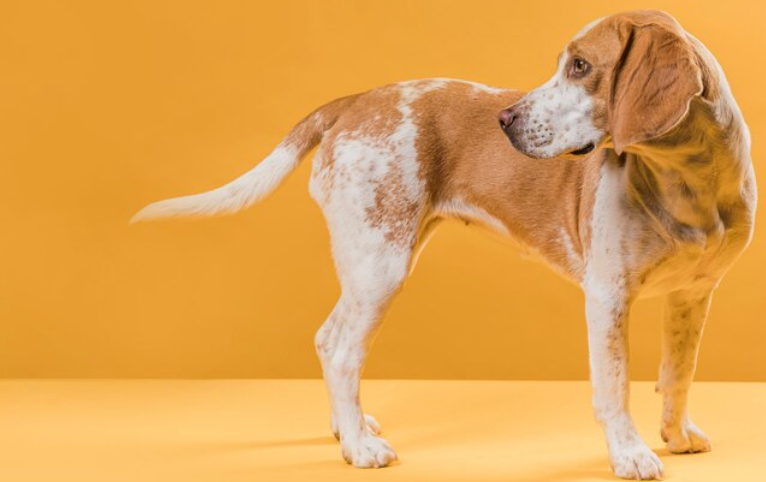
Anal glands (also called anal sacs) are two small glands just inside your dog’s anus. They make a strong-smelling fluid that dogs use to communicate and mark territory. It smells awful to us, but for dogs, it’s a normal part of how they gather information about each other.
Normally, these glands empty on their own when your dog poops. Firm, well-formed stool puts pressure on the glands and helps release a small amount of fluid, and most pet parents never notice this because it usually happens naturally.
When Anal Glands Don’t Empty Properly
Problems can happen when a dog’s stool is too soft and doesn’t put enough pressure on the glands. When that happens, fluid can build up inside instead of emptying the way it should.
This can make the glands feel full, irritated, and uncomfortable, which is why some dogs start scooting, licking, or chewing their rear end.
If the problem isn’t treated, the glands can become infected. They may get swollen, painful, and in some cases can form an abscess (a pocket of infection). If an abscess bursts, you might see swelling, bleeding, or drainage near your dog’s rear end, and that’s something that needs veterinary care right away.
Treatment depends on how serious the problem is, but it may include manually emptying the glands, treating infection, managing pain, and in severe cases, surgery.
Causes of Anal Sac Problems in Dogs

There are a few reasons why a dog may have an increased risk for anal gland disease. They include:
- Obesity
- Chronic digestive upset
- Food sensitivities
- Inflammatory bowel conditions
- Allergies
Some dogs may also be born with narrower gland ducts or weaker muscles around the rectum, which can make it harder for their anal glands to empty normally.
Diet and Stool Quality
One of the biggest things that affects anal gland health is stool quality, and that often comes back to diet. Hydration matters too, since healthy digestion depends on your dog getting enough water.
The right diet can look a little different for every dog. Some dogs do better with highly digestible proteins, while others may need more fiber or a digestive-support formula. Some pet parents find success with fresh food, raw diets, higher-protein foods, or other diets that support healthy digestion. Foods with too many fillers or ingredients your dog doesn’t digest well can sometimes lead to softer stools.
Let’s talk about a few categories of dog food frequently recommended for anal gland problems, with standout brands in each!
The Best Types of Food At a Glance
| Food Type | Why It May Help | Example Brands |
| Frozen Raw | Meat-heavy diets with bone content may support firmer stools | We Feed Raw, Stella & Chewy’s |
| Fresh Gently Cooked | Less processed ingredients may improve digestibility | Spot & Tango, The Farmer’s Dog |
| High-Protein Kibble | Better ingredient quality may improve stool consistency | Royal Canin, Open Farm |
| Freeze-Dried Raw | Raw-style nutrition with easier storage | Primal, Stella & Chewy’s |
| Digestive Support Diets | Designed for sensitive digestion and stool quality | Royal Canin GI, Hill’s |
| Fiber-Conscious Diets | Strategic fiber may help some dogs produce firmer stools | Various brands |
| Personalized Meal Plans | Tailored nutrition allows adjustment based on stool response | We Feed Raw, Spot & Tango |
1. Frozen Raw Dog Food
Frozen raw diets are often the topic of conversation around anal gland health because their influence on stool consistency is one of the first changes a dog parent may notice when switching their dog to a raw food diet.
Many raw diets focus on animal protein, organ meat, and uncooked bone, while keeping carbohydrate levels low. The result is often smaller, firmer stools due to the lack of fillers or starches.
We Feed Raw
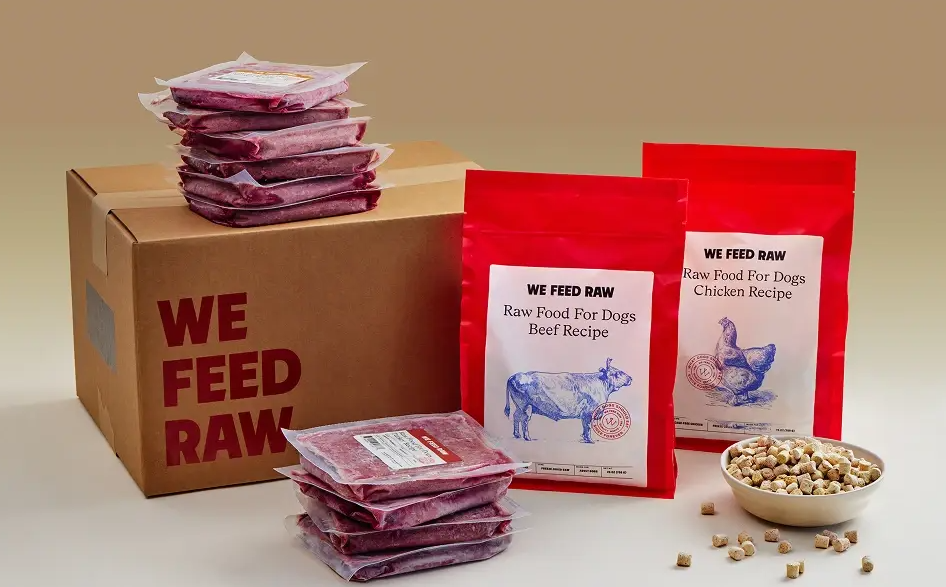
One frozen raw option that follows that exact formula, building its recipes around muscle meat, organ meat, and fresh uncooked bone, with very low carbohydrates, is We Feed Raw. Bone in particular naturally adds firmness to stool consistency, with many pet parents reporting smaller, more compact stools.
Other features of We Feed Raw’s diets that stand out include their convenient, pre-portioned frozen patties, which simplify raw feeding.
They also use high-pressure processing (HPP), a food safety process that relies on pressure rather than heat, which reduces pathogens while minimally processing nutrients. The transparency of their meals shows the balance of meat, organs, and bone. Also, a small targeted amount of vitamins and minerals is added to meet AAFCO standards, but their diets are quite focused on animal-based ingredients.
Stella and Chewie’s
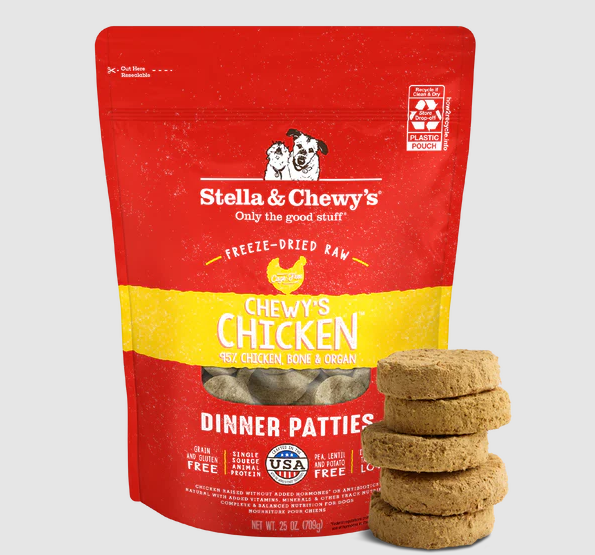
Stella and Chewie’s also focuses heavily on animal protein in both their frozen and freeze-dried raw options. Their formulas are widely available, and many of their recipes include organ meats and raw bone, which may also lead to firmer stools in some dogs. They offer a variety of proteins, which helps select a diet for dogs with food sensitivities.
2. Fresh Gently Cooked Dog Food
For dog parents who want a diet less processed than kibble but aren’t ready to try raw feeding, fresh dog food has become increasingly popular.
These diets generally contain recognizable ingredients, have higher moisture content, and contain fewer artificial preservatives.
Fresh food may help some dogs improve overall digestion and stool consistency, especially if they’re accustomed to, and have struggled with, lower-quality dry food.
Spot and Tango
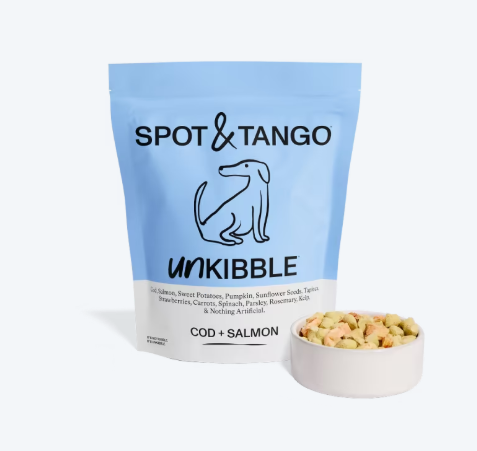
Spot and Tango is a popular fresh dog food subscription service that often comes up in conversations about digestive health and anal gland issues.
The company offers personalized meal plans based on your dog’s age, breed, activity level, and calorie needs, which can help pet parents find a diet that better supports healthy digestion. Their fresh recipes use whole-food ingredients and avoid many of the fillers found in some traditional dog foods, which may help some dogs have more consistent stools.
Spot and Tango also offer their UnKibble line, which is shelf-stable but less processed than traditional kibble. This can be a nice middle-ground for pet parents who want a fresher option without committing to frozen food.
That said, fresh food doesn’t automatically mean firmer stools. Some fresh diets are naturally higher in moisture or fiber, and every dog responds differently.
The Farmer’s Dog
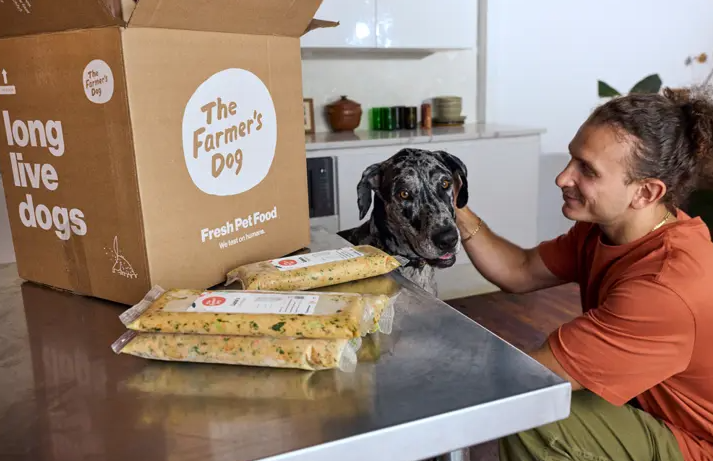
The Farmer’s Dog also offers gently cooked, fresh meals and promises human-grade ingredients. Their recipes are also personalized and portioned specifically for each dog’s digestibility. Ingredient transparency can be particularly helpful for dogs with sensitive stomachs. This fresh, minimally processed food helps some dogs experience improved digestive comfort, especially if they were previously eating traditional kibble.
3. High-Protein Kibble
Kibble is still the most common feeding choice for dogs. Unfortunately, ingredient quality and digestibility vary widely between brands.
If your dog has recurring anal gland issues, it may be best to aim for higher-protein kibble with fewer fillers rather than heavily processed, carbohydrate-heavy formulas.
Royal Canin
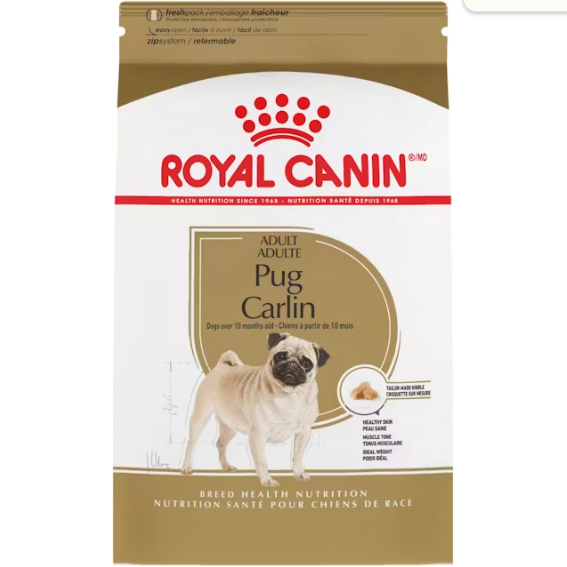
Veterinarians often recommend Royal Canin due to its targeted nutritional formula.
They offer several diets to support digestion, promoting stool quality and digestive consistency. A dog whose anal gland problems may be caused by chronic GI sensitivity can improve on these formulations. Some of them include carefully balanced fiber blends to support bowel regularity and stool formation.
Royal Canin’s diets are very different from raw or fresh-feeding diets, but they are still a popular brand because of their veterinary-focused research and therapeutic diet line.
Open Farm
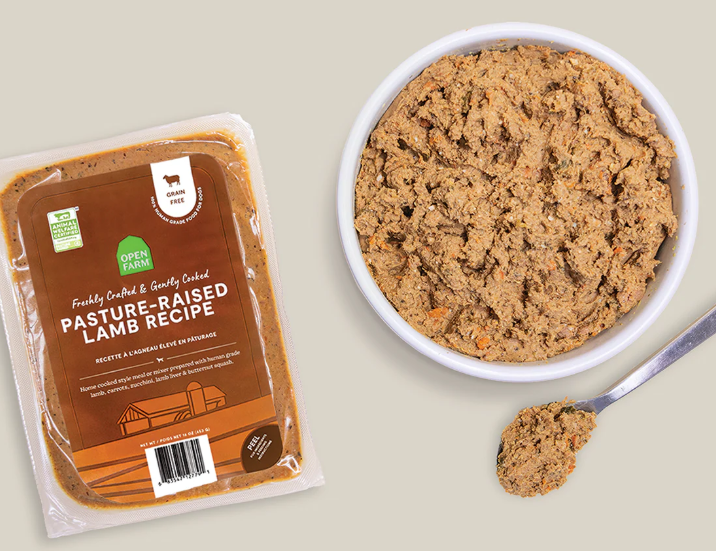
Open Farm has become increasingly popular due to its emphasis on ingredient sourcing and higher-quality protein. Their recipes focus more heavily on animal protein while avoiding artificial additives and low-quality fillers.
If you’re looking for kibble, or if you want to stick with kibble but prefer a more premium ingredient profile, Open Form may be the middle ground you’re looking for.
4. Freeze-Dried Raw Food
Freeze-dried raw food is popular with pet parents who like the idea of raw feeding but don’t want the hassle of freezer storage.
These diets have the moisture removed while keeping the raw ingredients mostly intact, so they’re shelf-stable, easy to store, and simple to serve.
They also tend to be high in animal protein and lower in carbohydrates, which may help some dogs produce firmer stools.
Primal
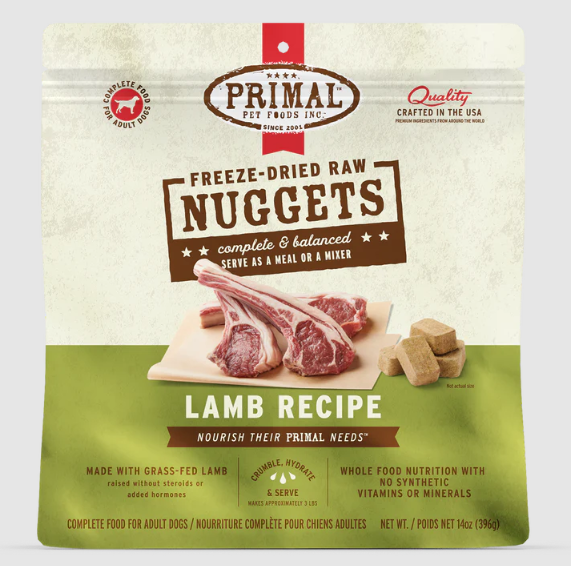
Primal offers both freeze-dried and frozen raw formulas made with minimally processed ingredients. Their recipes are meat-forward and often include organ meats and ground bone, which some pet parents feel helps support firmer, more consistent stools.
Some dog parents use Primal as a complete diet, while others use it as a topper on kibble to add more protein and reduce how much heavily processed food their dog eats.
Stella and Chewy’s
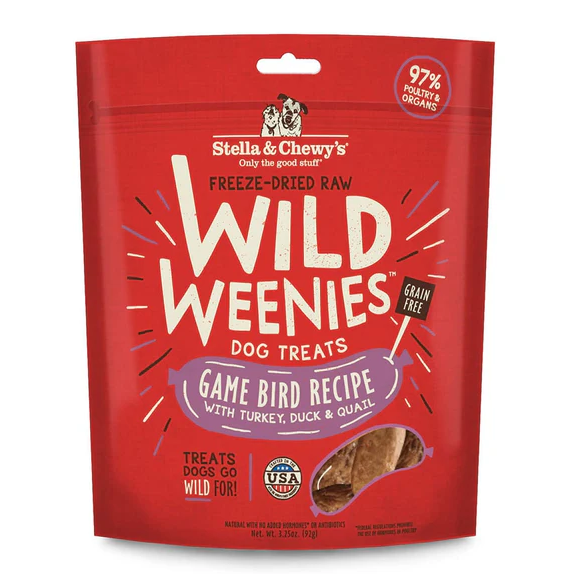
Stella & Chewy’s is one of the best-known freeze-dried raw brands and offers patties, morsels, and other convenient options. Like other freeze-dried raw diets, their recipes are meat-focused and designed to be an easier alternative to frozen raw feeding.
For pet parents who aren’t ready to fully switch to frozen raw, this type of food can feel like a more convenient middle ground.
As with any diet, though, stool quality can vary from dog to dog. While some dogs do well on freeze-dried raw, others may need a different balance of fat, fiber, or protein to support healthy digestion and anal gland function.
5. Digestive Support Formulas
Some dogs’ anal gland issues result from underlying digestive sensitivity. In these cases, diets that support their digestive problems may also improve their stool consistency and reduce GI upset overall.
Many of these formulas include probiotics, targeted fiber blends, and carefully selected proteins to support digestive regularity.
Royal Canin Gastrointestinal Formulas
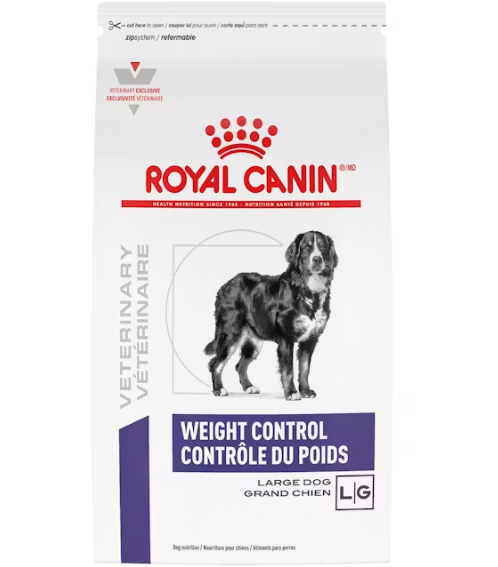
These diets focus on digestibility and stool consistency and are designed for dogs with chronic loose stool, sensitive stomachs, and digestive instability.
Some of these dogs will have improved anal gland expression due to more predictable bowel movements, which stabilize the digestive tract.
Hill’s Digestive Support Diets
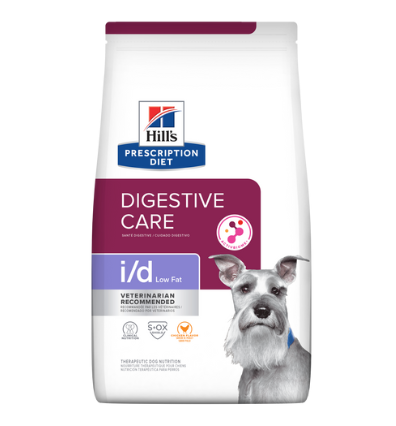
Hills is another brand well supported by the veterinary community. These diets aim for carefully balanced nutrition and easy digestion.
They’re not specific anal gland diets, but they can help dogs with anal gland problems if those problems result from chronic digestive upset.
6. Fiber-Conscious Diets
Fiber has long been the most discussed tool for anal gland problems, but it can be very misunderstood.
Some types of fiber, like pumpkin, psyllium, and certain vegetable fibers, can help create firmer, bulkier stools, which may put more pressure on the anal glands during bowel movements and help them empty more naturally.
But more fiber isn’t always better. Some highly processed, filler-heavy foods can create stools that are bigger but still soft, which doesn’t always help anal glands the way pet parents expect.
Overall digestibility matters more. Instead of thinking that more fiber automatically equals better anal gland health, you need to pay close attention to stool quality.
7. Personalized Meal Plans
Personalized feeding plans have become more popular because they allow you to take into account your dog’s digestion and sensitivities, and to tailor these choices.
Some dogs can respond dramatically to changes in protein source, carbohydrate levels, or ingredient quality, which can be very useful in cases of recurring anal gland problems.
We Feed Raw
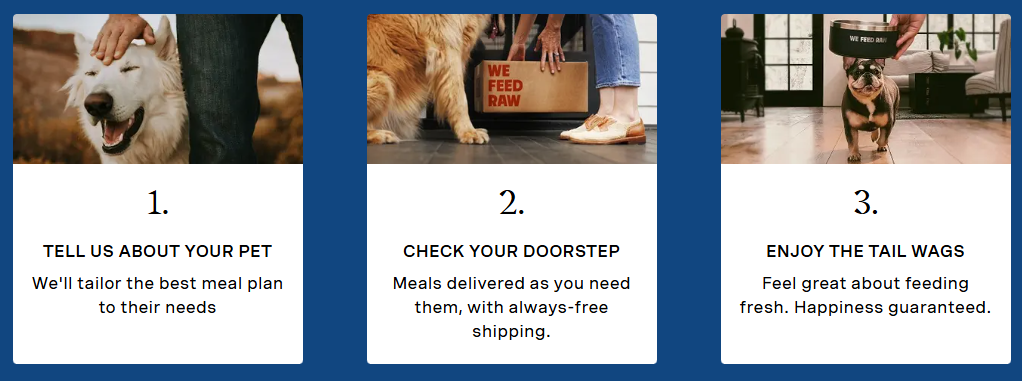
We Feed Raw offers a highly customizable feeding plan that lets you choose proteins, with many options and portion sizes tailored to your dog’s specific needs.
With their emphasis on meat organs, uncooked bone, and low-carbohydrate intake, they are at the forefront of conversations about stool quality and natural anal gland expression.
Their personalized plans let you experiment over time by monitoring how different proteins or formulations affect your dog’s digestion.
Spot and Tango
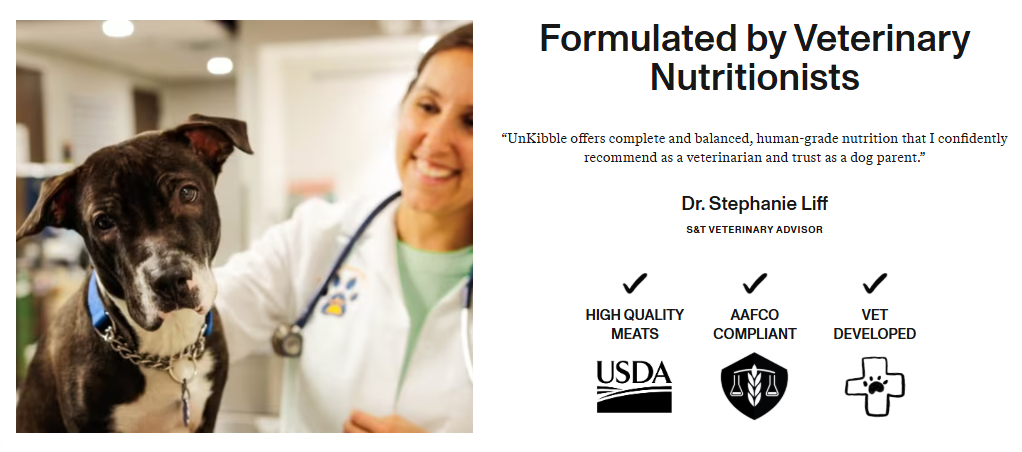
Spot and Tango offers both fresh and shelf-stable options and additionally provides personalized meal planning. This gives pet parents the flexibility to tailor a feeding approach without committing to raw feeding.
The ability to customize calories and recipes helps with fine-tuning your dog’s nutrition for dogs with recurring digestive issues.
Final Thoughts
The best dog food for your dog with anal gland problems is the one that produces firm, healthy stools, supports digestion, and provides a high-quality diet.
Some dogs do best on fresh food, others on carefully selected kibble, and many on minimally processed raw diets, depending on how these diets affect stool quality.
In the end, ingredient quality, protein balance, digestibility, and overall stool consistency are the most important things to focus on. So if you aim for stool firmness and digestive comfort, you’ll make a better choice in supporting long-term anal gland health.