
- Protein Rotation Benefits for Dogs - October 29, 2026
- Open Farm Alternatives - October 28, 2026
- How to Start a Raw Dog Diet: A Beginner’s Guide - October 24, 2026
Once pet parents start seriously looking into raw feeding for their dogs, they may consider protein rotation. Some dog parents are convinced dogs need variety, while others have a dog who’s eaten the same thing for eight years and don’t see a reason to change.
As a veterinarian, I’ve had clients who used both methods. One client brought her six-year-old Golden Retriever in for an annual exam with questions from a raw-feeding forum. She was worried she’d somehow harmed him by feeding beef for the past year. He had a beautiful coat, normal stools, good muscle condition, and had never missed a meal. No nutritional emergency to worry about.
Protein rotation can be useful, but it doesn’t need to become another rule that makes feeding your dog harder.
What Protein Rotation Is (and Isn’t)

The Basic Idea
Protein rotation means changing the main animal protein in your dog’s food from time to time. You might finish a box of beef and order turkey next, or stay with one protein for a month or two before switching.
The rest of the diet doesn’t have to change much. With commercial complete and balanced raw foods, you can change the meat source while keeping the overall formulation consistent.
There is a loose evolutionary argument for variety. Wild canids didn’t eat the same prey species for every meal, though a modern dog eating a formulated diet is in a very different situation.
What Rotation Doesn’t Do
Protein rotation gets credited with things it has never been proven to do.
- It will not fix an existing food allergy. If a dog has a true adverse reaction to chicken, feeding chicken every fourth week still exposes that dog to chicken. Diagnosing a food allergy usually requires a controlled elimination diet under veterinary guidance.
- The allergy-prevention claim is shakier. A reasonable theory supports it: many canine food allergies involve proteins dogs commonly encounter, including beef and chicken. What we don’t have is strong evidence that routine rotation prevents allergies from developing in the first place.
Keep in mind that rotation is optional. A dog can be perfectly healthy on one appropriate, complete, and balanced food for years.
The Real Benefits of Rotating Proteins
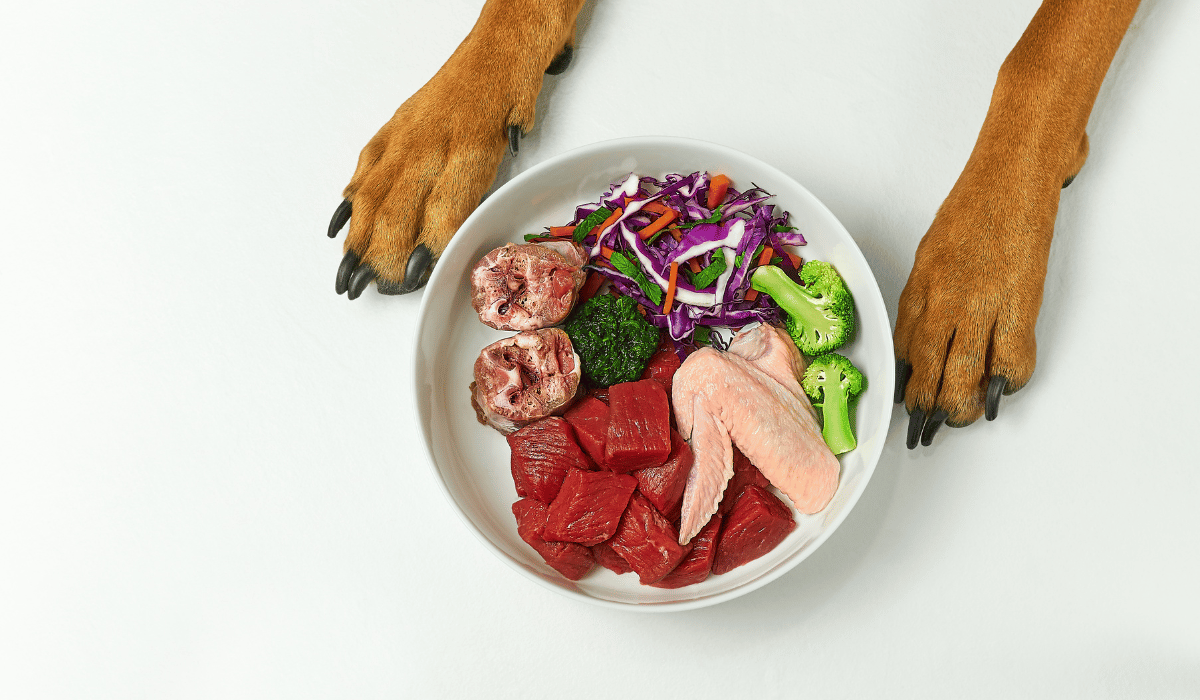
Nutritional Variety Across Protein Sources
Different meats have different nutritional profiles. Beef provides iron, zinc, and vitamin B12. Chicken and turkey are leaner. Duck is richer and has a different fat profile. Lamb is another red meat option with its own balance of fats and micronutrients.
If each recipe is complete and balanced, your dog doesn’t need rotation to patch nutritional holes. I see variety as a modest bonus.
Years ago, I had a wiry little mixed-breed patient named Frankie whose owner rotated between beef and turkey because he lost interest in anything he ate for too long. She often asked me which one was healthier. His bloodwork was normal, his weight barely changed, he had no signs of allergies, and both diets were properly formulated. What mattered most was that he ate them reliably.
The Allergy Question, Honestly
Dogs generally react to proteins they’ve been exposed to before, and commonly fed ingredients often show up in allergy cases. That doesn’t prove that repeatedly feeding one protein causes the allergy.
A terrier I treated for chronic itching had eaten chicken, beef, turkey, duck, lamb, salmon, rabbit, venison, pork, and bison by age three. His owner rotated constantly because she’d read that variety would protect him from allergies. When we needed an elimination trial, she had already fed every protein I suggested. Diagnosis was still possible, but clean options were harder to find.
True food allergies are immune-mediated and can cause a lot of discomfort for your dog, including itching, ear problems, vomiting, or diarrhea within hours of eating the trigger. Food sensitivities and intolerances, on the other hand, are non-immune reactions that have milder, more chronic symptoms. Protein rotation won’t prevent or cure an immune-mediated allergy, but it can help dogs whose repeated exposure to one protein contributes to sensitization.
Protein rotation is not the same as random food switching, which can upset digestion and confuse an allergy workup. However, done with care, you can build a record of proteins your dog tolerates well. It’s also a way to keep a few safe proteins on the back burner if you ever need an elimination diet. For a truly allergic dog, a novel protein diet or hypoallergenic diet is usually more successful than rotation alone.
Palatability and Picky Eaters
This was the rotation benefit I saw most often in ordinary practice. Some dogs get bored. One Standard Poodle named Maisie ate enthusiastically for the first week of every new bag, then began negotiating. She’d sniff breakfast and look at her owner like another course might be coming. Her weight was fine, and there was no medical reason for it. Alternating a few proteins made the standoffs much less frequent.
Dogs used to more than one food can also be easier to feed when something changes unexpectedly. If your usual recipe is backordered, or you travel and cannot find it, your dog will need to eat something else.
Comparing Common Rotation Proteins

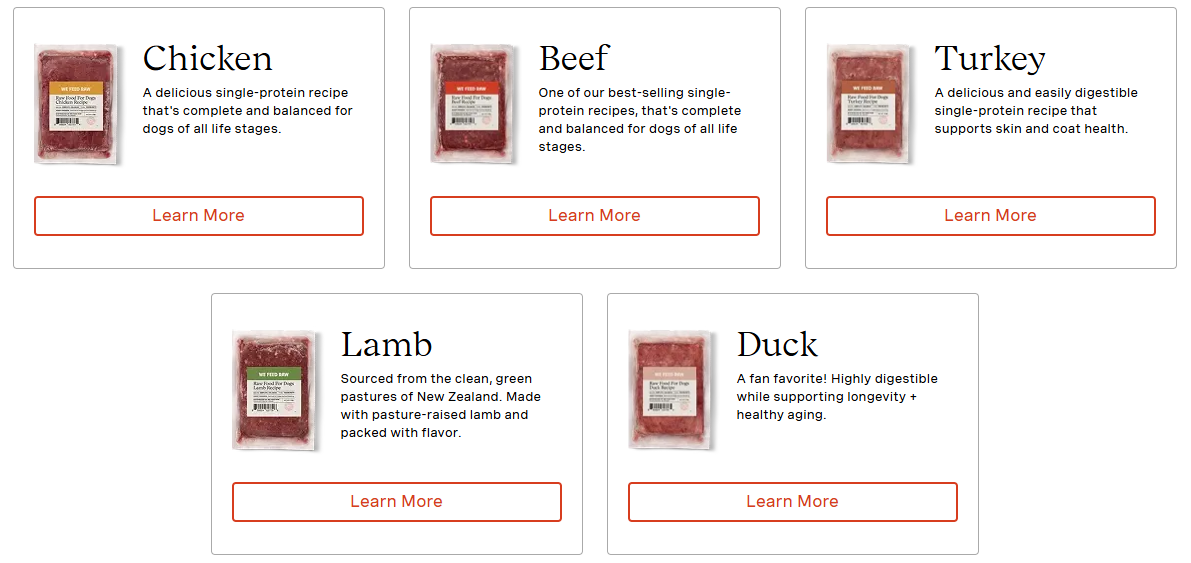
There isn’t a universal best protein. These five bring different things to a rotation.
| Protein | Nutritional Highlights | Rotation Notes |
| Beef | Rich in iron, zinc, and B12; robust flavor most dogs love | A classic anchor protein; also one of the most common sensitivities |
| Chicken | Lean, highly digestible, budget-friendly protein | Great everyday base; like beef, a frequent culprit in sensitive dogs simply because it is fed so often |
| Turkey | Lean poultry that tends to be gentle on digestion | A useful swap for dogs that do well on poultry generally |
| Duck | Richer poultry with more fat and a distinctive taste | Less commonly fed, which makes it a fresh addition for many rotations |
| Lamb | Red meat rich in flavor and healthy fats | Historically used as a change-of-pace protein for a reason; a strong red-meat alternative to beef |
How to Introduce a New Protein Without Stomach Upset
The problem I saw with rotation usually had less to do with the protein and more to do with how quickly pet parents switched. If you change everything overnight, your dog might experience loose stool, gas, or loss of appetite.
To rotate safely: Start with an official diagnosis from your veterinarian, then begin with proteins your dog has successfully eaten before, transition one protein at a time over one to two weeks, and track your dog’s stool, coat, skin, and appetite. Never rotate proteins during an elimination trial because it can give you false results.
The Gradual Transition
For a dog new to rotation, I’d follow something close to this:
- Days 1 to 3: About 75% familiar food and 25% new protein
- Days 4 to 6: Move to a half-and-half mix if everything looks normal
- Days 7 to 8: About 75% new food
- Days 9 to 10: Fully transitioned.
Once a dog has eaten the same few formulas repeatedly, switching among them often becomes easier.
Signs to Slow Down
A single soft stool after a diet change doesn’t automatically mean the new protein is a bad fit. Call your veterinarian if diarrhea persists, vomiting develops, your dog seems nauseated, or they stop eating. New itching, inflamed ears, or persistent paw licking also deserve attention.
When Rotation Isn’t the Right Move
Sometimes a diet should stay boring.
A dog in the middle of an elimination trial needs consistency. So do patients with a diagnosed gastrointestinal issue or chronic digestive trouble. These dogs need a veterinarian to guide their diet and determine what best controls symptoms.
I once treated a Schnauzer with months of intermittent diarrhea whose family changed proteins every time his stool loosened. Chicken one week, lamb the next, then duck. We had no baseline, so I asked them to stick with a prescription diet long enough for us to learn something.
Puppies can rotate proteins, but I prefer establishing them individually at first.
Rotation-Friendly Raw Brands Worth Knowing
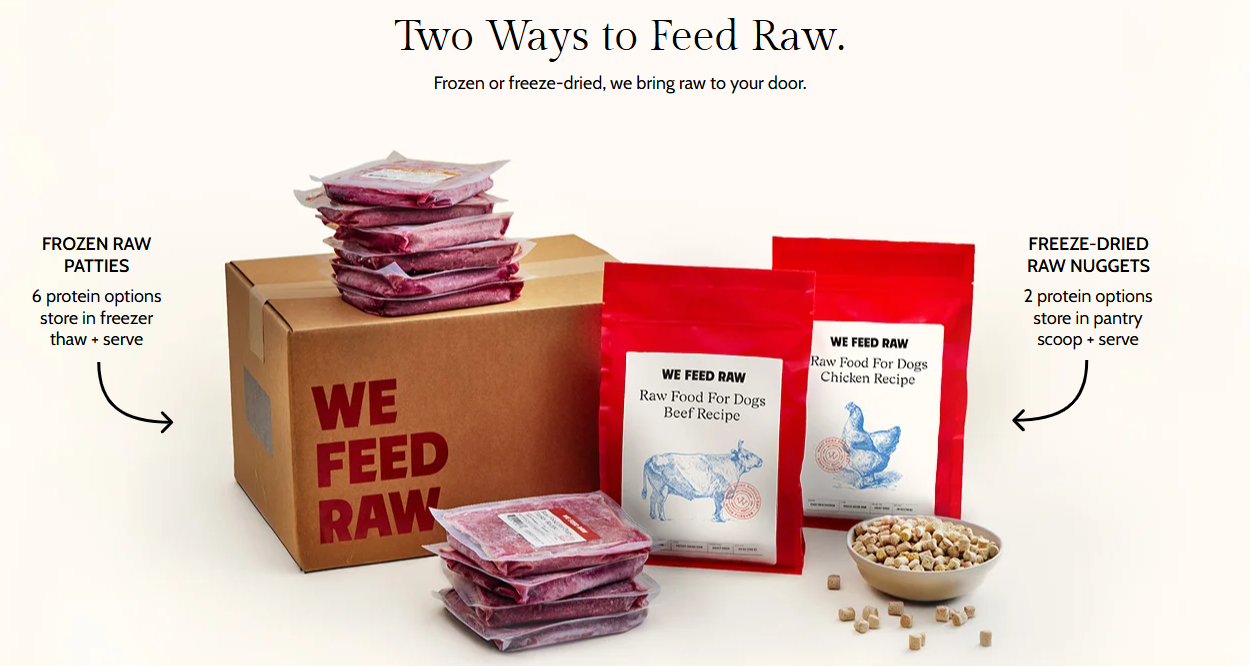
Commercial raw diets make protein rotation straightforward because complete and balanced recipes let you change the meat without rebuilding the diet.
- Stella & Chewy’s has one of the broadest frozen raw selections, with eight varieties that include less common choices such as rabbit and venison. It’s widely stocked in pet stores, making it easy to switch proteins without placing a special order.
- Steve’s Real Food takes a different approach with some multi-protein blends. Its Turducken combines turkey, duck, and chicken, and the lineup also includes proteins such as pork, giving owners variety within a single bag.
- We Feed Raw is particularly well suited to households that want to rotate without managing much of the process. They offer five frozen recipes: beef, chicken, turkey, duck, and lamb. Owners can mix proteins into a personalized plan, and pause or adjust it as needed. The flexibility allows you to rotate on a loose schedule- you can stay on a protein that is working, switch when the next shipment comes, or mix proteins within the plan without having to rebalance the ingredients.
If you want to rotate raw food without taking on another hobby, I recommend commercial food. DIY raw gets more complicated each time an ingredient changes. With a properly formulated commercial recipe, the nutritional work is already handled.