
- How to Start a Raw Dog Diet: A Beginner’s Guide - October 24, 2026
- Freeze-Dried vs Frozen Raw Dog Food - October 23, 2026
- Endura Flap vs. RANGER: Which Pet Door Actually Holds Up? - September 11, 2026
When I was in veterinary school, it was made clear almost from the beginning that feeding raw food to your dog was a big “NO.” Now, 35 years later, there have been tremendous changes in that belief. Feeding a dog raw food has grown from an uncommon idea into one of the most common questions I receive in my exam room. For those pet parents who have decided to make the switch, it’s equally important to know how to start a raw diet the right way. This guide walks you through the entire process, from deciding between homemade and commercial options to the day-by-day transition plan.
What Is a Raw Dog Diet?
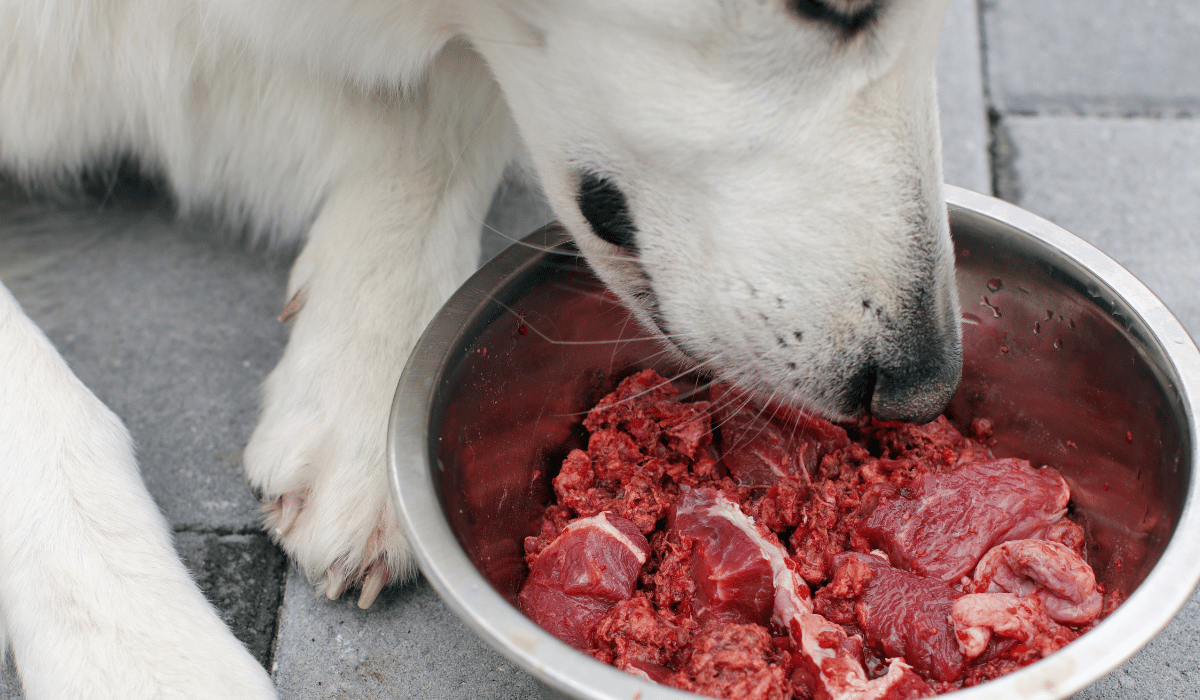
A raw dog diet is what it sounds like: uncooked ingredients. It usually includes muscle meat, ground bone, organ meat, and sometimes a small mix of vitamins and minerals if needed. Why has it gained popularity? One reason is that dogs thrived on fresh, raw food for centuries, long before kibble existed. A second reason is that cooking changes food. Heat can actually reduce some nutrients and alter proteins, while raw food keeps them in their natural state. A third is that dog parents report fewer skin and digestive problems.
Some other benefits of feeding raw can be:
- Smaller, firmer, less smelly stools
- A shinier coat and less itching
- Steadier energy and enthusiasm at mealtime
- Easier weight management
- Lean muscle
Few scientific studies have compared raw diets for dogs with cooked food. Most results come from pet parents. However, researchers with the University of Helsinki’s DogRisk program, an independent research group studying how diet, environment, and genetics influence chronic diseases in dogs, have published multiple studies showing that raw meat-based diets can lower inflammation markers, improve metabolic health, and reduce certain disease risks compared to kibble diets.
Commercial Raw vs. Homemade Raw: Know the Difference Before You Start
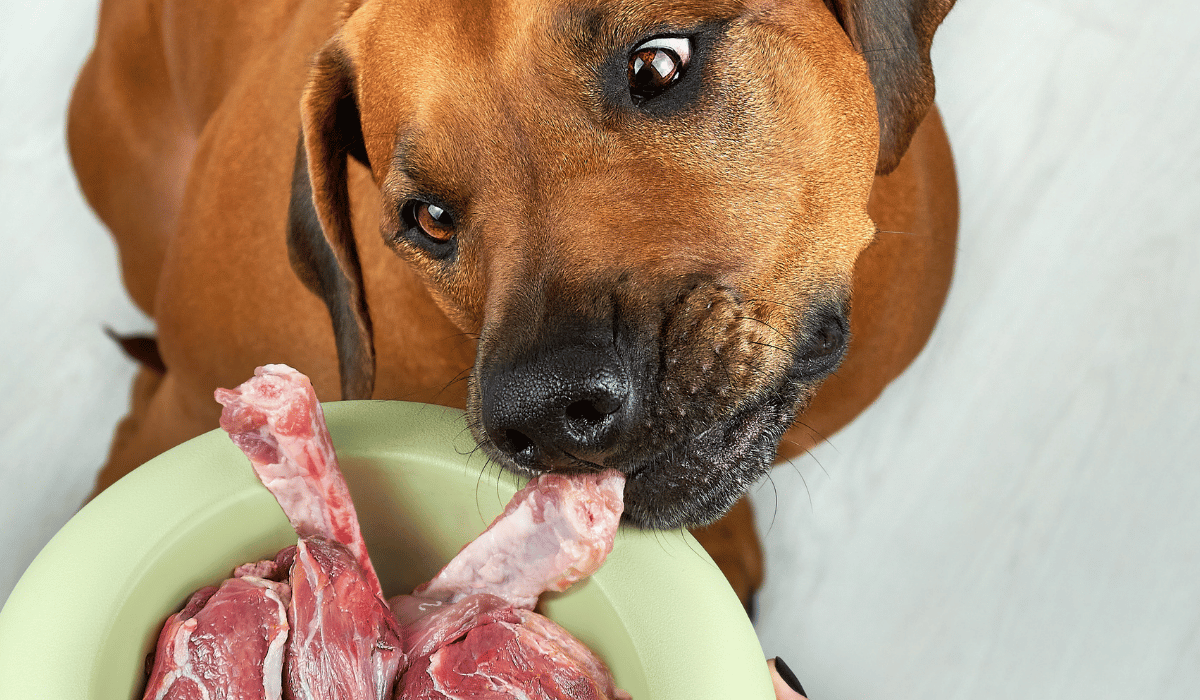
Since that time at the beginning of veterinary school, I have learned why my professors and even the American Veterinary Medical Association were so against raw food: Pet parents traditionally prepared raw food for dogs in their own kitchen. These days, multiple commercial raw food diets are available for your pup—and they differ greatly from what you would make in your kitchen.
| Commercial Raw | Homemade Raw | |
| Nutritional Balance | Formulated to AAFCO standards | Depends on the recipe and your consistency |
| Food Safety | HPP, HACCP protocols, third-party testing | No kill step; all handling is on you |
| Prep Time | Thaw and serve frozen food; add water to freeze-dried | Sourcing, weighing, grinding, mixing |
| Best Suited For | Beginners and busy households | Experienced feeders working with a veterinary nutritionist |
Homemade (DIY) Raw Feeding
If you make your dog’s raw food at home, you have to purchase the meat, organs, and bone yourself and use a recipe to build each meal. Raw feeding earned a bad reputation when people did it too casually. The risks of DIY raw are real and specific:
- Nutritional gaps. Published analyses of homemade recipes have repeatedly found inadequate calcium, vitamin D, zinc, and other essentials. A diet may look like meaty dog food but still be deficient in key nutrients.
- Pathogen exposure. Raw meat from the grocery store can carry harmful bacteria such as Salmonella, Listeria, Campylobacter, E. coli, Staphylococcus, and Clostridium perfringens, all of which can cause food poisoning if the meat is not cooked properly. This can affect both you and your dog.
- Lack of safety measures. The store-bought raw meat hasn’t been through any safety procedures to kill these bacteria.
- Balance drift. Even good recipes get “simplified” over time in busy households, and the dog ends up paying for it.
If you go this route, work off a recipe formulated by a board-certified veterinary nutritionist and follow it exactly. Remember: These DIY risks do not apply to complete commercial raw food. Keeping the two separate is the key to understanding the entire raw feeding debate.
Complete Commercial Raw Food
Commercial raw food is completely different from what you would prepare in your kitchen. Some companies use veterinary nutritionists to formulate recipes that meet AAFCO nutrient standards for dogs. This ensures you’re feeding your dog a complete, balanced diet. Considering safety has long been the biggest obstacle to feeding a raw diet, it is important to know that reputable commercial raw food companies, such as We Feed Raw, have multiple safety measures in place to reduce the risk of your dog’s food being contaminated with dangerous bacteria. These safety steps include:
- High-pressure processing (HPP). An FDA- and USDA-recognized process used across the industry that neutralizes harmful bacteria like Salmonella and Listeria without cooking the food
- HACCP protocols. Hazard Analysis and Critical Control Points (HACCP) is a food-safety system borrowed from human-food production. It identifies every point where contamination could occur and controls each one.
- Independent third-party testing. Outside labs verify safety and purity. The Clean Label Project’s Clean 16, for example, recognizes pet foods that test free of common contaminants.
Commercial raw also comes in two formats: frozen and freeze-dried. Frozen raw resembles fresh, can be used as an everyday diet, and has to be kept in your freezer. Freeze-dried raw is shelf-stable, and because it does not require a freezer, it is handy for travel, toppers, and treats. If you’re just beginning to feed your dog raw food, either form is a great way to ensure proper nutrient balance and built-in pathogen control.
Your Step-by-Step Raw Transition Plan
Once you’ve chosen what to feed your dog, the most important thing to remember is to switch gradually. Here’s the plan I give dog parents in practice.
Step 1: Choose Your Food and Order Ahead
Some raw foods are sold mainly online through prescription plans and are shipped to your door. Others are available in retail pet stores. If you want portioning, We Feed Raw is a good example of how easy it can be for beginner commercial raw feeders. You simply enter your dog’s weight, age, and activity level, and the frozen meals arrive pre-portioned to your dog’s calorie needs. The only other thing you need to select is the protein you want for your dog, such as beef, chicken, turkey, duck, or lamb. It’s a good idea to have at least two weeks of food on hand before you start and make sure you have the freezer space to store it. When I switched to feeding my dog raw food, I bought a small stand-alone freezer for my dog’s food, leaving my main freezer for my own.
Step 2: Calculate Your Dog’s Portions
The amount you feed depends on whether you have an adult dog, an active dog, a large dog, a couch potato, a senior dog, or a growing puppy. The math can be complex, but pre-portioned commercial plans handle it for you. However, the general rule is adult dogs eat 2%–3% of their ideal body weight in raw food per day. Active dogs need more; couch potatoes need less. Growing puppies need 5%–8% of their current body weight daily, which you have to adjust as they grow. If you’re portioning the food yourself, use a kitchen scale, not your eye.
Step 3: Transition Gradually Over 7–10 Days
A slow switch gives your dog’s gut time to adjust. Replace part of the old food with raw at each meal, increasing the raw share every few days:
| Days | Raw Portion of Each Meal |
| 1–3 | 25% |
| 4–6 | 50% |
| 7 and 8 | 75% |
| 9 and 10 | 100% |
Some dogs manage the transition easily in a week, while sensitive stomachs may need two or three weeks to adjust. Slightly soft stool during the transition is normal. However, watery diarrhea or vomiting means you should stop at the current ratio and stay there until things settle, then continue.
Step 4: Monitor and Adjust
For the first month, watch four things:
- Stool: It should firm up and shrink. It is normal for a dog eating raw food to have smaller, firmer stools.
- Weight: Run your hands over the ribs weekly. You should be able to feel them, but not without pressing through a layer of skin and fat. If they are visibly obvious, your dog is probably too thin.
- Energy: Your dog’s energy levels should either remain the same or increase, not decrease.
- Coat: Many dogs are reported to have a glossier coat.
If your dog loses or gains unwanted weight, adjust portions by about 10% and recheck in two weeks.
Safe Handling Basics
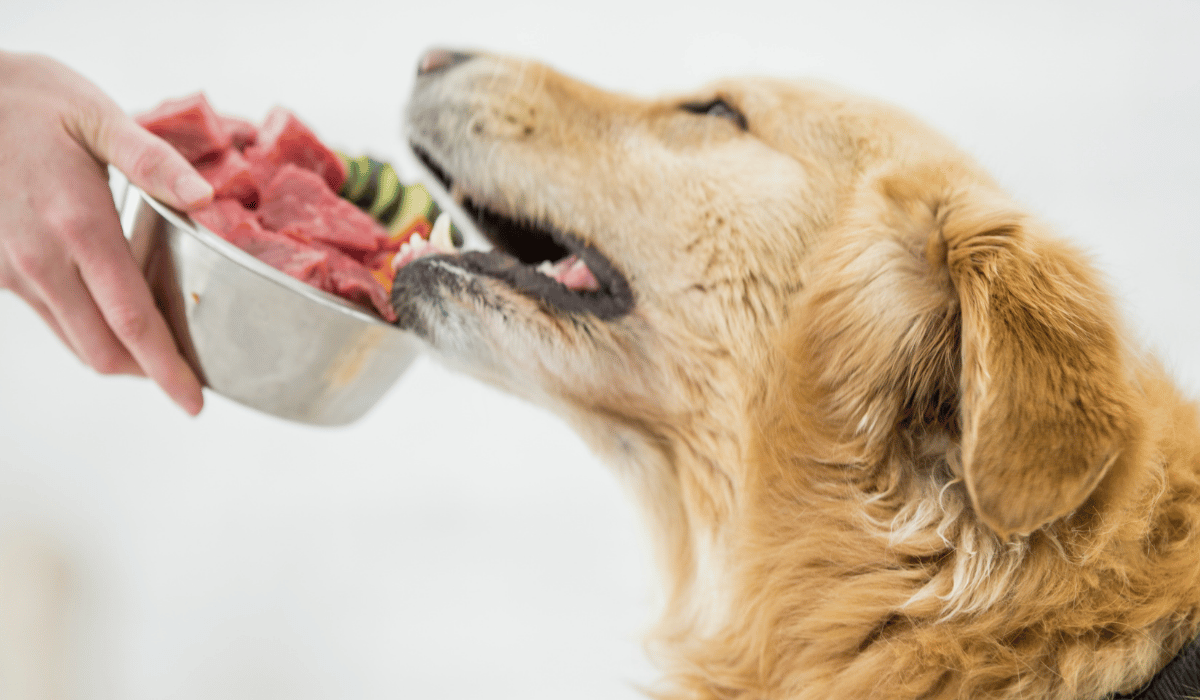
Despite the commercial companies’ rigorous safety measures, it makes sense to handle raw dog food the same way you would handle the raw meat you’d cook for your own dinner:
- Store it frozen, and thaw it in the refrigerator, never on the counter.
- Use thawed food within three or four days.
- Wash bowls, utensils, and prep surfaces with hot, soapy water after every meal.
- Wash your hands after handling food and after cleanup.
- Pick up uneaten food within 30 minutes, and either refrigerate or discard it.
- Keep a dedicated cutting board and sponge for pet food prep if you portion at home.
Remember, though, that reputable commercial raw food has already been through HPP, HACCP controls, and independent third-party testing before it ever reaches your freezer. All you have to do at home is practice the same good kitchen hygiene you use with raw chicken for your human family.
Common Beginner Mistakes to Avoid
- Switching overnight. This will most likely cause diarrhea.
- Eyeballing portions. Doing this can make your dog gain or lose weight.
- Treating a DIY recipe as “close enough.” Over time, a nutrient gap will show up as weak bones, dull coats, and increased vet bills.
- Quitting during the adjustment week. A bit of soft stool during the transition is normal, not failure.
- Forgetting that treats count. Keep treats under 10% of daily calories so they don’t unbalance the diet.
- Skipping the hygiene routine. Follow hygiene rules every day to protect you, your family, and your canine.
Raw food for your dog is definitely an option these days. The right company will ship complete, balanced food ready to thaw and serve, and many brands pre-portion it to your dog’s needs. Reputable brands also put their food through serious safety steps.
A Smooth Switch Is a Slow Switch
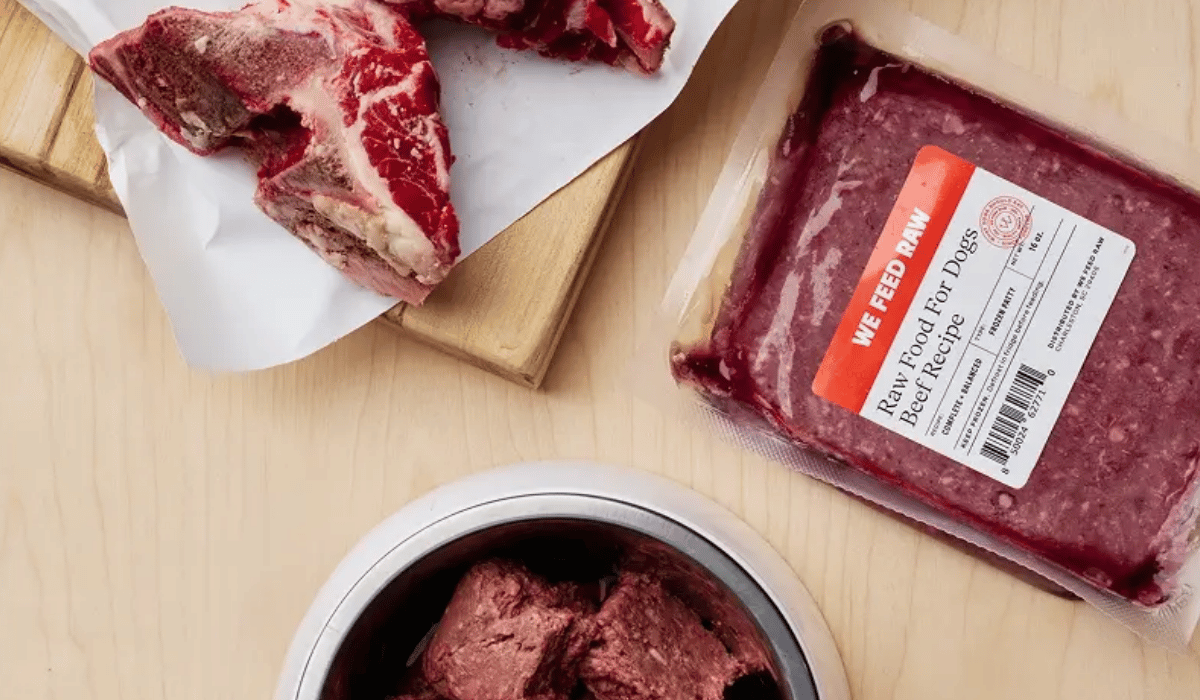
Starting a raw dog diet comes down to three choices made in order: Pick commercial or homemade with clear eyes, portion by math instead of instinct, and transition over seven to 10 days while you watch stool, weight, and energy. Get those right, and the rest becomes routine.
After 35 years of veterinary practice and watching dogs eat their way to better health, I can tell you the owners who succeed with raw aren’t the ones who know the most. They’re the ones who start carefully.
Your dog only needs you to get the first two weeks right. The diet takes it from there.