
- Your Dog Ate Chicken Bones, What To Do? Here Are 5 Important Steps To Follow - July 15, 2022
- How To Stop Dog From Licking Paws – Break The Habit! (Top Causes & Easy Solutions) - February 8, 2022
- 7 Best Fresh Dog Food Delivery Services - December 12, 2019
Before beginning any diet, it’s important to consider your goals, as well as your lifestyle and health. Be sure to take the same considerations into account when you’re looking for the right diet for Fido. Consider his individual needs–his lifestyle, activity level, medical history, and nutritional needs. These vary for every dog. A raw food diet may not be best for all dogs, but can certainly be good for some.
Advocates for a raw diet believe it can result in a shinier, healthier coat; healthier skin; more effective immune system; higher energy levels; more muscle; and better overall health for your dog. Many cite the fact that in the wild, dogs ate a completely raw diet, consuming what they could catch or find, and so, in fact, a raw diet most closely approximates a dog’s natural diet. Opponents of a raw diet worry that it puts your dog’s health at risk, potentially exposing him to parasites and other dangers, as well as failing to provide a balanced diet.
What is a Raw Diet?
- raw vegans
- raw vegetarians
- raw omnivores
- raw carnivores.
Raw vegans consume no animal products, whereas raw vegetarians consume plant-based products, as well as dairy products and eggs. Raw carnivores forego all cooked meat, but consume raw meat. Raw omnivores enjoy both plant-based foods and animal-based foods.
In the dog world, there are two raw diet models, Prey and BARF.
The Prey Model Raw Diet
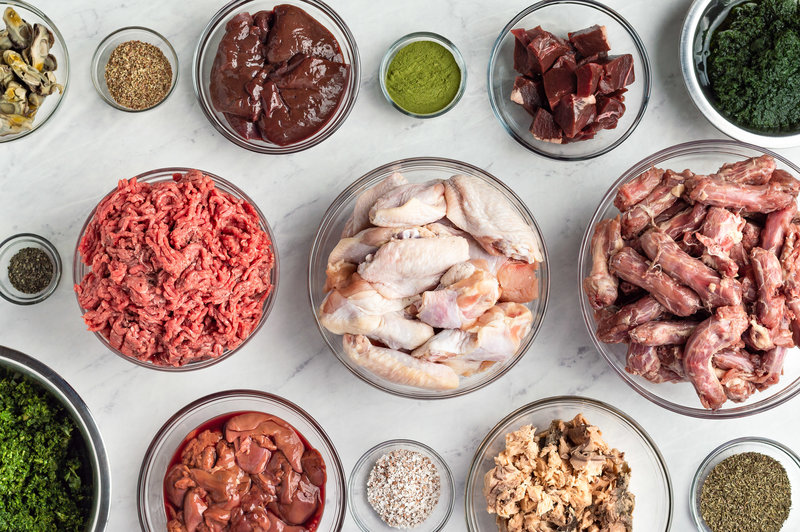
Largely based on the diet of a wolf in the wild, the Prey Model requires strict adherence to a meat-only diet, and is the school of thought that the only food fit for Fido’s consumption is animal-based food, which proponents believe can provide all the nutrients necessary to sustain Fido’s health. Under this model, Fido will never eat a supplement or vegetable–or any plant-based or commercially produced food. The only exception to this rule is if you have no access to wild fish, in which case the Prey Model allows for a supplement that includes Omega-3 oil.
While feeding Fido nothing but meat sounds simple, you do have to make sure he’s getting a variety of animal products from a variety of sources. The Prey Model recommends 5-10% of the meats Fido consumes be organ meat, such as from the liver, lungs, kidneys, etc.. Ten to 15% of the animal products Fido consumes should be raw, edible bones, and 80-85% of Fido’s Prey Model raw diet should consist of muscle meat.
In addition to establishing a proper ratio of organ meat to bones to muscle meat, under the Prey Model, providing Rufus with a variety of meat sources is also important. Do not limit him solely to chicken and beef, for example, but also provide bison, elk, deer, fish, duck, and rabbit, to name a few. These are all animals dogs would likely consume in the wild, and providing a variety can help you ensure Rufus is getting a balanced diet.
The BARF Model Raw Diet
Some contention exists regarding the ratio of animal-based products to plant-based products and supplements under the BARF model, with some experts recommending no more than 15% of your dog’s diet be composed of plant-based products and others advocating for up to a third of your dog’s diet consisting of plant matter.
Which Raw Diet is Right for Rover?

Why Feed Raw?
- concerns about the ability to provide complete and balanced nutrition
- risks of parasites and diseases, particularly from raw meats
- dangers of punctures from bones (though raw bones are generally malleable and safe)
- concerns about having the time to properly prepare Rover’s raw food
- worries over the financial cost.
Despite these concerns, many pet parents opt for raw diets for a variety of reasons, some of which were already discussed above, including:
- a shinier, healthier coat
- healthier skin
- stronger immune system
- more energy
- more muscle
- better overall health.
Further benefits can include:
- healthier digestive tract and firmer stools
- fewer allergy symptoms
- healthier body weight.
Advocates for a raw diet also believe it results in healthier teeth and gums, better breath, and fewer medical complications. Some people choose to feed their dog a raw diet due to their belief that commercial dog foods are actually harmful to their furry friend’s health and longevity. Still others simply feel good about feeding their dog the closest possible food to what his ancestors consumed: raw, unprocessed foods. They feel this is the most natural and thus the most appropriate diet for their best friend.
Recommended Raw Foods
When deciding which brand or product would be best for your dog, there are five things to keep in mind. First, make sure the food contains high-quality meat. Ideally, the food will consist mostly of lean muscle meat, with a fat content between two and 13%. Second, in addition to lean muscle meat, make sure the food contains organ meat, keeping in mind that heart meat qualifies as muscle meat; organ meat comes from organs such as the liver and kidney. Third, make sure the food contains bone. Ideally, the calcium content will fall between 0.75 and 1.5%. Fourth, fat content should not exceed 15%, and ideally should stay below 13%. Finally, in diets that include vegetables, carbohydrates will be present, but levels should be low. In addition, the finer ground the vegetables are, the more easily your dog can absorb the nutrients they contain.
DIY Raw Foods
- The ratio of calcium to phosphorus should be 1:1. To help guarantee you achieve this ratio, remember that meats contain a significant amount of phosphorus, while bones offer calcium. Some foods also offer a balanced ratio on their own. These include tripe, eggs, fish, and whole prey.
- Fifteen percent or less of the diet should consist of organ meat, with liver included once a week.
- Don’t shy away from feeding your dog parts of the animal you might usually throw away, such as the tail, trachea, or feet. Some of these parts are loaded with nutritional benefits for Bingo.
- Some meats, such as salmon and pork, can be prone to parasites. To reduce the risk of their transfer from the meat to your dog, freeze such foods for two weeks prior to serving.
- While raw bones are safe for Fido, never offer him cooked bones, which can be brittle and prone to breaks, which can then result in sharp edges that can puncture your dog’s intestines. Always supervise your dog when giving him even raw bones.
- If possible, provide meat from younger animals or animals that have been grass-fed and hormone-free.
There are several foods you want to make sure you include in Rover’s raw food diet. These include:
- Raw, meaty bones (RMBs), such as pork necks or beef ribs
- Organ meat in one or two meals each week
- Tripe from grass-fed animals in two or more meals each week
- Muscle meat in several meals each week
- Eggs (with the shell if farm-fresh; without if commercially sourced) two or more times per week
- Supplemental fruits or vegetables that have been steamed or juiced.
You can find a beginner’s raw dog food recipe here. Remember, you want to avoid feeding Fido the same recipe over and over again, so don’t limit yourself to one favorite food. Instead, be sure to provide various meals that include various nutrients. Find three additional recipes here.
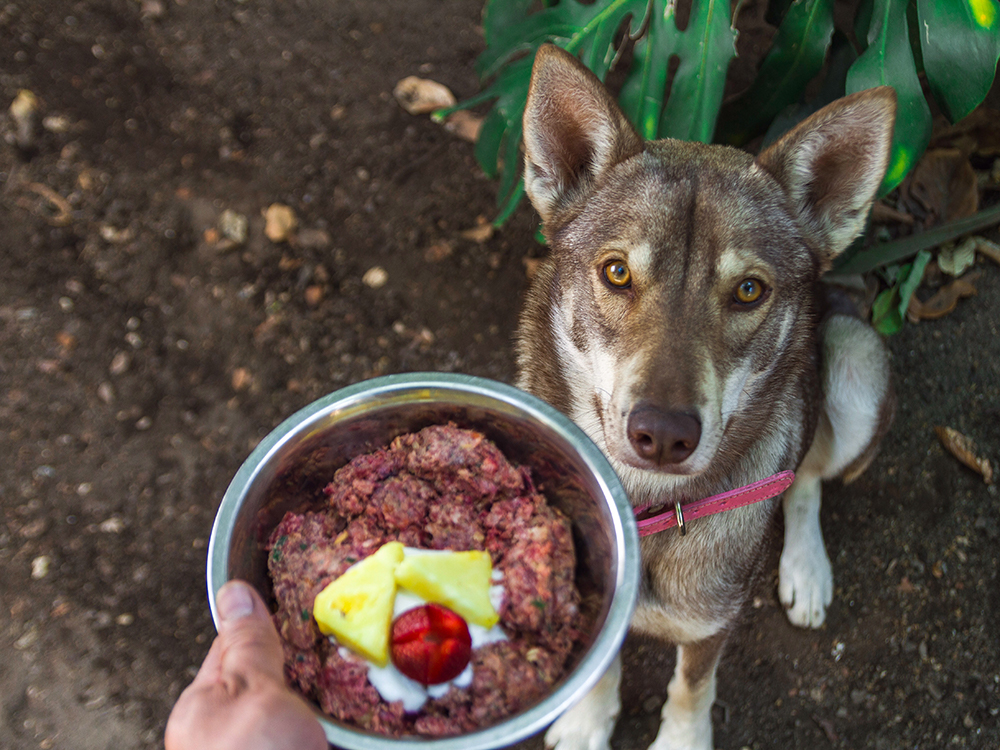
Is Raw Right for Rufus?
Continue reading:
Top 5 Rated Best Raw Dog Food Delivery (Buyer’s Guide 2022)
Valiant Pet Nutrition Raw Frozen Medallions Adult Dog Food Review
Healing From Within: The Best Dog Foods for Hypothyroidism