
- How Often Should Pet Owners Hire a Cleaning Service? - October 30, 2026
- Best High-Protein Dog Food - October 28, 2026
- Raw Diet and Pet Dental Health - October 22, 2026
If you have pets, you’ll know they can be great companions, bringing lots of love into your home. But they can also make a mess, from shedding fur and dander to muddy paw prints and lingering odors.
The truth is, whether you’ve got dogs or cats, keeping a pet-friendly home clean takes much more effort than maintaining a household without animals.
For many people, hiring a professional cleaning service is the answer. But how often should you hire a cleaner if you’ve got a pet? The answer depends on several factors, including how many animals you have, how much they shed, whether anyone in your household has allergies, and the type of flooring in your home.
At a Glance Time Assessment

Everybody’s ideal schedule will depend on personal needs and circumstances. These are some suggested time frames for a professional cleaning schedule that might suit pet owners.
| Household Needs | Suggested Cleaning Schedule |
| One or two low-shedding pets, hard floors, no significant allergies | Every two to four weeks |
| One heavy-shedding pet or a home with several pets | Weekly or biweekly |
| Pets and household members with allergies | Weekly, together with regular upkeep between visits |
| Multiple pets, carpets, and frequent indoor activity of pets | Weekly |
| One or two pets in a well-maintained home with daily upkeep | Biweekly or monthly |
It’s best to adjust the frequency according to how quickly your home becomes dirty, the level of cleaning you can manage yourself, and your budget.
Household Cleaning Services and Pets
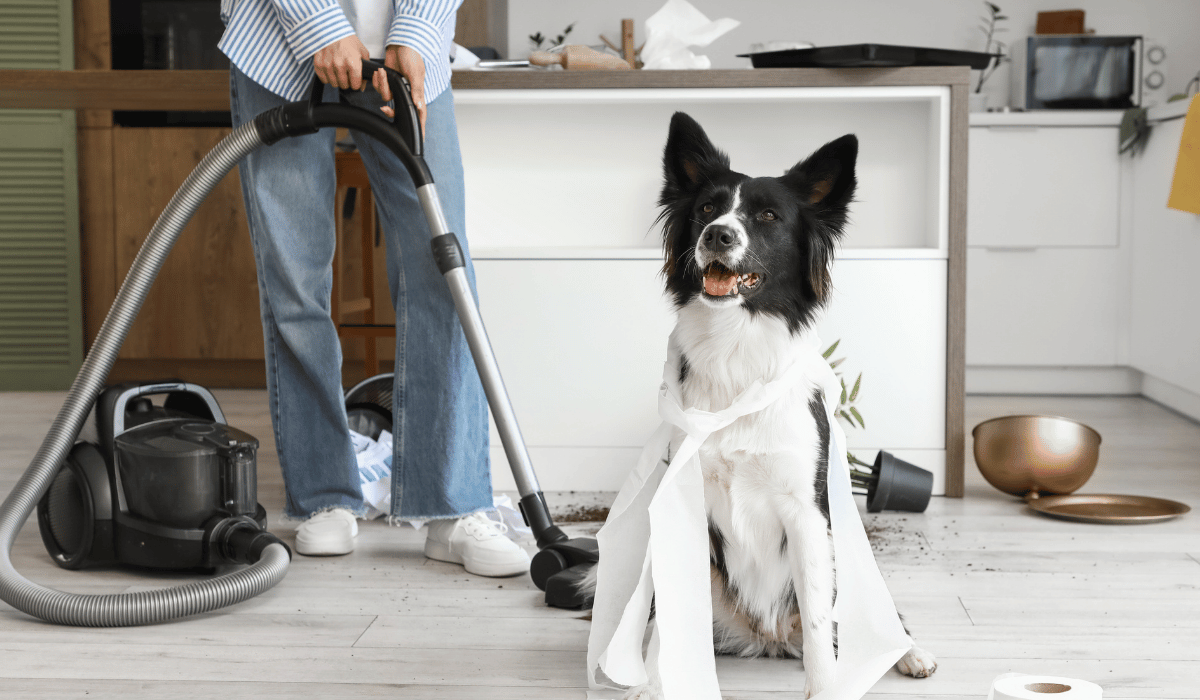
One thing cleaning services seem to agree on is that you’re going to need additional cleaning if you’ve got pets. You may need to hire cleaners more often or for a little longer, and you should opt for a deep cleaning at least twice a year.
The challenge is that most cleaning companies and online platforms don’t include pet-related mess in their standard cleaning schedules. They might state that they are pet friendly, but generally, they will only cover common tasks like vacuuming fur and dander and mopping up obvious paw prints.
It’s more common for online platforms that connect customers with local cleaners to suggest ensuring the professional you choose is willing to handle pet-related cleaning. Some do broach the subject of time and their approach to pets.
We considered four cleaning service platforms/apps to see if there is a common theme.
Homeaglow
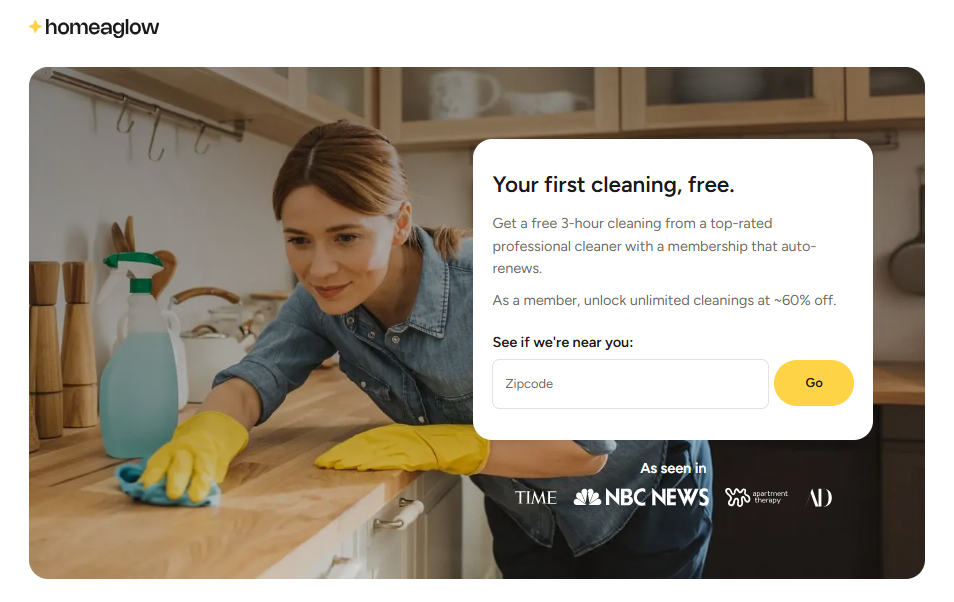
Homeaglow is a platform focusing on recurring standard cleaning services like floors, dusting, and general surface cleaning.
While many of the independent cleaners available through Homeaglow’s online platform are happy to work in homes with pets, cleanup of pet messes like vomit, feces, urine, and heavy pet stains are expressly excluded. Cleaning of pet messes is also excluded from deep cleaning services, which take roughly double the time of a standard cleaning.
However, they do state clearly that when pet owners choose a cleaner, they should make sure that specific person is comfortable with pets. This indicates it’s up to you to negotiate what individual cleaners will and won’t do regarding pet cleanup. While cleaners must comply with the general rules of the platform, they can agree to pet mess cleanup. They might rank it as an extra task, which, like all fees, is an amount that the cleaner sets in addition to the standard cleaning rate.
TaskRabbit
TaskRabbit is a marketplace app that enables customers to hire local “Taskers” for cleaning and other jobs. Like most other similar platforms, it’s the cleaners who set the rates.
Their website mentions the benefits of a pro cleaning service for pet owners. Specifically, they reduce allergens and help to eliminate asthma triggers, highlighting pet dander as one of the most problematic allergens found in carpets.
They advise pet owners to have their carpets professionally cleaned every six to nine months to get rid of pet hair, dander, and occasional accident stains and smells.
Thumbtack
Thumbtack is a booking app that enables users to compare quotes from cleaners and other contractors, including plumbers and electricians, all of whom set their own rates.
Stating that “pets, shoes, kids, and visitors” can bring certain “hazards” into your home, Thumbtack advocates deep cleanings once every six months. By focusing on removing grime and targeting areas that are hard to reach, deep cleanings help to eliminate built-up dander, allergens, and tracked-in microbes.
They also suggest that if you have pets that shed, you may need to clean your home more often. Regular cleaning, including dusting, wiping surfaces, and vacuuming, should take place at least once a week.
TIDY
TIDY is a platform that customers use to book recurring cleaning services and property management services aimed at Airbnb operations as well as households.
They say they “love pets!” and that they probably won’t be a problem. But this is more indicative of how pets behave than the mess they might have made. If you’ve got an animal that is large or aggressive, you may need to lock it up while the cleaner is working.
Nevertheless, they do recommend that pet owners, along with large families and those who have allergies, should have their homes cleaned weekly.
When it comes to cleaning up pet mess, TIDY states that removal of pet hair or odor treatment can add $10–$30 to a cleaning. Heavy pet mess might add even more to the bill, which will depend on the cleaner, who sets their own rate.
What Determines How Often Pet Owners Should Hire a Cleaner?
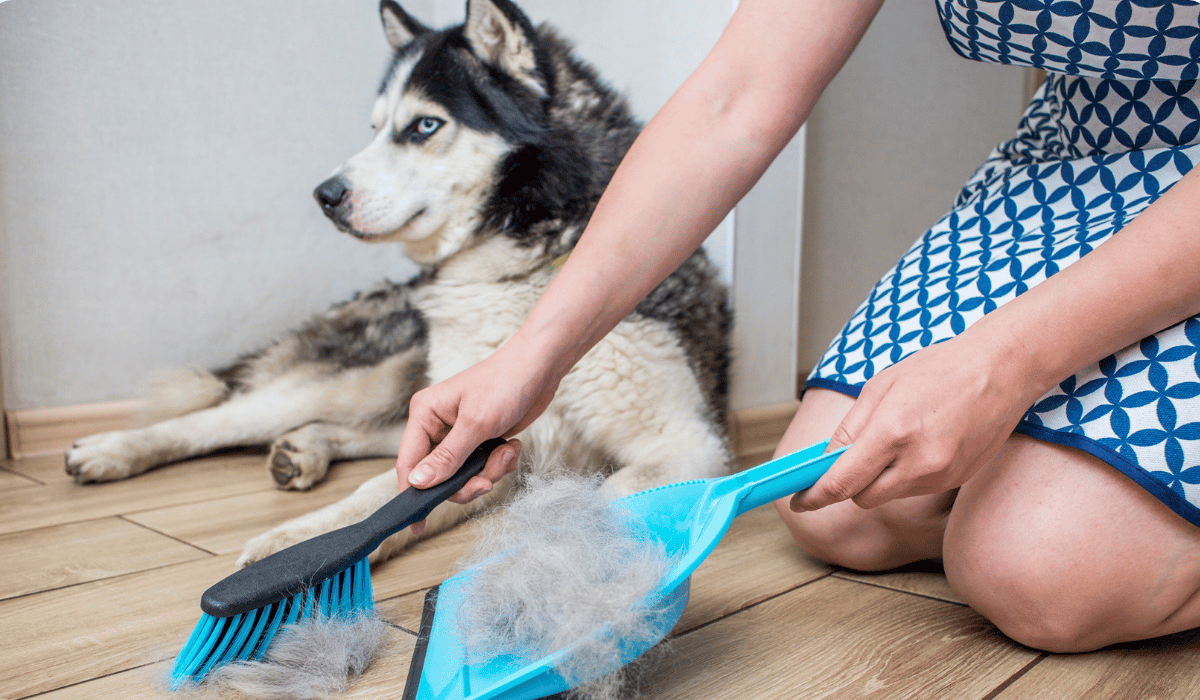
There’s no easy answer, especially because household cleaners don’t generally offer pet-specific cleaning services. They may clean up minor pet accidents like a bit of vomit, urine, or feces on the floor, but it’s not something you should take for granted. Generally, pet cleanup will add time to your bill, which means you’ll pay more.
But we’re here to offer solutions. So, we’ve come up with four universal factors that will likely influence how quickly pet-related mess builds up in homes:
- Numbers of pets
- Shedding frequency
- Allergies
- Flooring types
For this exercise, we’ve limited our ideas to cats and dogs. We are aware that some people keep mice, rats, rabbits, and other little creatures as pets, but they are usually contained in some sort of cage or enclosure.
It’s also true that not everyone keeps their pets indoors or outdoors all the time, which can impact a care schedule. For instance, indoor cats that shed may be more of a challenge, while dogs that are frequently outdoors may track in more dirt than those that are only taken out for walks.
How Many Pets Do You Have?
It stands to reason that one low-shedding dog or indoor cat may add relatively little work to your cleaning routine. But two or three cats and dogs can create considerably more hair, tracked-in dirt, and unwanted dander, particularly when they share sleeping areas or spend time on furniture.
Size and breed also play an important role. Here’s a useful starting point:
- One relatively low-maintenance pet: A professional clean every two to four weeks may be enough if you are able to keep up with routine household chores.
- Two or more pets, or one pet that sheds tremendously: Weekly or biweekly cleaning may be more practical, depending on shedding and how much time the animals spend indoors.
- Several pets with frequent indoor activity: Weekly cleaning will help prevent dirt and pet hair from building up on floors and surfaces, especially within shared living areas.
A large, well-maintained home with two short-haired dogs may need less frequent professional attention than a small apartment with one heavy-shedding dog.
How Much Do Your Pets Shed?
Shedding affects how quickly fur and dander accumulate on floors, furniture, carpets, rugs, and bedding. Some pets shed throughout the year, while others shed more heavily during specific seasonal changes. Hair can also collect in corners and baseboards, cling to upholstery, and mix with dust just about anywhere.
If your pets shed heavily, there’s a good chance you’ll benefit from weekly professional cleaning, especially for floors and dust-prone surfaces. Between visits, brushing your pets and vacuuming your home can help control buildup.
Homes with low-shedding pets will require less frequent cleaning, but they still introduce dirt, dander, and outdoor debris into the home.
Do Family Members Have Allergies?
In addition to fur, pet dander consists of tiny particles of skin that animals shed. These particles can become airborne or settle on furniture, bedding, and other surfaces. Pet-related allergens can also be carried in dust.
If someone in your household has allergies or asthma, regular cleaning may help reduce the accumulation of allergens. Vacuuming with a suitable filter, damp-dusting surfaces, and regularly washing pet bedding can all contribute to a cleaner, more livable environment.
A weekly professional clean is worth considering when symptoms or household conditions make frequent cleaning necessary. However, cleaning alone cannot eliminate pet allergens, and a standard cleaning service should not be treated as a specialized allergen-removal service.
What Type of Flooring Do You Have?
Flooring makes a difference to how visible pet hair is and how easily dirt can be removed.
- Hard floors: Tile, vinyl, and sealed hardwood are generally easy to sweep or vacuum, although fur and dust still collect along edges and under furniture.
- Carpets and rugs: These can trap hair, dander, and dirt, making frequent vacuuming important. Homes with heavy-shedding pets may need more frequent professional attention.
- Mixed flooring: Homes with both hard floors and carpets need a combination of sweeping, vacuuming, and appropriate floor care.
If your home has extensive carpeting, pets that spend a lot of time indoors are likely to make weekly cleaning more practical. Periodic pro carpet cleaning may also be necessary, depending on the condition of your flooring.
Choosing the Best Cleaning Schedule with Pets at Home

Having identified different cleaning service approaches to pet-specific cleaning, it’s reasonably clear they consider really messy elements as needing a specialist or deep cleaning. Yet the most popular cleaning service is standard cleaning, and it will only tackle routine household tasks such as dusting, cleaning floors, and sanitizing surfaces.
Additional tasks you might need cleaners to tackle include:
- Carpet and upholstery cleaning: Embedded hair, staining, and accumulated dirt may require specialized equipment or a dedicated carpet or upholstery cleaning service.
- Persistent odors: Unpleasant odors might remain after standard cleanings. For instance, pet urine can penetrate carpets and may require an appropriate, specialized treatment.
- Heavy contamination or accidents: Significant pet messes, extensive soiling, or repeated accidents will fall outside routine cleaning.
- Allergen concerns: Standard dusting and vacuuming can reduce some surface debris, but it won’t guarantee allergen removal.
Be sure to confirm what a required service should include before booking.
What Can You Do in Between Pro Cleanings?
It’s important to realize that hiring a cleaning service isn’t going to remove the need for everyday pet-related upkeep. Pro cleaners come and go; your pets don’t. The answer is for you to handle the mess that develops every day, while a regular cleaner helps prevent ordinary dirt and dust from accumulating throughout the home.
Division of labor makes professional cleaning more effective. Some tasks are best handled as soon as mess occurs, while others can wait for your next scheduled visit.
Clean up accidents promptly, wipe muddy paw prints and spills as they happen, and remove pet hair from frequently used areas. It’s also important to keep food and water areas tidy, and cat owners should be sure to scoop litter trays and replace sand when needed.
If you can, vacuum floors and rugs, especially around pet beds and favorite resting places, and wash pet bedding and blankets regularly. Also, clean food mats, bowls, and the surrounding area.
Bottom Line: What’s the Best Cleaning Schedule for You?
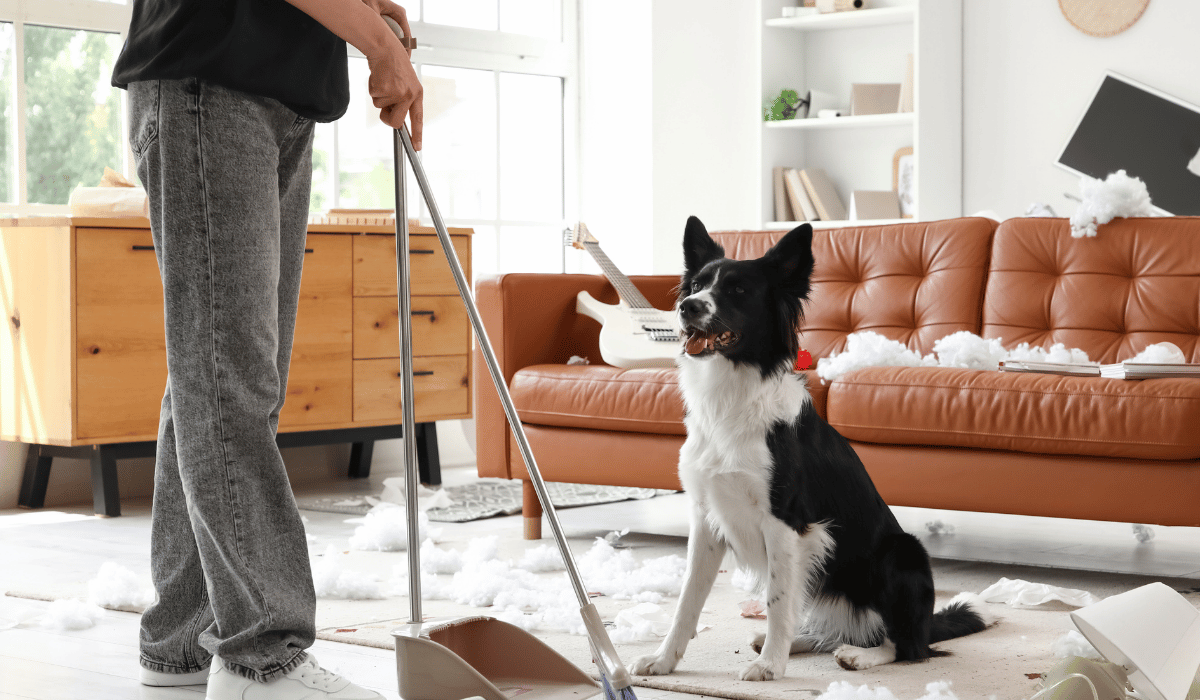
Start by assessing how quickly pet hair, dirt, and odors build up in your home. If floors become visibly dirty within a few days, weekly cleaning may make sense. If you have one low-shedding pet, easy-to-clean flooring, and time for regular upkeep, biweekly or monthly professional cleaning may be enough.
You can also start with a biweekly schedule and adjust after a few visits. If dirt accumulates too quickly, increase the frequency. If your home stays manageable between visits, you may be able to book less often.
The goal is to keep pet hair, dirt, and odors manageable so you and your furry, four-legged companions can enjoy a cleaner, happier home together.