
- Raw Diet and Pet Dental Health - October 22, 2026
- Fresh vs. Kibble Dog Food - October 22, 2026
- Mixing Raw and Kibble Dog Food - September 8, 2026
If you start talking to people who are in the raw feeding community, you may hear a lot of confident claims that raw diets are better for a dog’s teeth. You’ll likely hear that it leads to less plaque and tartar, cleaner-looking teeth, better breath, and lower risk of periodontal disease.
Some of these claims have some truth behind them, but a lot of them are owner observations that haven’t quite been proven yet. That doesn’t mean a raw diet isn’t beneficial or that it’s bad; it’s just important that you understand the truth and what has and hasn’t been proven.
Most raw food itself is soft; a ground patty doesn’t scrub anything. When raw feeding appears to support cleaner teeth, one likely reason is what may come along with it, including raw meaty bones, whole cuts, and other things that make a dog actually chew their food instead of mostly swallowing it. This is important to understand because that means the dental benefit depends on how you feed, not just whether you are giving your dog raw food or not.
Either way, raw feeding is not a replacement for brushing, veterinary dental exams, or professional cleanings. No diet is. Dental disease is one of the most common health problems vets see in dogs, and diet is only one piece of preventing it.
How Does Chewing Affect a Dog’s Teeth?
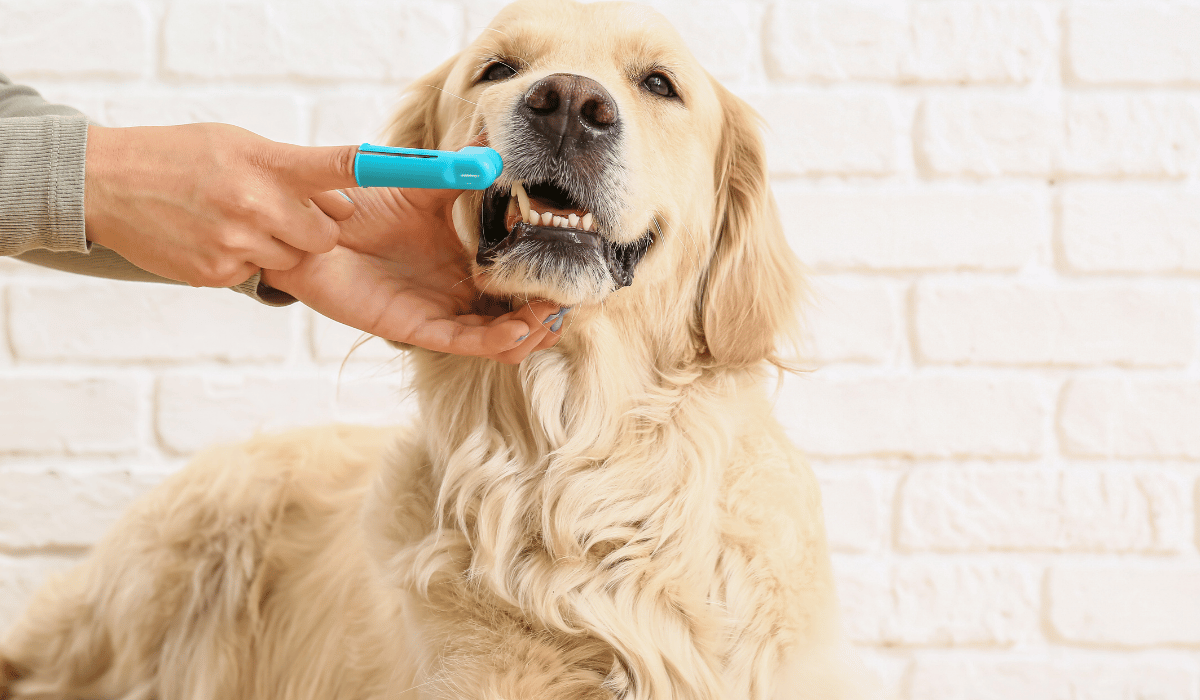
When a dog chews on food or a dental product with the right texture, the material creates friction against the tooth surface, and that friction can scrape away some of the plaque and calculus sitting on the exposed parts of the tooth. This is something that is backed up by research; products that make dogs chew longer and harder have been shown to reduce plaque and calculus buildup, which is the entire basis of the dental chew industry.
But how does that differ from a dog that’s eating kibble? Wouldn’t it do the same thing? Surprisingly, no. Most standard kibble foods break apart very quickly, so most dogs swallow it with minimal chewing, so there’s very little scrubbing going on. There are specially designed kibbles that hold up better and are meant to encourage chewing, but generally speaking, kibble is mostly swallowed almost immediately.
There are two things to understand about chewing and the idea that it cleans the teeth.
First, chewing only cleans what it touches. The mechanical action works on surfaces the material actually contacts. It doesn’t necessarily reach below the gumline, and the area under the gumline is where periodontal disease shows up. A dog can have visibly white teeth that look really nice, but that doesn’t mean they don’t have gum disease.
Second, evidence for dental chews isn’t automatically evidence for raw food. The fact that chewing in general can reduce plaque doesn’t prove that every raw diet provides the same effect, especially because raw diets vary enormously in texture, from soft ground formulations to whole cuts a dog genuinely has to work to eat.
What Role Does Bone Play in Raw Feeding and Dental Care?
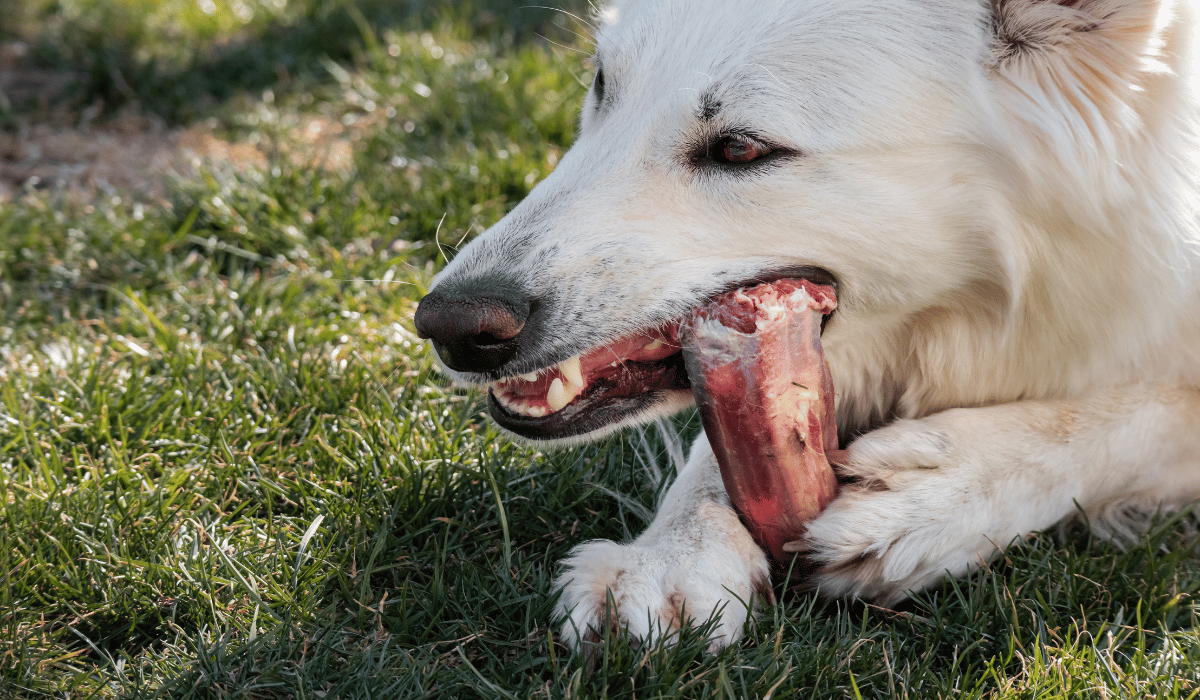
When discussing how raw food helps a dog’s dental health, many people point to the fact that it includes “bone” in it, and that’s why it works. But “bone” can mean very different things. It could be ground bone incorporated into a complete raw formulation, mainly as a calcium and mineral source, or a whole recreational bone that a dog actively chews on.
In commercial raw food like ground patties, the bone is ground into the food. This alone likely won’t lead to better dental health because it doesn’t make the food hard enough for it to scrape the surface of the teeth. It’s helping the food be nutritionally complete, but once bone is finely ground into a soft patty, it’s not hard. If someone tells you their ground raw diet cleans teeth because it contains bone, this really isn’t accurate.
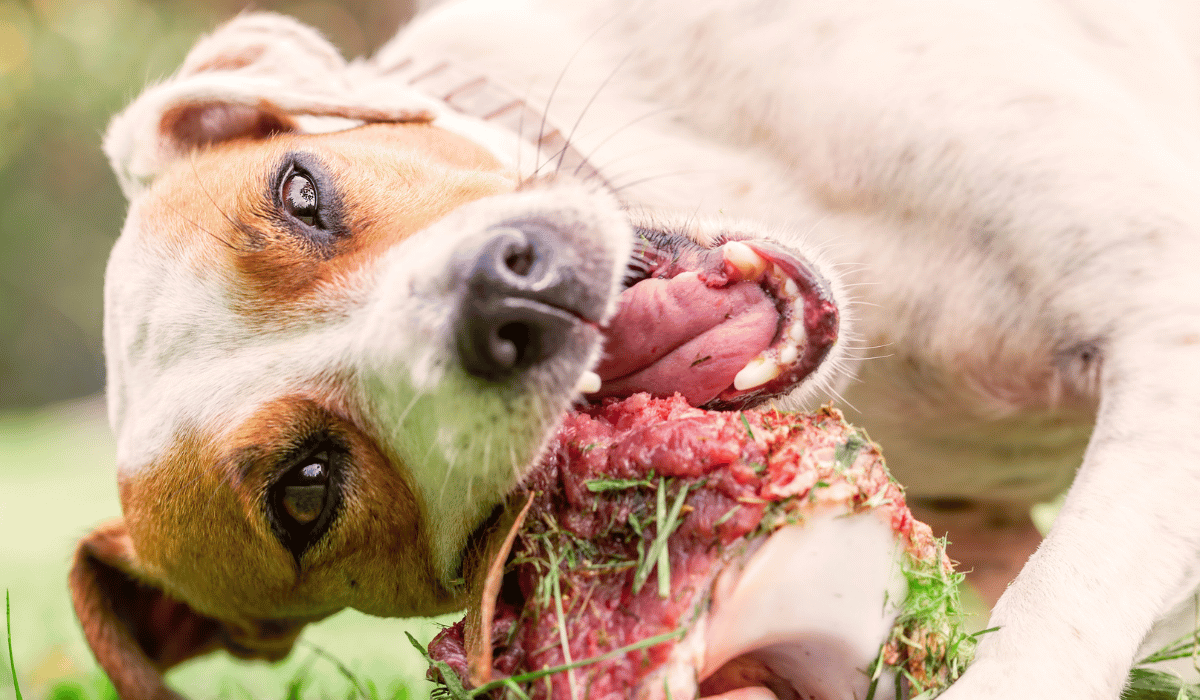
Whole bones are more relevant to the dental-health discussion because they require prolonged chewing and may provide mechanical cleaning, and raw meaty bones have often been a part of many raw feeding styles, especially those that are doing DIY or incorporating the prey-model approach.
One thing to consider is that whole bones aren’t risk free. Depending on the bone, the dog, and how aggressively they chew, whole bones can fracture teeth or cause injuries to the dog’s mouth. Dogs could also break off and swallow bone fragments or large chunks, which could lead to choking, constipation, intestinal blockages, or in rare cases a puncture in the digestive tract. Cooked bones are much more likely to do this because of how they splinter off, but raw bones do still present risk.
What Does the Research Actually Say About Raw Diets and Dental Disease?
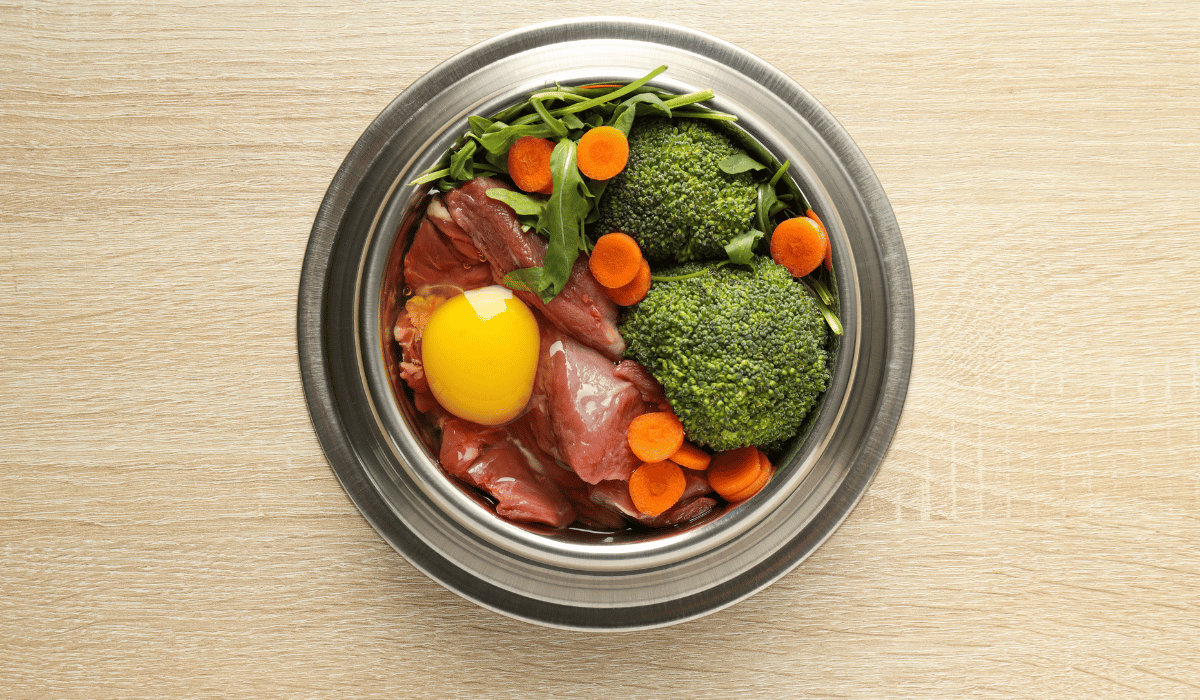
Now that we’ve explored what it is that may lead to better dental health when it comes to raw food, it’s helpful to look at what the research says.
- Studies of chewing and calculus removal: These are the strongest evidence, but they measure a mechanism (chewing reduces buildup), not a diet. They apply to raw feeding only to the extent that the raw diet involves real chewing, so this is very dependent on the specific type of raw food that is being provided.
- Observational studies of diet patterns and later dental disease: Researchers have reported that dogs fed non-processed meat-based diets during weaning, puppyhood, and adolescence had a significantly lower reported risk of dental calculus later in life. This is interesting, but it is currently just an association, which doesn’t prove the diet prevented the issue.
- Anecdotal owner reports of cleaner-looking teeth: There are many anecdotal reports from owners that claim their dog’s teeth are much whiter, cleaner, and healthier looking when they’re on a raw diet. But, as noted above, even assuming this is true, it doesn’t necessarily mean their dental health is better.
The evidence is definitely still developing, but currently, raw feeding has not been clinically proven to prevent periodontal disease. What has been shown is that chewing matters, diet texture matters, and none of it replaces the basics, like brushing your dog’s teeth and taking them to get regular dental exams and cleanings when recommended.
Can Raw Feeding Help with Bad Breath?

Better breath is often one of the first things owners mention after switching their dogs to raw, sometimes within a couple of weeks. There are realistic reasons this could happen. If a dog has less visible plaque, chews more, and leaves less food debris around the teeth and gums, that may help reduce some of the conditions that contribute to bad breath. This is very specific to the type of raw food being fed, though, considering many raw foods are soft and do not provide much mechanical cleaning.
In general, bad breath is always something to pay attention to. It’s not usually only a diet issue. Bad breath in your pup is often a symptom of something else going on, and is associated with:
- Gingivitis
- Periodontal disease
- Infected or fractured teeth
- Other oral health problems
Raw feeding may genuinely make some dogs’ breath smell better, but always keep an eye on this, and don’t assume bad breath is always diet-related.
How Does the Texture of Raw Food Affect Dental Health?

“Raw” describes what the food is, not what it feels like to chew and whether or not it makes the dog chew more, which is what’s most important when it comes to how it affects dental health. There are different types of raw foods:
- Ground raw patties are soft, similar in texture to ground beef. They’re easy to portion and easy for dogs to eat, but they don’t provide much mechanical scraping.
- Whole cuts of meat require real tearing and chewing, which means more time working the jaws and more contact between food and teeth.
- Raw meaty bones involve prolonged, effortful gnawing, and they’re the part of raw feeding most relevant to the mechanical-cleaning discussion.
This means two dogs can both be “raw fed” and have completely different experiences with their dental health related to their diet. Commercial raw foods such as We Feed Raw sit at the soft end of this spectrum by design. The recipes are built primarily from meat, organs, and ground bone, and the bone is really to make sure that the food is nutritionally complete and easy for your dog to eat.
If you feed ground raw and want the chewing benefits, the chewing has to come from somewhere else. Some raw feeders add separate chewing opportunities, including raw meaty bones or dental chews. Because whole bones carry some risks, ask your veterinarian what type of chew is appropriate for your dog.
What Else Affects a Dog’s Dental Health?
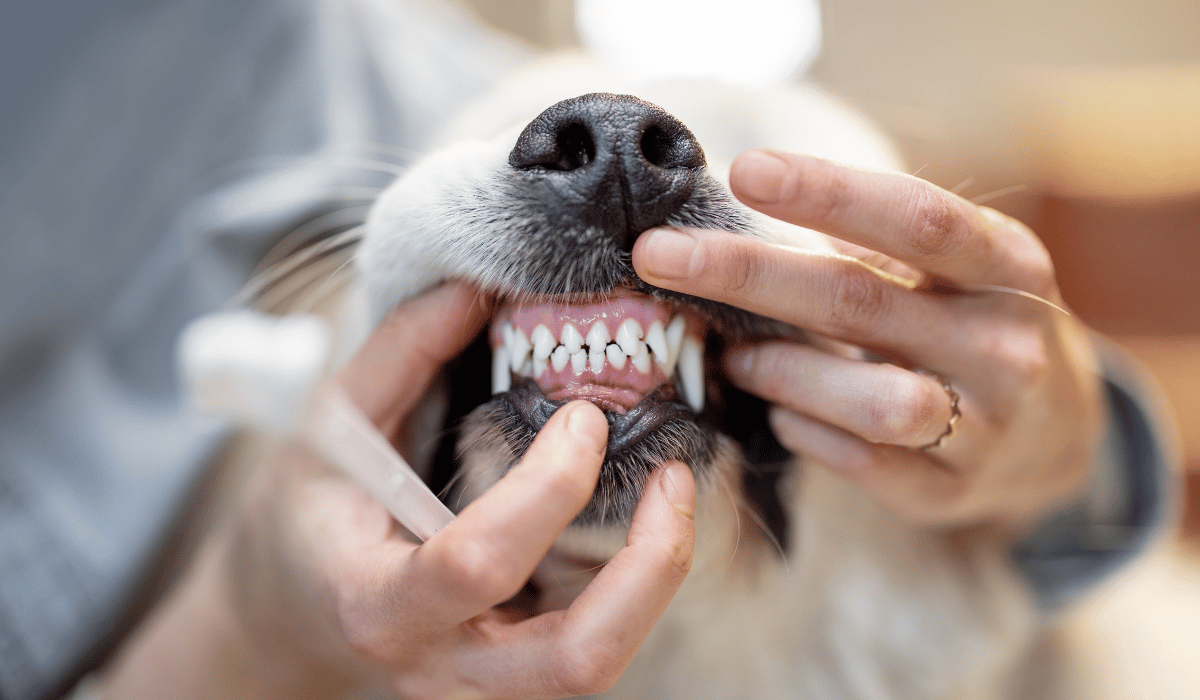
If diet were the whole story, dogs eating identical food would have identical teeth, but they absolutely don’t. There are so many factors that go into dental health, and it’s helpful to know what they are so that in addition to feeding them an appropriate diet, you can do everything else possible to keep your dog healthy.
Breed, Genetics, and Mouth Shape
Some dogs are simply more prone to dental problems. For example, smaller breeds of dogs seem to be much more prone to dental disease. A large UK study of more than 22,000 dogs found that dogs under 10 kg had more than three times the odds of periodontal disease, with breeds like Toy Poodles and King Charles Spaniels among the highest risk. Part of the reason is that their mouths are so small, their teeth get crowded, and plaque is more likely to get stuck in places where it’s difficult to reach, even with brushing.
Flat-faced breeds are another one that have been dealt a tougher hand from the start. They often have rotated and misaligned teeth in a shortened jaw. Genetics also influence gum health and how aggressively an individual dog forms tartar. Some build heavy deposits despite good care, while others stay relatively clean with very little help.
Age, Saliva, and Existing Disease
Dental disease is progressive, so as dogs age and plaque and tartar accumulate, gum disease becomes more likely. The American Veterinary Medical Association reports that most dogs show some evidence of periodontal disease by age 3. Saliva is also a factor; plaque combines with minerals in a dog’s saliva to harden into tartar, and that chemistry varies between dogs, affecting how quickly buildup forms.
Behavior and Care Habits
The rest mostly comes down to a dog’s behavior, daily habits, and the type of care they receive. Chewing behavior varies enormously. Some dogs really enjoy chewing on bones and dental chews, which can help their teeth. Other dogs have no interest, so they don’t get this added benefit.
Home dental care, especially regular brushing, is one of the biggest factors pet owners have control over. Plaque that sits on teeth for more than a couple of days hardens into tartar that brushing can no longer remove, so the more often you brush your dog’s teeth, the less likely plaque and tartar are to form.
Finally, the frequency of veterinary exams determines how early problems get caught. The American Animal Hospital Association’s dental care guidelines emphasize regular oral exams and professional cleanings because so much dental disease hides below the gumline, where owners can’t see it.
What Does a Good Dental Routine Look Like for a Raw-Fed Dog?
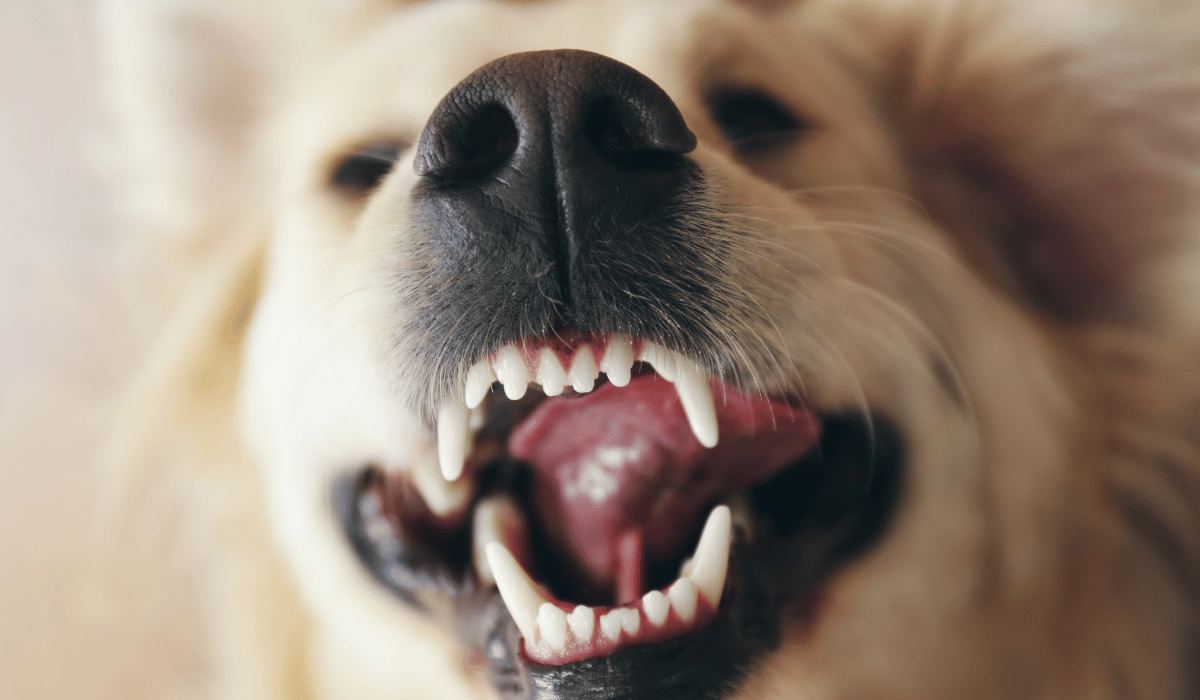
A raw-fed dog’s dental routine looks a lot like any dog’s, with a couple specifics related to the diet.
Feed a complete and balanced diet appropriate for your dog’s life stage: This is one of the most important things you can do. If you’re doing DIY feeding, you have to make sure that what you’re giving is adequate. If you’re choosing commercial raw food, make sure you choose one that explicitly says it is complete and balanced, like We Feed Raw. The right calcium, phosphorus, and overall nutrition is important for strong teeth and healthy gums.
Brush regularly: Brushing daily is ideal, but life gets busy and not everyone does this. Even just a few times a week would be a significant benefit. Also, make sure you use a dog-specific toothpaste; you don’t want your dog ingesting human toothpaste. If your dog has never had their teeth brushed before, start slowly. Just brush for a few seconds at a time with plenty of rewards.
Provide safe chewing opportunities if appropriate for your dog: This might mean a raw recreational bone a few times a week for a suitable chewer with your vet’s consent or dental chews for dogs that shouldn’t have bones.
Monitor your dog’s mouth: You are likely to be the first to notice if something is going on in your dog’s mouth, even if you can’t literally see periodontal disease. Keep an eye out for red or bleeding gums, heavy tartar buildup, cracked or broken teeth, unusually bad breath, chewing on one side of the mouth, facial swelling, or pawing at the mouth.
Any of these is a reason to call your vet rather than wait for the next appointment. Dogs are good at hiding pain, so by the time you notice something, it’s probably been around for a little bit.
Finally, always make sure to keep up with routine dental exams and follow through with professional cleanings when your vet recommends them.
Should You Feed Raw for Dental Health Alone?
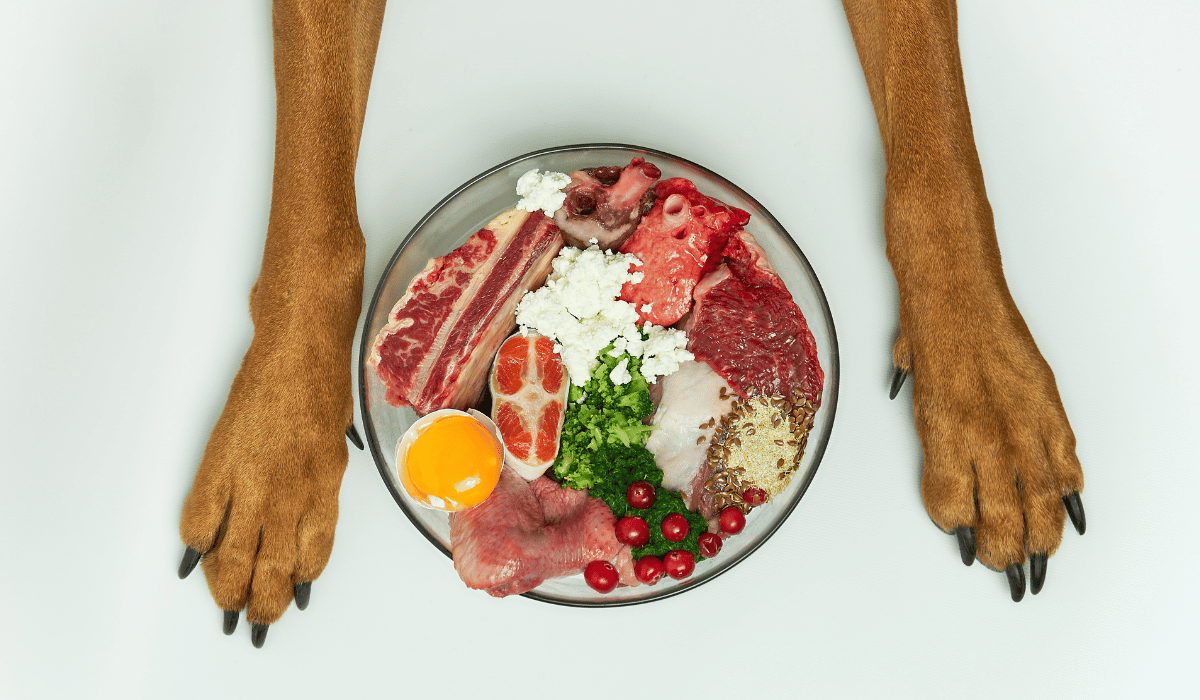
Probably not, but that’s not because raw feeding isn’t beneficial. If cleaner teeth are your only goal, changing your dog’s entire diet probably isn’t necessary. Brushing, appropriate dental chews, and veterinary dental care are more direct ways to address oral hygiene. Raw feeding makes more sense as a broader nutritional choice, with possible dental benefits considered to be one part of the picture.
Owners who feed raw usually do it because they want fresh, minimally processed food; animal-based ingredients; meat, organ, and bone as the foundation of the diet; and more control over where the protein comes from. Those are legitimate and reasonable reasons to choose a raw diet. If they appeal to you, then the possible upside of your dog’s breath smelling better and their teeth looking cleaner is a bonus you can factor in.
The Bottom Line on Raw Feeding and Dental Health
Raw feeding may support dental health in some dogs, but the strongest evidence relates to the mechanical benefits of chewing rather than raw food itself. Research looking specifically at raw diets and long-term dental disease is still developing, and much of what owners report about cleaner teeth and better breath remains anecdotal. Diet is best viewed as one part of a broader dental routine that also includes brushing, appropriate chewing, veterinary exams, and professional cleanings when needed.