
- Raw Diet and Pet Dental Health - October 22, 2026
- Fresh vs. Kibble Dog Food - October 22, 2026
- Mixing Raw and Kibble Dog Food - September 8, 2026
Plenty of dog owners feed both raw food and kibble, and the reasons are usually practical. Some are transitioning to raw gradually and want to do it right. Others are working within a budget, need the convenience of kibble for part of the week, or simply want more fresh food in the bowl without changing everything.
Whatever the reason, mixing is a legitimate way to feed a dog long term, not just a stepping stone to something else. Lots of dogs eat a combination of the two for years and do well on it.
What matters is getting the portions right and introducing the change gradually.
What Is Mixed Feeding?
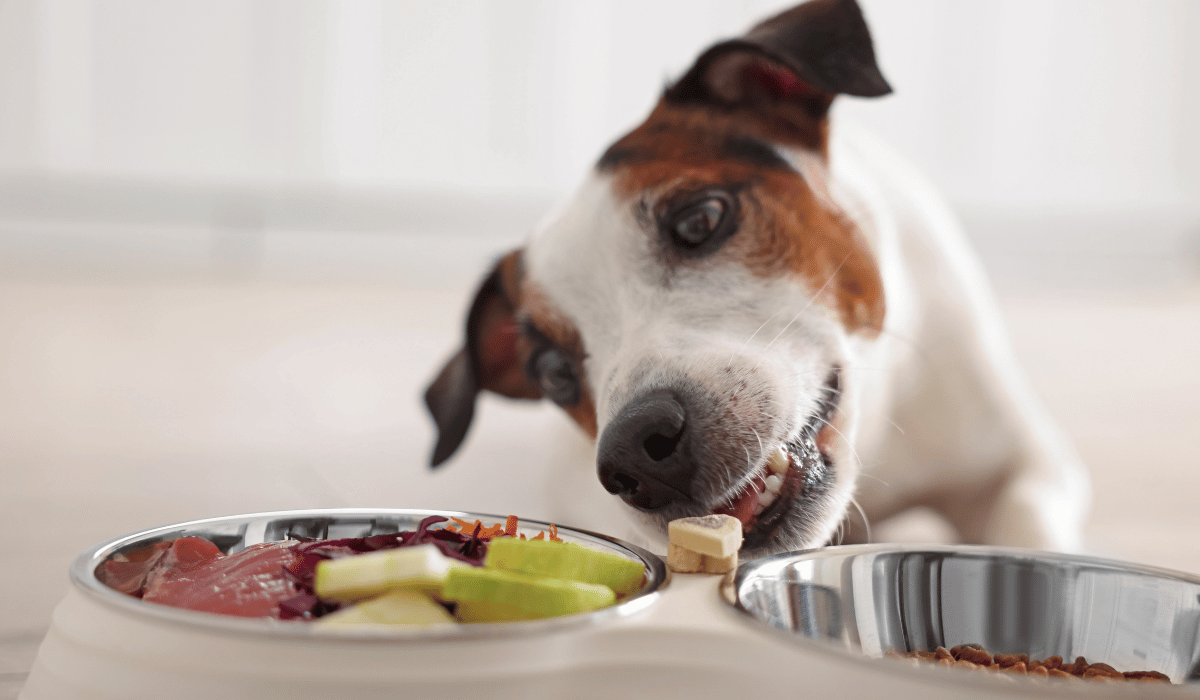
Mixed feeding just means raw and kibble are both part of your dog’s overall diet. It doesn’t require both foods in every meal, or even both foods every day.
How you split them up is flexible, and different owners decide on different arrangements depending on what fits their routine and what’s best for their pup.
Common Ways to Structure It
There are a few approaches people commonly use, and all of them count as mixed feeding:
- Same bowl: Raw and kibble combined in one meal, portioned so the total adds up correctly.
- Separate meals: Kibble in the morning, raw in the evening, or the other way around.
- Certain days raw: Full raw days mixed into an otherwise kibble week.
- Weekday and weekend split: Kibble during the week when mornings are rushed, raw on weekends when there’s time to thaw and portion.
None of these is more correct than the others. The structure should follow your routine, because the arrangement you’ll stick with is the one that works. A dog fed a consistent, properly portioned mix on any of these schedules is getting the same diet either way.
Is It Safe to Mix Raw and Kibble?
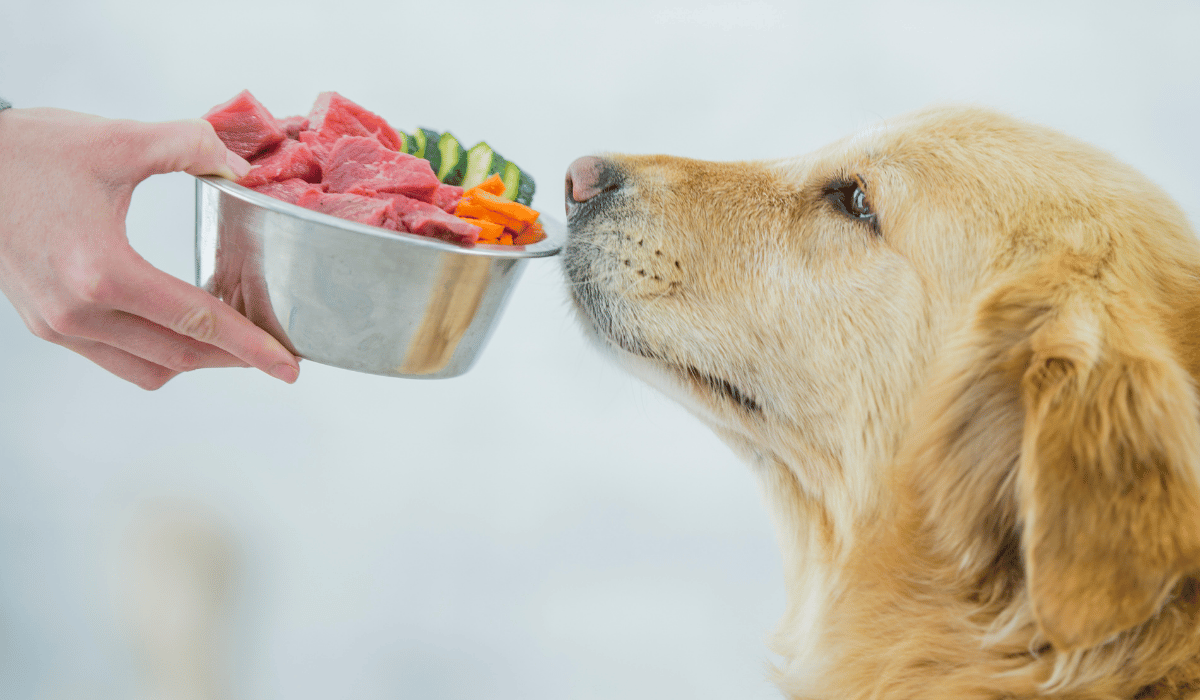
For healthy dogs, the short answer is yes. Dogs handle a combination of the two foods well when the change is introduced properly.
The longer answer has less to do with the mixing itself and more to do with which raw food you choose and how gradually you make the change. You may encounter claims that raw food and kibble must be separated because they digest at different rates or require different stomach conditions. There is no established veterinary guidance requiring healthy dogs to eat the two foods in separate meals.
What is real is a short adjustment period. Any diet change can produce softer stool or mild digestive issues for a few days, which is normal and temporary. It’s a reason to transition gradually, not a reason to avoid mixing.
Choosing the Raw Food
The real safety question isn’t whether raw can sit next to kibble in a bowl. It’s which raw food you’re feeding, because commercial raw and homemade raw are two different categories.
The level of nutritional oversight and pathogen control can differ substantially between homemade raw diets and commercially prepared raw foods.
With DIY raw, the owner is responsible for formulation, sourcing, handling, and safety. Reputable commercial brands may use complete-and-balanced formulations, controlled sourcing, high-pressure processing (HPP), and third-party testing.
For mixed feeding, the practical takeaway is simple. Choose a commercial raw food that is complete and balanced for your dog’s life stage and produced using clearly explained sourcing, testing, and food-safety controls.
Should You Mix Raw and Kibble in the Same Bowl?
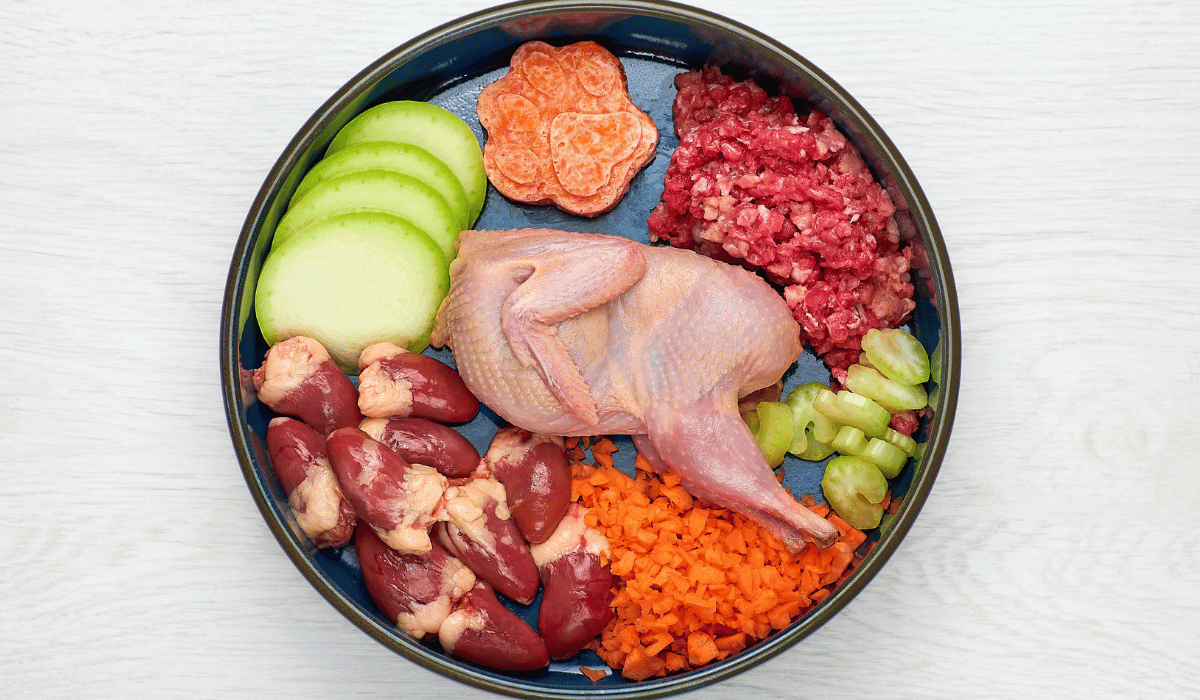
Yes, if that’s what works for your routine. There’s no safety or digestive reason to keep the two foods apart, and the same-bowl approach is the simplest version of mixed feeding. Some owners still prefer separate meals, and there are practical reasons for it. It’s easier to track how much of each food your dog is eating, which is important if you’re fine-tuning a ratio or your dog tends to pick around one component.
Separate meals also fit naturally around thawing, since frozen raw can defrost in the fridge during the day while kibble is fed in the morning. And in households where different people handle different feedings, kibble in the morning and raw at night might just be easier to coordinate.
Either way works, and plenty of owners do a bit of both depending on the day.
When to Talk to Your Vet Before Mixing Raw and Kibble Food
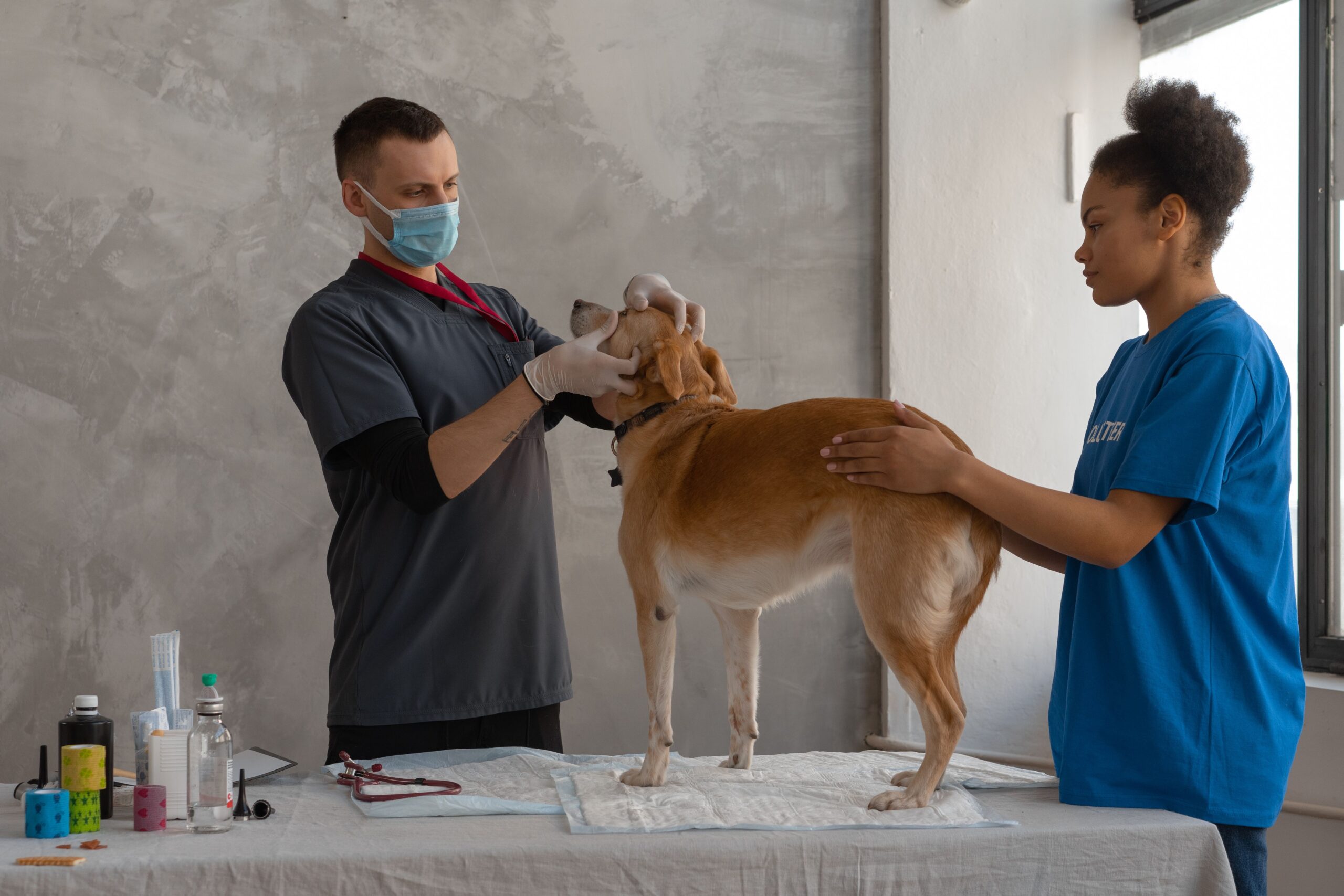
Many healthy adult dogs can transition to mixed feeding without a separate veterinary appointment. However, owners can always discuss significant diet changes with their veterinarian, especially if they have concerns about calories, weight, or digestion.
A few specific situations are worth running past your vet before changing anything:
- Puppies: Growing dogs have more specific nutritional requirements than adults and need more calories. A vet can confirm the mix you’re planning covers those needs at the right stage.
- Senior dogs: Senior dogs may have age-related changes in gastrointestinal function or underlying health conditions, so introducing a new diet gradually can make it easier to monitor how they respond. That doesn’t rule out mixing, but it may change how gradually you introduce it.
- Dogs with medical conditions: Kidney issues, a history of pancreatitis, food allergies, and digestive disorders can all affect what a dog should be eating and in what proportions.
- Dogs on prescription diets: If your dog eats a prescription food for a diagnosed condition, any change should go through the vet managing that condition, since altering the diet can undo what the prescription food is doing.
Anyone planning on a food change can consider speaking with their vet. If you feel nervous about the switch, don’t hesitate to run it past them, that’s exactly the kind of question vets are used to fielding. A quick conversation at a regular checkup is usually all it takes.
Finding the Right Raw-to-Kibble Ratio
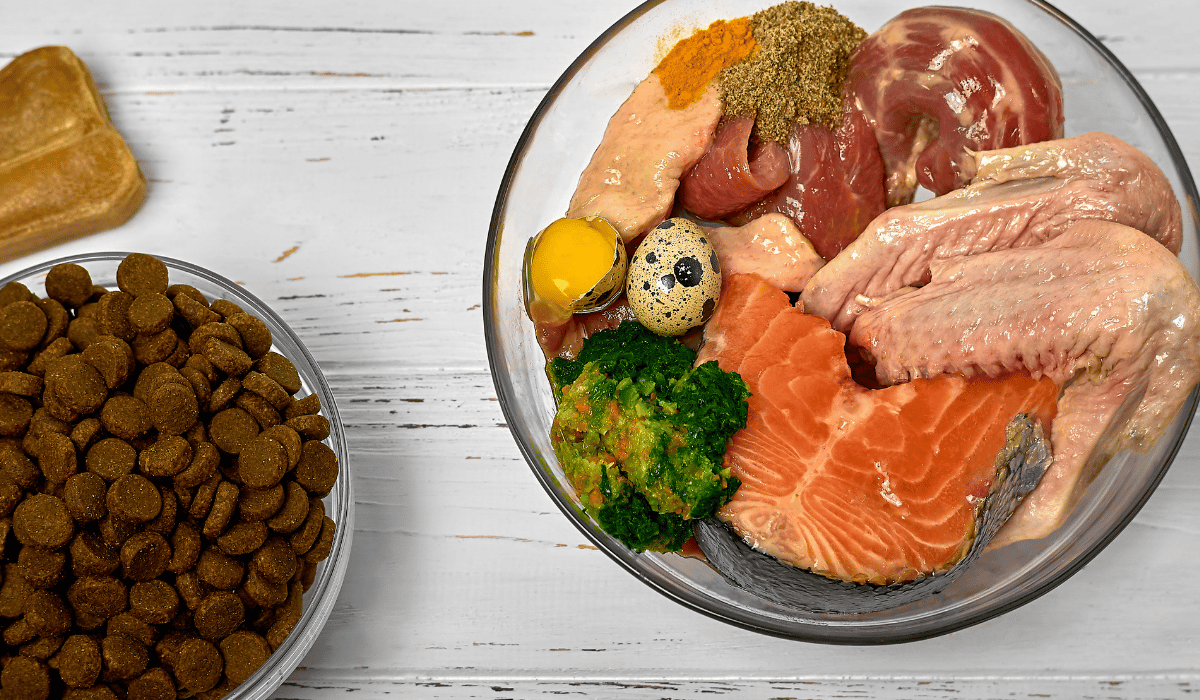
There isn’t one “perfect” ratio for mixing raw food with kibble; a lot depends on your dog, your budget, and your goals. Even if two dogs live under the same roof, they might end up needing different combinations.
The most important rule is that you balance portions based on calories, not just how much you scoop. This can be a little confusing at first, but it makes a big difference in keeping your dog’s nutrition and weight on track.
Step 1: Figure Out Your Dog’s Daily Calories
Start simple. Is your dog maintaining its weight currently? How much kibble (or other food) are you currently feeding each day, and what’s the calorie content? (You can find this on your kibble bag or, if you’re really unsure, ask your vet or use an online dog calorie calculator). Don’t forget to count treats that you give your pup.
For example: If your dog eats two cups of kibble a day at 400 calories each, that’s 800 calories a day.
If your dog has maintained a healthy weight and body condition on that amount, 800 calories may be a reasonable starting estimate. If your dog is currently gaining or losing weight, the existing portion may not reflect what they actually need.
Step 2: Check Calories in Each Food
Every blend and brand is different, so check your labels.
Kibble calories are often listed “per cup,” while raw food will usually be “per ounce” or “per patty.” Raw food has more water, so a scoop looks bigger but may actually contain fewer calories.
Step 3: Pick Your Ratio
Decide how much raw food you want to feed – 25%, 50%, or 75% of your dog’s daily calories, for example.
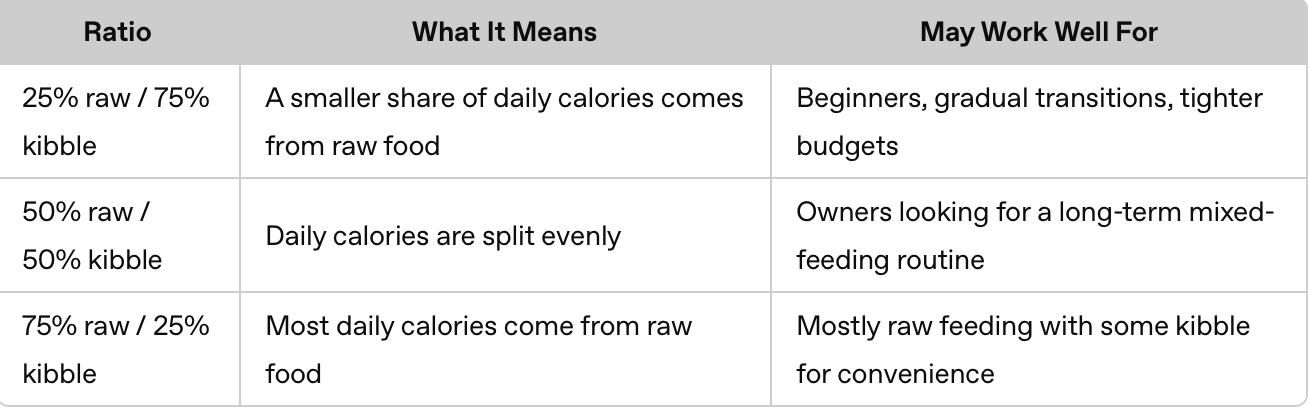
Step 4: Convert to Actual Portions
Use the packaging/calorie info to figure out the real amount you need of each food, based on your split.
So, if your dog needs 800 calories per day and you choose a 50/50 mix, 400 calories would come from kibble and 400 from raw food. If the kibble contains 400 calories per cup and the raw food contains 50 calories per ounce, that would equal 1 cup of kibble and 8 ounces of raw food per day.
Step 5: Know What Makes a Complete Diet
Calories tell you how much your dog is eating, but don’t automatically guarantee good nutrition. Look for a statement on the food saying the food is complete and balanced for your dog’s life stage under AAFCO standards. Foods that are only “for supplemental or intermittent feeding” are not intended to serve as a complete diet.
Step 6: Watch Your Dog and Adjust as You Go
No calculator or formula can perfectly predict exactly how much food your dog will need as you transition to mixed feeding. That’s why it’s important to pay attention and adjust portion sizes over time.
For the first few weeks, regularly check your dog’s body condition. Are the ribs under a thin layer of fat, or do you have to poke around to feel them? Does your dog have a defined waist when viewed from above? Are they looking or feeling too thin, or getting a little rounder?
Remember, every dog is different. Age, activity, metabolism, health changes, and even seasons of the year can affect their needs. If you tweak their portions, do it gradually. And when in doubt, talk to your vet.
Getting Help With the Numbers
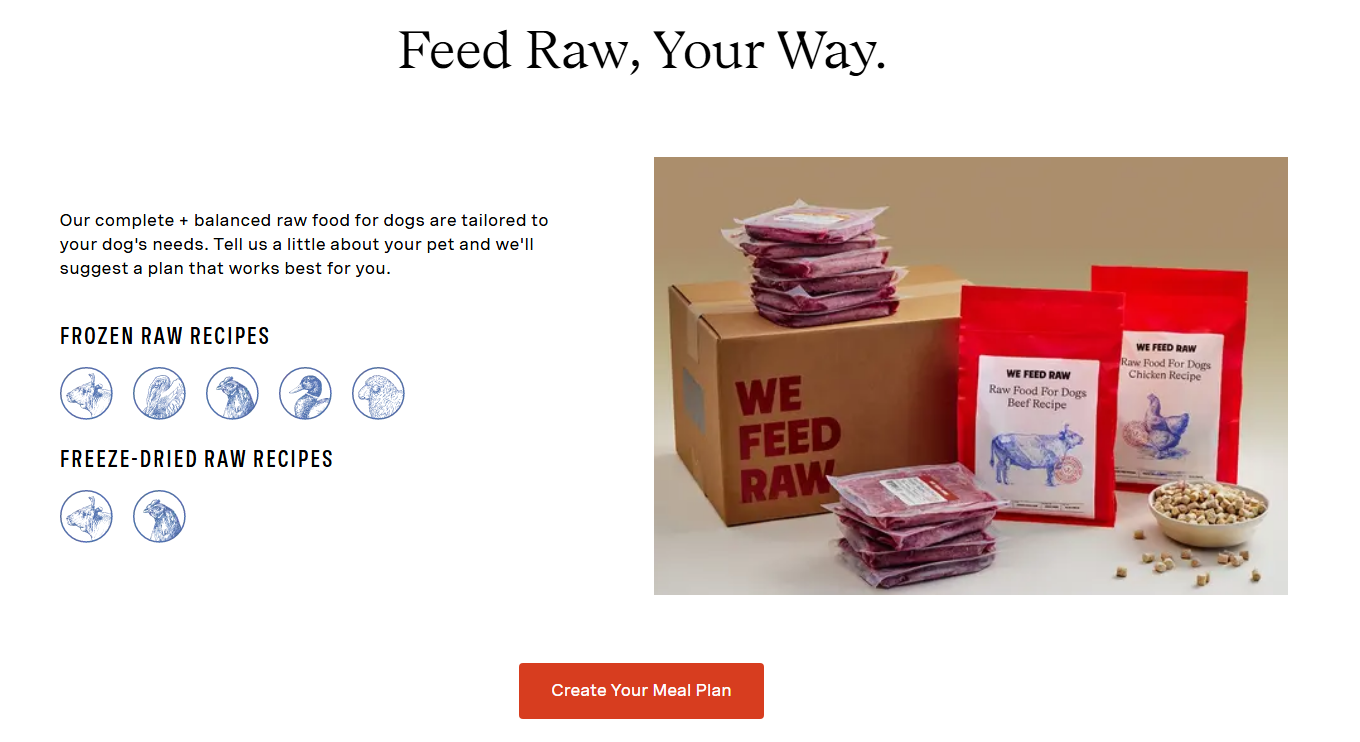
If you’d rather not work out calorie math by hand, this is a solvable problem. Many raw food companies, like We Feed Raw, build meal plans around your dog’s age, weight, and activity level. The portions come pre-calculated for the plan you choose, including mixed feeding alongside kibble.
The plans also show you exactly what’s in the food, down to the breakdown of meat, organ, bone, and added vitamins. For owners trying to get a mixed diet portioned correctly, that transparency makes it much easier to know what the raw half of the bowl is contributing.
A Sample Transition Schedule
A reasonable schedule for transitioning to raw feeding, consistent with We Feed Raw’s transition guidance, looks like this:
- Days 1-3: Replace about 25% of the calories in one meal with raw food, reducing the kibble in that meal accordingly.
- Days 4-6: Replace about 50% of that meal’s calories with raw food.
- Day 7 and forward: Continue stepping up toward your target ratio, adjusting one meal at a time.
If your target is a 25% or 50/50 mix rather than fully raw, you simply stop the transition when you get there. This is just an example, and you can always transition more slowly to try to avoid any digestive issues for your dog.
What’s Normal During the Transition
Some mild changes are common during a transition and resolve on their own as the dog adjusts. This includes:
- Softer stool for a few days: This is the most common adjustment sign, and it typically resolves on its own as the dog settles into the new mix.
- Drinking less water: Raw food contains considerably more moisture than kibble, so some dogs may drink less water as the raw portion increases. That’s normal, though fresh water should always be available.
- Changes in appetite: Your dog may eat more or less than usual or show a different level of interest in the food as they adjust to its new taste and texture.
When to Slow Down or Pause The Transition
A few signs mean the transition is moving faster than the dog can comfortably handle:
- Loose stool that persists beyond a few days rather than improving
- Vomiting
- Refusing to eat, which is different from eating around one component
None of these necessarily means mixing won’t work for your dog. Step back to the previous ratio, hold there until things settle, and then resume at a slower pace. If symptoms continue even after stepping back, or if they’re severe or accompanied by lethargy, pain, blood, or refusal to drink, see a vet right away rather than waiting it out.
Common Mistakes to Avoid
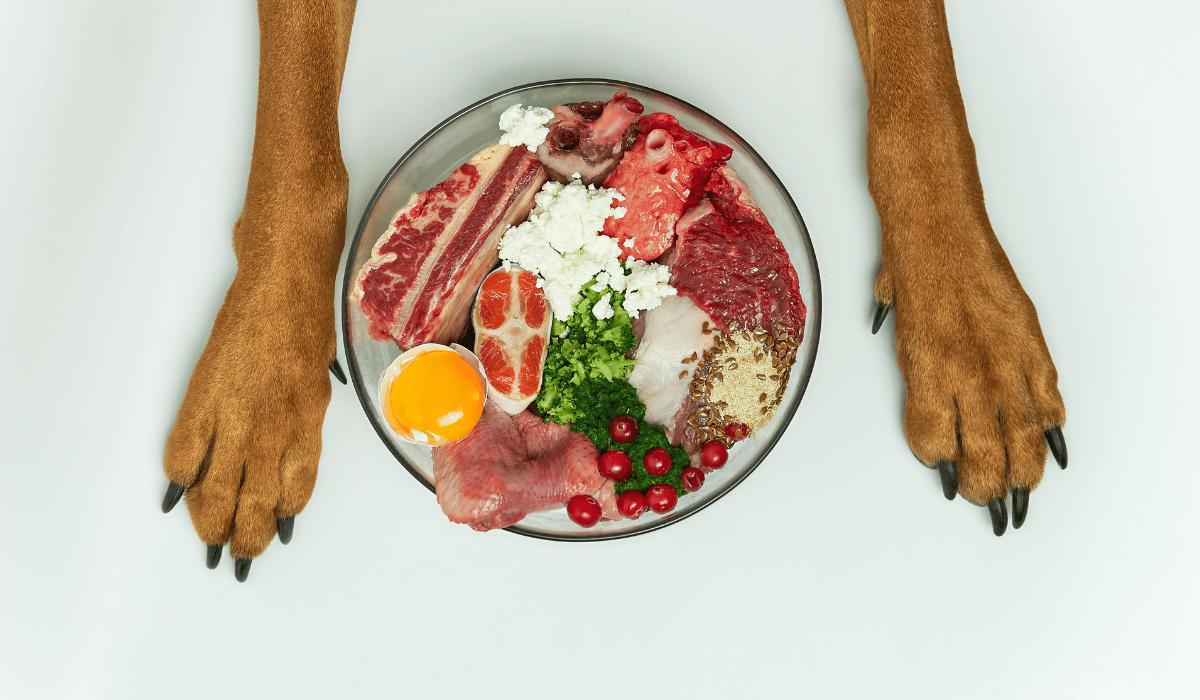
Starting a mixed raw and kibble diet can make a big difference for your dog, but even the most well-intentioned owners can run into a few hiccups along the way. Knowing what the most common pitfalls look like can make the transition much smoother and help you avoid them.
Adding Raw on Top, Instead of Adjusting Both
A classic mistake is simply adding raw food to your dog’s regular kibble portion, which leads to overfeeding. Instead, any raw you add should replace an equal share of your dog’s usual kibble calories.
Switching Overnight Without Transitioning
Changing your dog’s food abruptly can upset their stomach. It’s best to slowly shift the balance from full kibble to your chosen raw/kibble combo over a week or more so your dog’s digestive system can adapt gently.
Not Rechecking Portions When Weight Changes
Dogs’ calorie needs can vary over time. If you notice your dog gaining or losing weight, revisit your portions instead of sticking to the original plan. Adjust accordingly to keep your dog at their healthiest size.
Judging Too Soon
Don’t panic if things aren’t perfect in the first couple of days. Dogs need time for their stomach and body to get used to a new mix. Give it at least a few weeks before deciding what’s working and what might need tweaks. However, persistent digestive symptoms should not be ignored while you wait, so if these occur for longer than a few days, reach out to your vet.
A little extra attention at the start can prevent most problems down the line. Stay patient, adjust as needed, and check in with your vet if you have concerns.
Mixed feeding can be a practical long-term approach when both foods are appropriate for your dog, the total calories are calculated correctly, and changes are introduced gradually. Start with a measured ratio, monitor your dog’s body condition and digestion, and adjust the portions as their needs change.