
- Freeze-Dried vs Frozen Raw Dog Food - October 23, 2026
- Endura Flap vs. RANGER: Which Pet Door Actually Holds Up? - September 11, 2026
- Primal Dog Food Alternatives: Safety, Cost, and Convenience Compared - September 4, 2026
When I first started practicing veterinary medicine, feeding raw dog food was a lot of work. I remember one client who came in with a spiral notebook, which she used to figure out ratios of meat, liver, bone, and supplements. She had two German Shepherds and had committed to feeding them raw food, which meant she now also had a chest freezer in the basement that no longer held anything intended for humans. She was careful and determined, but she was also getting tired of wondering every day whether her calculations were right.
Raw food nutrition has changed. Commercial raw diets let owners feed raw without making dinner preparation a second job. These commercial diets often come in two formats to compare: frozen raw and freeze-dried raw.
Freeze-Dried vs Frozen Raw: Side-by-Side
| Feature | Frozen Raw | Freeze-Dried Raw |
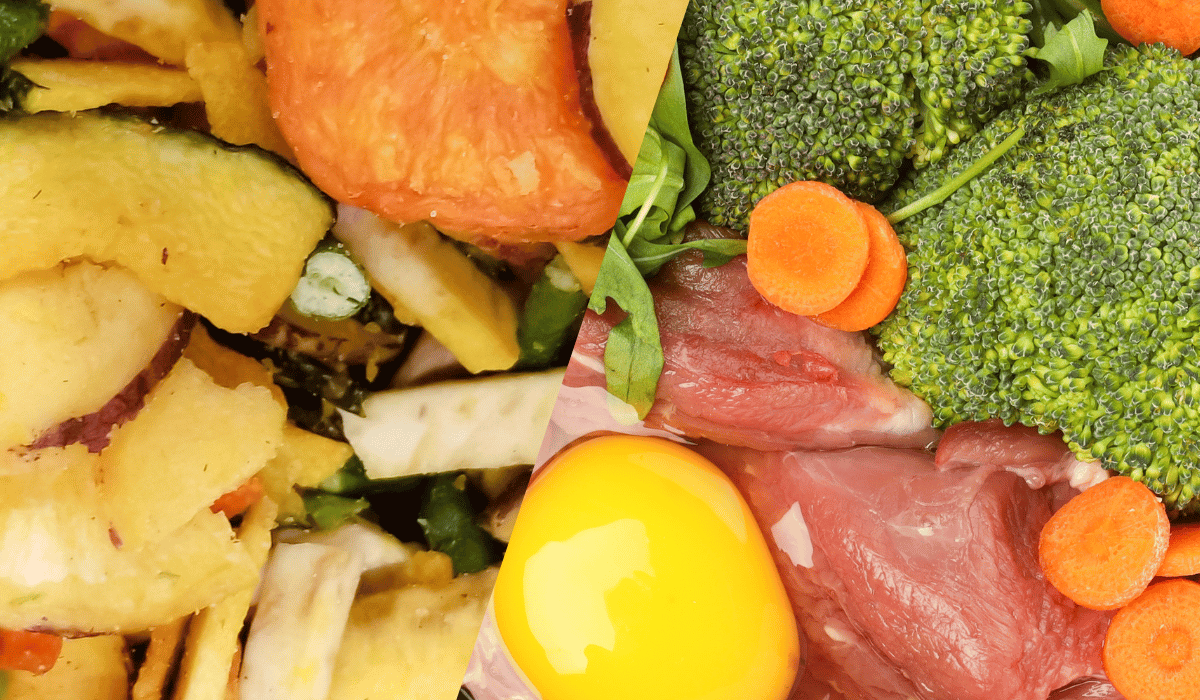
| Processing | Formed into portions and frozen; quality brands add HPP as a food-safety step | Frozen first, then water removed by vacuum sublimation (no heat) |
| Water content | Natural moisture intact (roughly 70%) | About 1 to 5% remaining |
| Nutrient retention | Essentially unchanged from the fresh recipe | Very high (about 97% overall), with small losses of heat-sensitive vitamins |
| Storage | Freezer required | Pantry shelf; airtight after opening |
| Shelf life | Months in the freezer | A year or more unopened |
| Daily prep | Thaw and portion | Scoop and (usually) rehydrate with water or bone broth |
| Cost per meal | Lower; commercial frozen raw typically runs $1,50 to $2,50 | Higher; averages around $33, often $3,50 to $5,00 |
| Travel | Needs a cooler or freezer access | Lightweight and shelf-stable; excellent for trips |
What’s Different Between the Two Formats
Well-designed raw food diets should consist of raw muscle meat, organs, and bones, with carefully selected vitamins and minerals added in many recipes to ensure the final product meets AAFCO’s standards for complete and balanced nutrition. Frozen and freeze-dried foods follow different paths after processing.
The preparation method determines how the food is stored, as well as its cost, water content, and ease of transport.
How Frozen Raw Is Made
Frozen raw is fairly simple. The mixed recipe is portioned and frozen, often in patties.
Reputable commercial manufacturers add another food-safety step first. Brands like We Feed Raw and Stella & Chewy’s, for example, use high-pressure processing, or HPP. HPP is an FDA- and USDA-recognized process also used in human food production. Cold water applies extremely high pressure to food to reduce harmful pathogens without cooking it. For pet parents who choose raw feeding, HPP also offers assurance that this added food-safety step keeps nutrients intact, since it doesn’t use heat.
HPP leaves moisture in the food, usually around 70% of its weight. Prepared patties are frozen and shipped cold to you; when needed, just thaw and serve them.
How Freeze-Dried Raw Is Made
The freeze-drying process begins by freezing the food, then it undergoes an additional step in a vacuum chamber. In this chamber, the frozen water in the food sublimes – that is, the ice turns directly into vapor without melting. Eventually, approximately 95% to 99% of the water is removed.
The food feels surprisingly light when you first hold it. Years ago, a client brought a bag of freeze-dried food to her appointment because she thought she’d received the wrong product – her puppy’s food seemed too light. I almost laughed and just advised her to add water at home. The next time I saw her, she admitted that the weight of the food made perfect sense.
Freeze-dried food is usually rehydrated before serving. Some dog parents use it dry for training or crumble it over other foods as a topping.
Some commercial food brands make both formats and don’t focus exclusively on one or the other. Stella & Chewy’s is one, with several of its frozen recipes also coming in freeze-dried formulas. Primal also makes both freeze-dried and frozen raw formulas, and Steve’s Real Food sells its raw diets in frozen patties and nuggets, as well as shelf-stable freeze-dried nuggets. We Feed Raw also now offers freeze-dried beef and chicken meals for adult dogs, though its lineup is still more centered on frozen raw.
Nutrient Retention: Does Processing Change the Food?
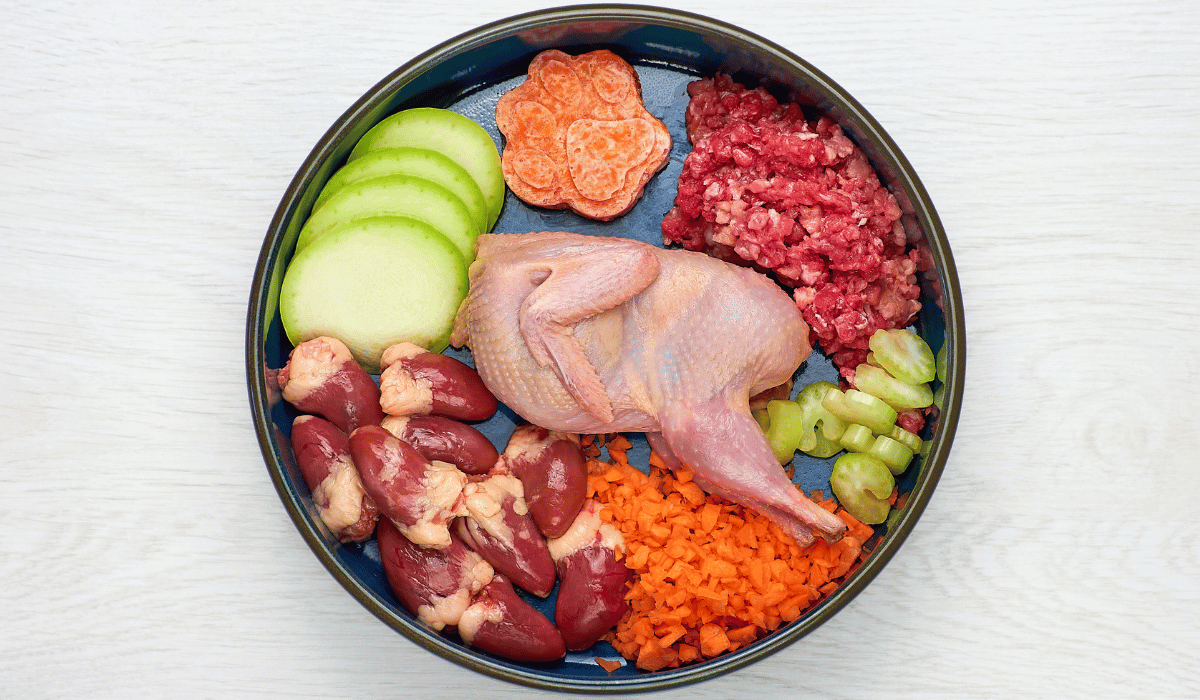
Pet parents often ask whether food processing methods cause nutrient loss. After choosing to feed pets raw, it makes sense to want to preserve the diet’s benefits. The answer is that both methods preserve nutrients well, as neither involves cooking.
What Freezing Preserves
Freezing changes little of the original recipe’s nutritional composition, and after thawing, the frozen food is very close to how it was first formulated. Because water remains in the food, it can also help hydrate pets who don’t drink enough.
This once led to some confusion for a dog parent. I had a Cocker Spaniel patient who treated his water bowl like a piece of home decor. His parent had tried new bowls, moved the water around the room, and then around to other parts of the house. Even adding ice cubes or trying a water fountain didn’t make him much more interested in drinking. However, the dog had great bloodwork and nothing concerning about his urine concentration. He didn’t drink much water because he was eating frozen raw food, and its substantial built-in moisture made up most of his daily water intake.
What Freeze-Drying Changes
Freeze-drying preserves most nutrients exceptionally well, with retention typically estimated at around 97%. Proteins remain intact, minerals like calcium, iron, and zinc are preserved at high levels, and most B vitamins retain their nutritional value.
Some compounds sensitive to oxidation or heat, such as vitamin C, may decrease slightly during freeze-drying, though these decreases are less than 10%. For dogs on a complete, nutritionally formulated diet, the practical nutritional difference between the two formats is minimal.
Cost per Pound: Why Freeze-Dried Costs More
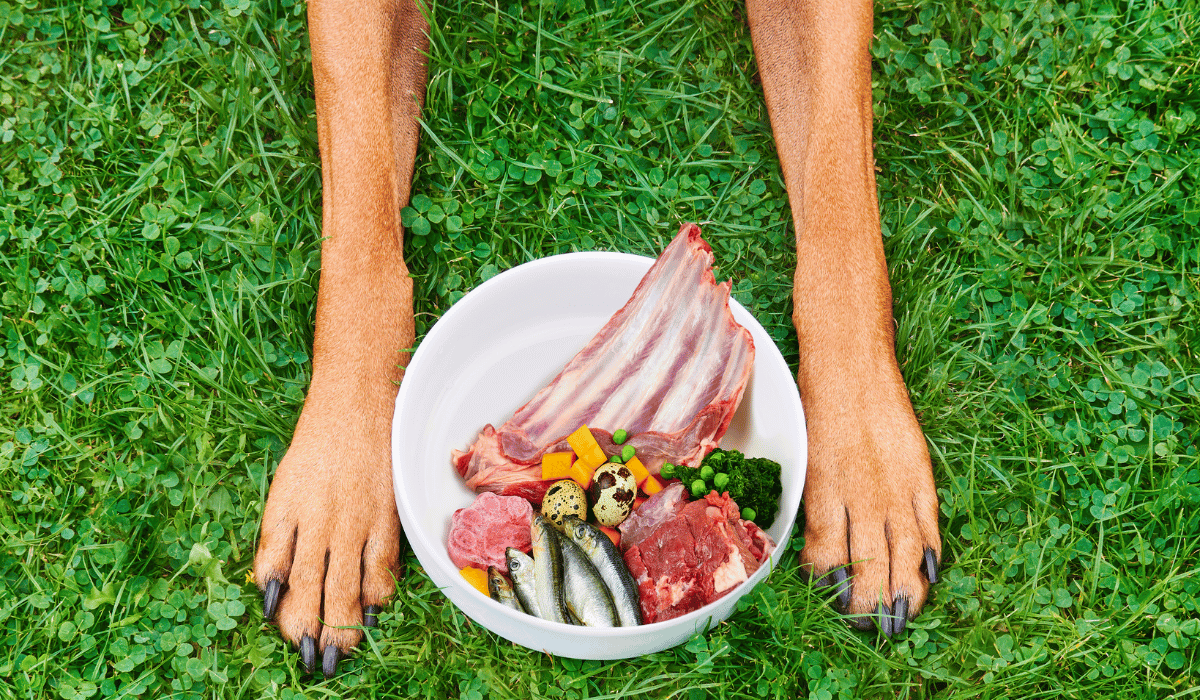
Freeze-dried raw food seems significantly more expensive than frozen food at first. Nielsen retail data puts the average price per pound around $33, while commercial frozen raw food is typically within $4 to $10 per pound.
Part of the difference comes from the equipment and time involved. Freeze-drying takes 24 to 48 hours per batch and uses specialized vacuum equipment. However, each bag also contains less water, so one pound of freeze-dried food yields a much larger quantity of fresh food once prepared than one pound of frozen raw food. Comparing the price per pound overestimates the actual cost difference.
Storage, Travel, and Daily Convenience
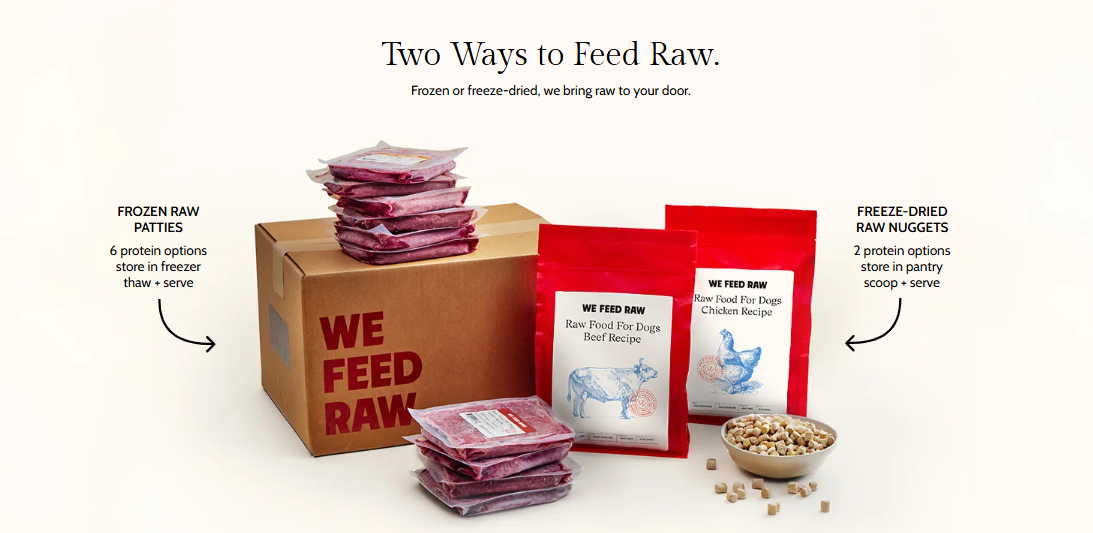
The decision between frozen and freeze-dried raw comes down to your daily needs, which vary from family to family.
Frozen food takes up more space. A dog that weighs forty pounds and eats raw food every day can go through 30 pounds or more of frozen raw per month, which requires a lot of freezer space.
You’ll also need a thawing routine to make sure you always have the next meal ready, though all you need to do is put frozen food in the refrigerator every evening. Like any daily routine, this will become automatic, but you might forget on days when things aren’t going according to your usual schedule.
Freeze-dried food, on the other hand, takes up much less space and doesn’t require electricity for storage.
When Freeze-Dried Makes Sense
Freeze-dried raw food is an ideal option for travel. You can take it along on camping trips, send it with your dog while they’re staying at a pet hotel, or keep a bag in the car for long journeys.
It’s also perfect when freezer space is limited. Families with small dogs may find the cost per pound reasonable, given the smaller overall quantity of food they’ll buy. Some pet parents also purchase it as a treat or supplement to meals. Keeping a sealed bag in the pantry is also an easy backup if a shipment gets delayed or you lose power.
It’s also unlikely that freeze-dried users will have to switch companies or diets if their supply is delayed, since brands including Stella & Chewy’s, Primal, We Feed Raw, and Steve’s Real Food all offer freeze-dried raw options.
Keeping a sealed bag in the pantry is also an easy backup for frozen raw feeders if a shipment is delayed or you lose power.
When Frozen Makes Sense
Frozen is usually an easier choice when a dog’s usual diet is based on eating raw. The economics work better for medium and large dogs. The food contains its own natural moisture, and many dogs also seem to find the texture and smell of thawed raw food very appealing. Dog owners who struggle to hide medications in cheese, peanut butter, or pill pockets often find that thawed raw food works better for this purpose.
Which Format Fits Your Household?

If someone asks me which option they should choose between during a vet visit, I start by asking what their typical week looks like.
Some of the questions I ask include: Do you travel much? Do you have freezer space? Are you planning for this to be the whole diet, or something you use occasionally? The dog’s size is also important.
Freeze-dried makes a lot of sense for small dogs, travel, training, and homes with limited freezer space. Frozen tends to work better when you feed raw every day and have larger dogs.
Different foods fit different households. Both frozen and freeze-dried options have advantages. There’s also no reason that you can’t use both, depending on your circumstances.