
- Raw Diet and Pet Dental Health - October 22, 2026
- Fresh vs. Kibble Dog Food - October 22, 2026
- Mixing Raw and Kibble Dog Food - September 8, 2026
Most dog owners at some point find themselves standing in a pet store aisle or scrolling past an ad for fresh dog food, wondering if they should be feeding their dog something better. It’s a fair question. Fresh food and kibble can both provide complete and balanced nutrition, but they’re very different in a lot of ways, including processing, cost, convenience, storage, and what feeding actually looks like day to day. Neither category is automatically good or bad; the right choice is going to depend on a lot of different factors.
Understanding how each kind of food actually differs makes deciding how to feed your dog a lot easier.
What Does “Fresh Dog Food” Mean?

That may seem like a weird thing to ask; you might assume you obviously know what “fresh dog food” means. But fresh dog food is more of an umbrella category rather than a specific type of dog food. It covers gently cooked meals, frozen cooked meals, frozen raw meals, and refrigerated options you’ll find in the grocery store cooler. What they have in common is more recognizable whole-food ingredients and less intensive processing than traditional dry kibble.
Within the category, the main split is between cooked and raw. Companies like The Farmer’s Dog, Ollie, Nom Nom, and JustFoodForDogs make cooked fresh food; the meals are lightly cooked, then refrigerated or frozen.
We Feed Raw is also fresh, but it’s a little different because it’s raw. A lot of people think there’s a huge distinction between raw and fresh, but that’s not really the case. Both are built on whole-food ingredients that are kept refrigerated or frozen; the difference is simply that raw meals skip the cooking step. Instead of heat, raw brands typically rely on safety treatments like high-pressure processing (HPP) to control pathogens. In other words, raw food is a type of fresh food, not a separate category.
Kibble vs. Fresh: The Biggest Differences
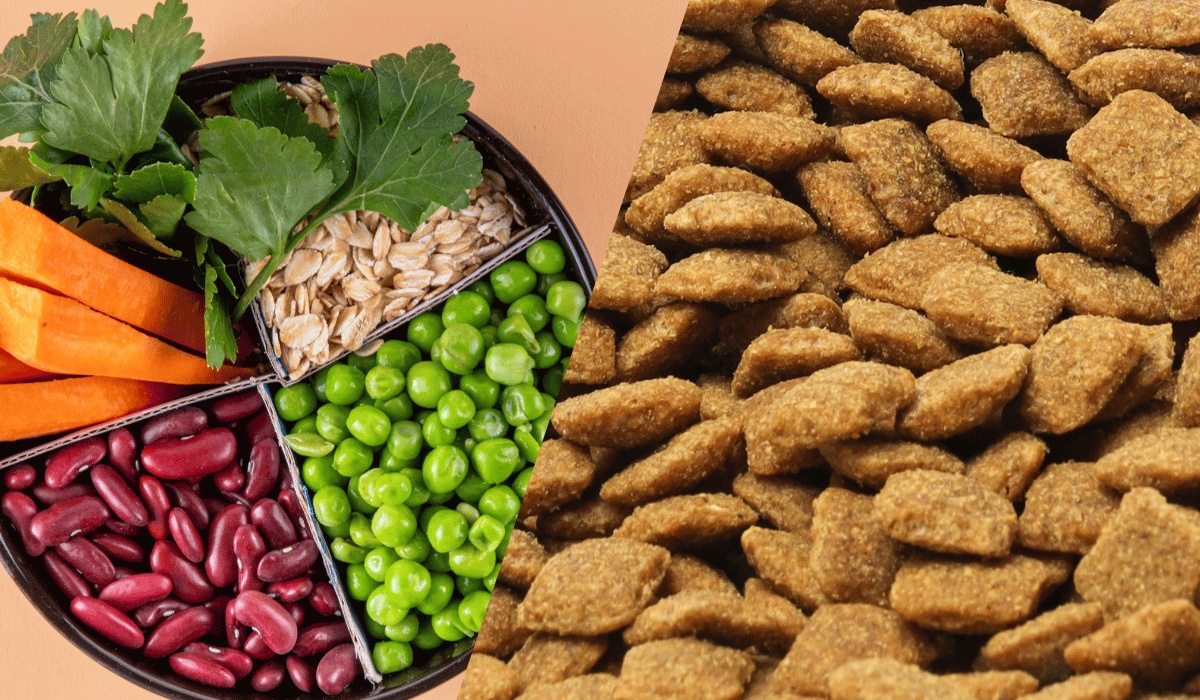
One of the easiest ways to understand both types of food is to learn the primary differences between kibble and fresh.
How Kibble Is Processed
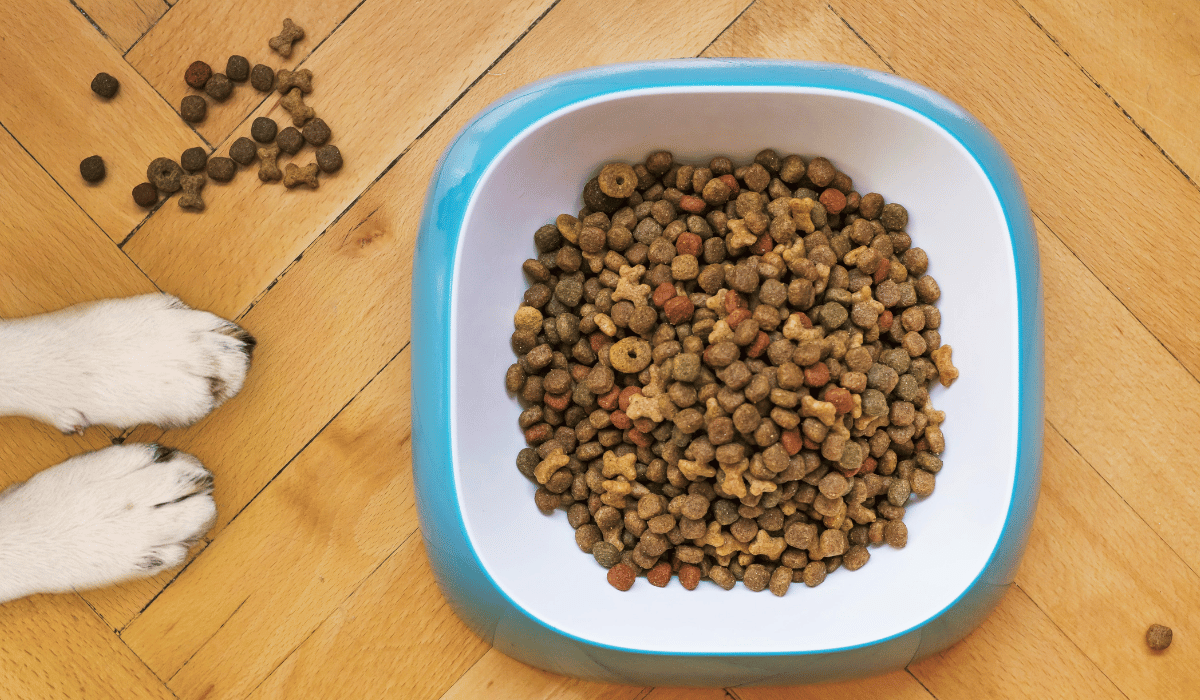
Traditional kibble is typically produced through extrusion, a process that combines and cooks ingredients under high heat and pressure before shaping and drying the food. Rest assured that processing doesn’t automatically make kibble unhealthy; it just makes it a different product. The moisture is removed so the food ends up dry and shelf stable.
How Fresh Food Is Processed
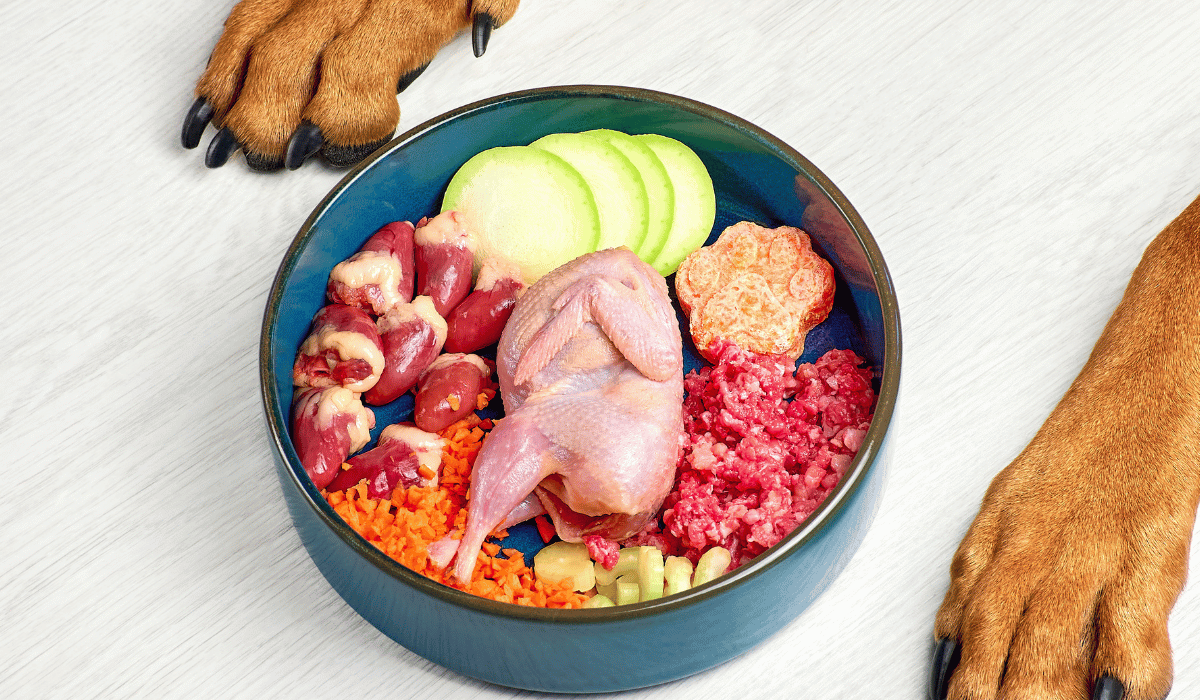
Fresh food generally goes through much less intensive processing. Cooked-fresh brands use gentler heat than traditional kibble production, closer to how you’d cook food in your own kitchen. Raw fresh food isn’t heat-cooked at all. We Feed Raw, for example, uses HPP, which applies high pressure instead of heat to reduce or inactivate potentially harmful pathogens without heat-cooking the food.
Ingredient Quality
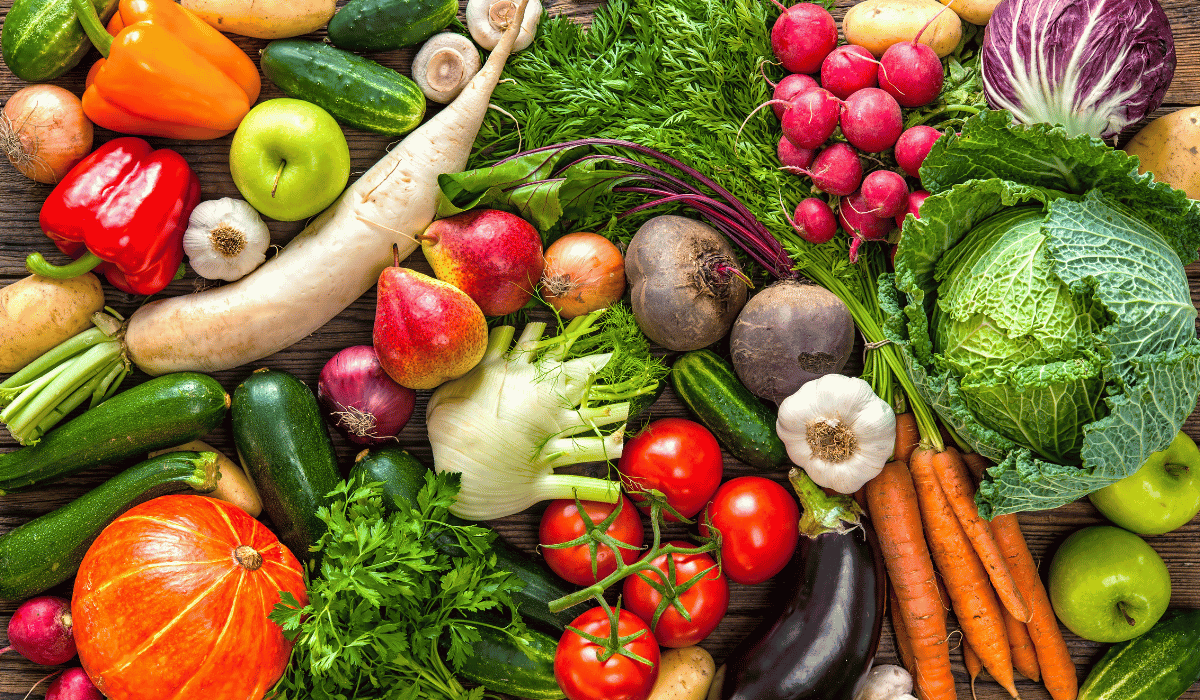
Fresh brands often emphasize recognizable meat and whole-food ingredients, which is one of the main draws for pet owners comparing them to traditional kibble. Many fresh recipes skip the fillers, artificial preservatives, and carb-heavy binding ingredients that are commonly associated with dry food and focus heavily on meat. Kibble typically needs a certain amount of starch because of how it’s made; starch gives kibble its structure during the extrusion process.
That said, this is just a generalization. Ingredient quality varies within both categories. Some kibble brands use high-quality animal proteins and carefully formulated recipes, while some fresh food recipes include ingredients you might not expect based on how it’s marketed.
The category a food belongs to won’t tell you automatically which one is better, so you need to make sure you read the ingredients before you decide on anything.
Nutrition

Whether a food is nutritionally adequate matters more than whether it comes frozen or in a bag. What owners should actually look for is food that’s complete and balanced for their dog’s life stage, and both fresh food and kibble can meet Association of American Feed Control Officials (AAFCO) standards. Plenty of dogs thrive on kibble, and a poorly formulated fresh diet is worse than a well-formulated dry one.
Dogs don’t have a specific dietary requirement for carbohydrates, although they can digest and use them as an energy source. That doesn’t make carbs harmful, but it means that a food’s carbohydrate content is sometimes determined by factors other than what your dog actually needs nutritionally. When comparing foods, make note of how much of the recipe is built on carb-heavy ingredients versus quality protein.
Because kibble contains so little water, it is also generally more calorie-dense by weight than higher-moisture foods. That means a relatively small portion can contain a lot of calories, which can make it easier to overfeed if portions aren’t measured carefully. On the flip side, though, this means kibble is an efficient way to feed large, active, or high-energy dogs.
The higher moisture content in fresh food contributes to a dog’s overall hydration, which can reduce how much water they need to drink separately. Kibble contains very little moisture by comparison, so dogs eating dry food must rely much more heavily on drinking water to meet their daily hydration needs.
Digestion and Stool Quality
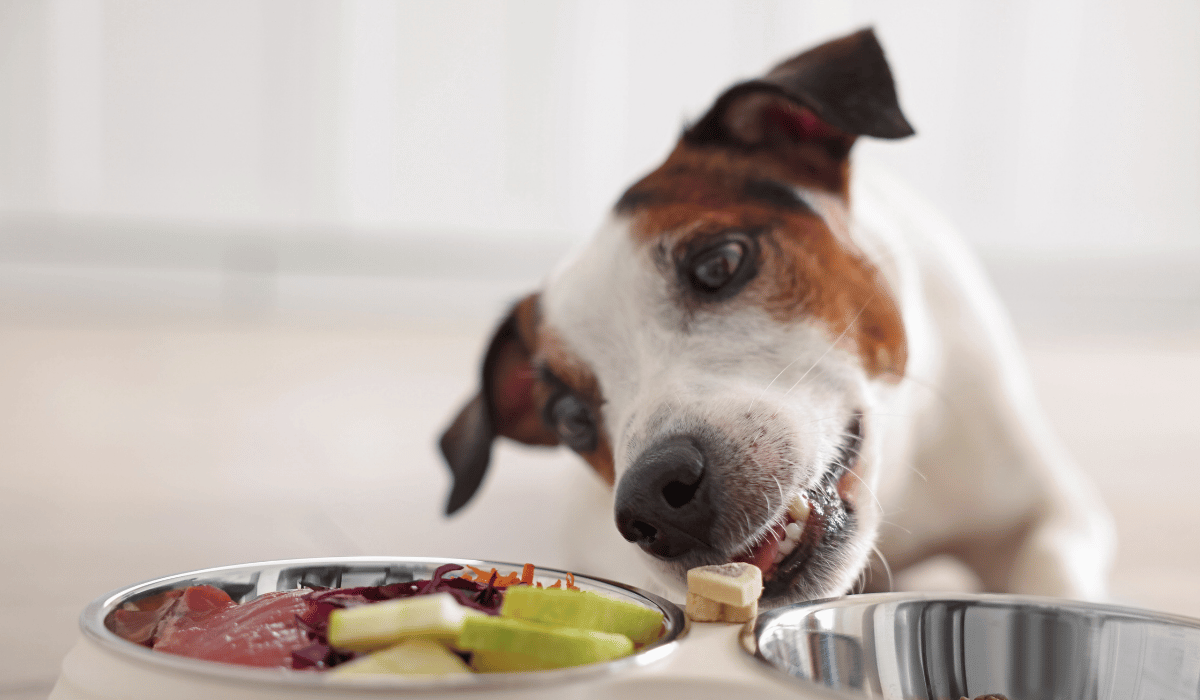
Digestion is one of the most common reasons owners consider switching to fresh food in the first place. Anecdotally, some owners report their dog having smaller stools, firmer stools, less gas, and generally easier digestion after moving to a fresh diet.
But there are a lot of factors when it comes to dog digestion, and it’s about more than just fresh versus kibble. Usually the fat content, the fiber, individual food sensitivities, and the dog’s own gut health play a big role.
That’s why a dog that struggles on one kibble may do perfectly well on a different kibble, and a dog that struggles on one fresh food may need a different fresh formulation. Any diet change should generally happen gradually to give your dog’s stomach time to adjust. And if digestive problems persist on any food, it’s always a good idea to have a conversation with your vet.
Skin and Coat
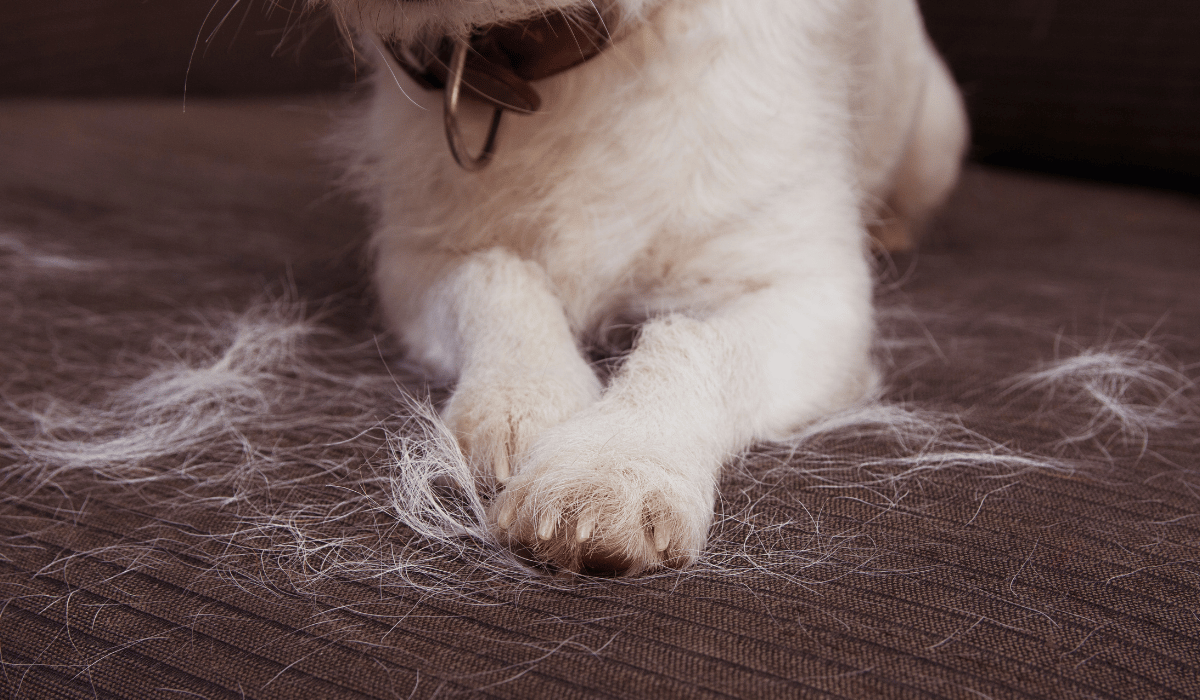
When it comes to nutrition and skin and coat health, adequate protein, essential fatty acids, and overall diet quality are some of the most important factors. Many owners who switch their dogs to fresh food report improvements like a shinier coat and less itching.
Fresh food may deliver those nutrients through formulations that mostly rely on meat ingredients, which is likely where the reported improvements come from, but a well-formulated kibble may provide the same nutrients, and results vary from dog to dog.
As with digestion, these should be viewed as individual experiences rather than promised outcomes.
If your dog has ongoing or serious skin issues, the best thing you can do is speak with your vet. They may agree that switching food, and even switching food categories, may be best, but it’s something you should get professional help with.
Cost
For a lot of owners, this is the deciding factor.
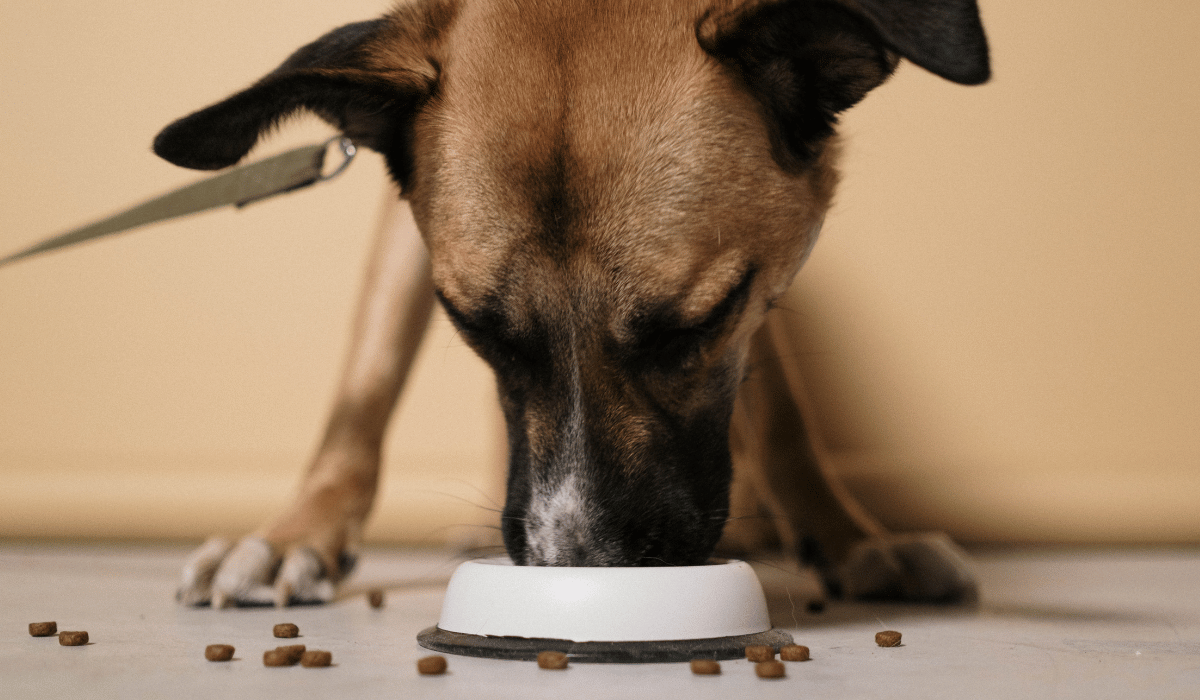
Kibble is usually substantially cheaper. A large bag can feed a dog for weeks, and the cost per meal is hard for any other category to touch. It’s particularly cost-effective for large dogs, multiple-dog households, and owners on a tighter budget. This is a legitimate advantage that needs to be considered. For some, kibble is really the only way they can afford to have their pets, and a well-formulated kibble is a perfectly good way to feed a dog.
Fresh food typically costs more. Fresh meat is more expensive than the ingredients in kibble, and keeping food frozen or refrigerated through processing and shipping adds expense on top of that.
The size of your dog makes a huge difference as well. Feeding a 10-pound dog fresh food may be entirely manageable, while feeding a 90-pound dog entirely fresh can be a major monthly expense. The most useful way to compare is cost per day, not cost per package—just looking at the cost of one type of food can end up being very misleading. For example, a $60 bag of kibble might feed your dog for weeks, while $60 worth of fresh food might feed them for days.
To get a better idea of what each type of food actually costs, try to calculate how many days each type will last and then divide the price by that number. There’s your daily cost! Once you see both options side by side, you can make a better comparison and decide which fits best into your budget.
Convenience and Meal Prep
Cost is only half the practical picture. The other half is what the feeding process actually looks like every day.
This is generally another one of the main advantages of feeding your dog kibble. You open the bag, scoop, and serve. There’s no thawing, no meal planning, and nothing to remember in advance. Kibble is easy to take on trips, for pet sitters to use when you’re gone, and to purchase if you take your dog somewhere and realize you didn’t bring enough food.
Kibble also has the advantage when it comes to storage and shelf life. It can usually sit in a pantry for weeks or months, while fresh food takes up fridge/freezer space and has to be thawed and used within a shorter window once opened or defrosted.
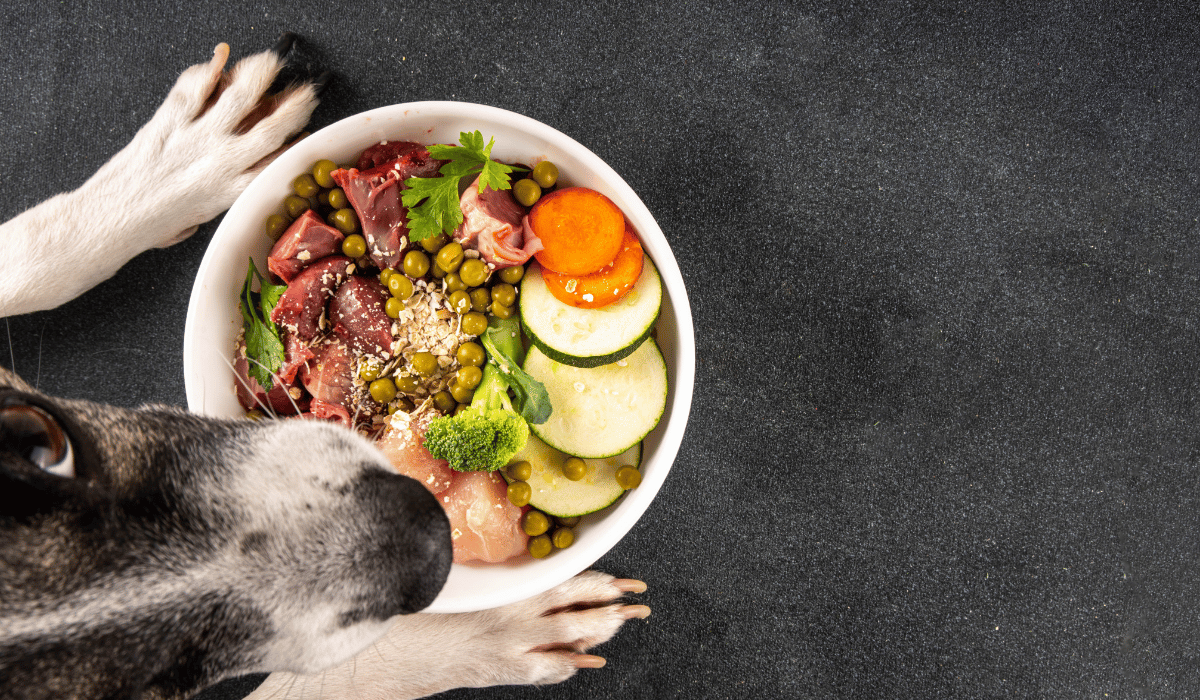
The fresh food available today is far easier than making your dog’s meals yourself, but it’s still more time- and labor-intensive than kibble in most cases. Frozen food has to be stored properly, thawed, and portioned, which means there’s always going to be some level of planning involved. These options aren’t as simple as just putting a bag of kibble in your closet and feeding your dog each day.
Some fresh and raw dog food companies have started to try to make things more convenient, though. We Feed Raw, for example, sells its meals in two formats: frozen patties that you thaw and portion and freeze-dried nuggets that are shelf stable and can be scooped and served like kibble. (Note: The nuggets are complete meals on their own, not toppers.)
Food Safety and Handling
Kibble and cooked fresh food both use heat as the primary way to control safety in their food, which addresses bacteria like salmonella and listeria. For kibble, the high-heat extrusion process combined with the removal of moisture makes the finished product shelf stable and makes it hard for bacteria to survive.
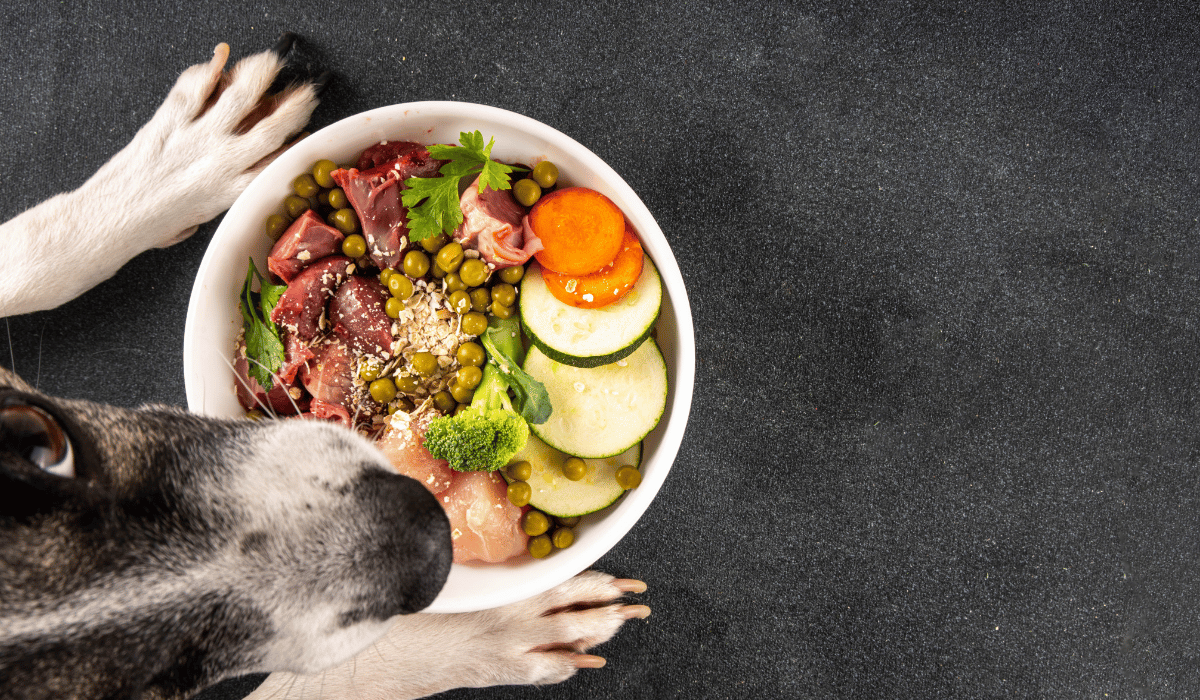
Commercial fresh raw food is substantially different from DIY raw feeding and has safety precautions that home preparation does not. Some companies use HPP, described earlier, and combine that with commercial food-safety measures and testing protocols, like batch testing for pathogens, sourcing meat from USDA-inspected suppliers, strict cold-chain controls from processing through delivery, and formal food-safety plans with sanitation and recordkeeping requirements.
That said, you still need to handle and store raw foods carefully. Store the food frozen until you’re ready to use it, follow the thawing instructions, wash your dog’s dish regularly, and clean the surfaces on which you prepare the food.
Fresh vs. Kibble: Which Is Better?
There’s no universally correct answer here, which is why the best thing you can do is look at your personal lifestyle as well as the food itself. Both types of food can be safe, healthy, and nutritionally complete if you’re careful about what you choose.
| Lifestyle Scenario | Fresh Food | Kibble |
| Your main priority is your budget. | ? | |
| You want minimally processed, meat-forward food. | ? | |
| You have a large dog or a multi-dog household. | ? | |
| You have freezer or fridge space to spare. | ? | |
| You travel or use sitters and boarding often. | ? | |
| You don’t mind thawing and planning meals ahead. | ? | |
| You want the easiest feeding routine possible. | ? | |
| You like home delivery and subscription feeding. | ? | |
| You want to stock up for weeks at a time. | ? | |
| The higher cost realistically fits your budget. | ? |
If more of your checkmarks landed in one column than the other, you might have your answer.
Choose What’s Right for You and Your Dog
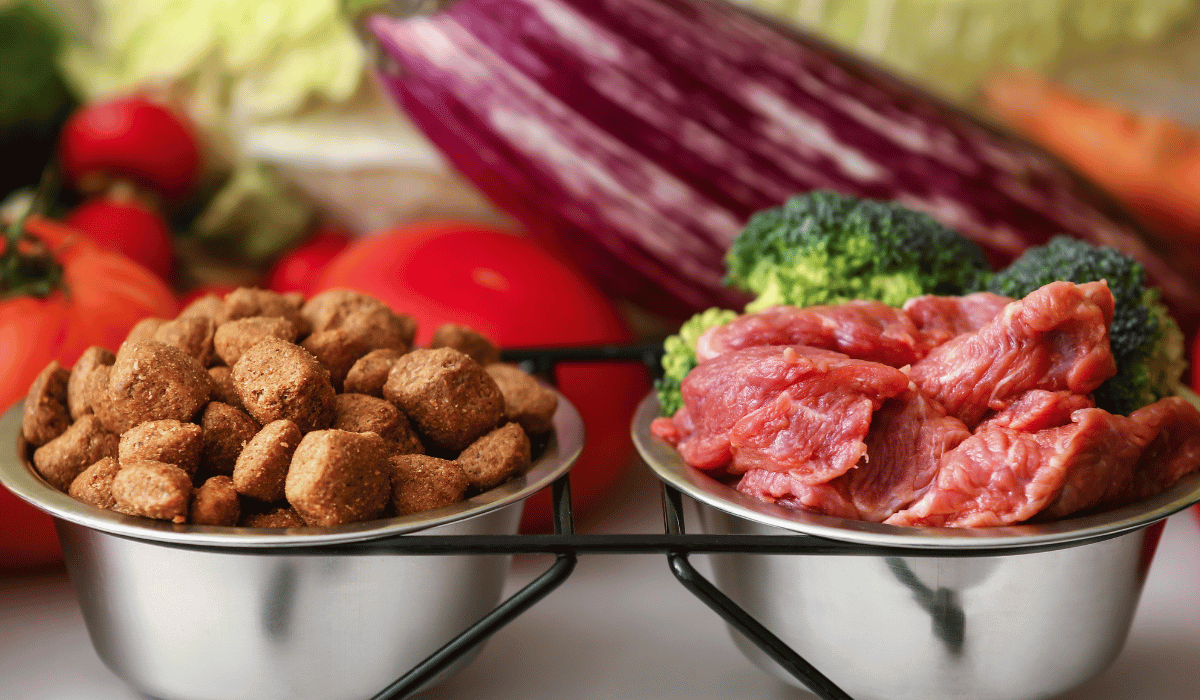
At the end of the day, both fresh food and kibble can keep a dog healthy, and the right food depends on your dog, budget, storage space, and daily routine. A nutritionally complete kibble that you can afford and feed consistently is better than a fresh plan that is financially difficult or inconvenient for you. Fresh food may be worth the extra cost and effort for owners who prioritize minimally processed, meat-forward meals and can make the day-to-day logistics easily fit into their lives.
You also don’t have to pick a side completely! Some owners feed a combination of both. But whatever you choose, look for food that’s complete and balanced for your dog’s life stage, make any switch gradually, and talk to your vet if your dog has health issues that their diet might affect.